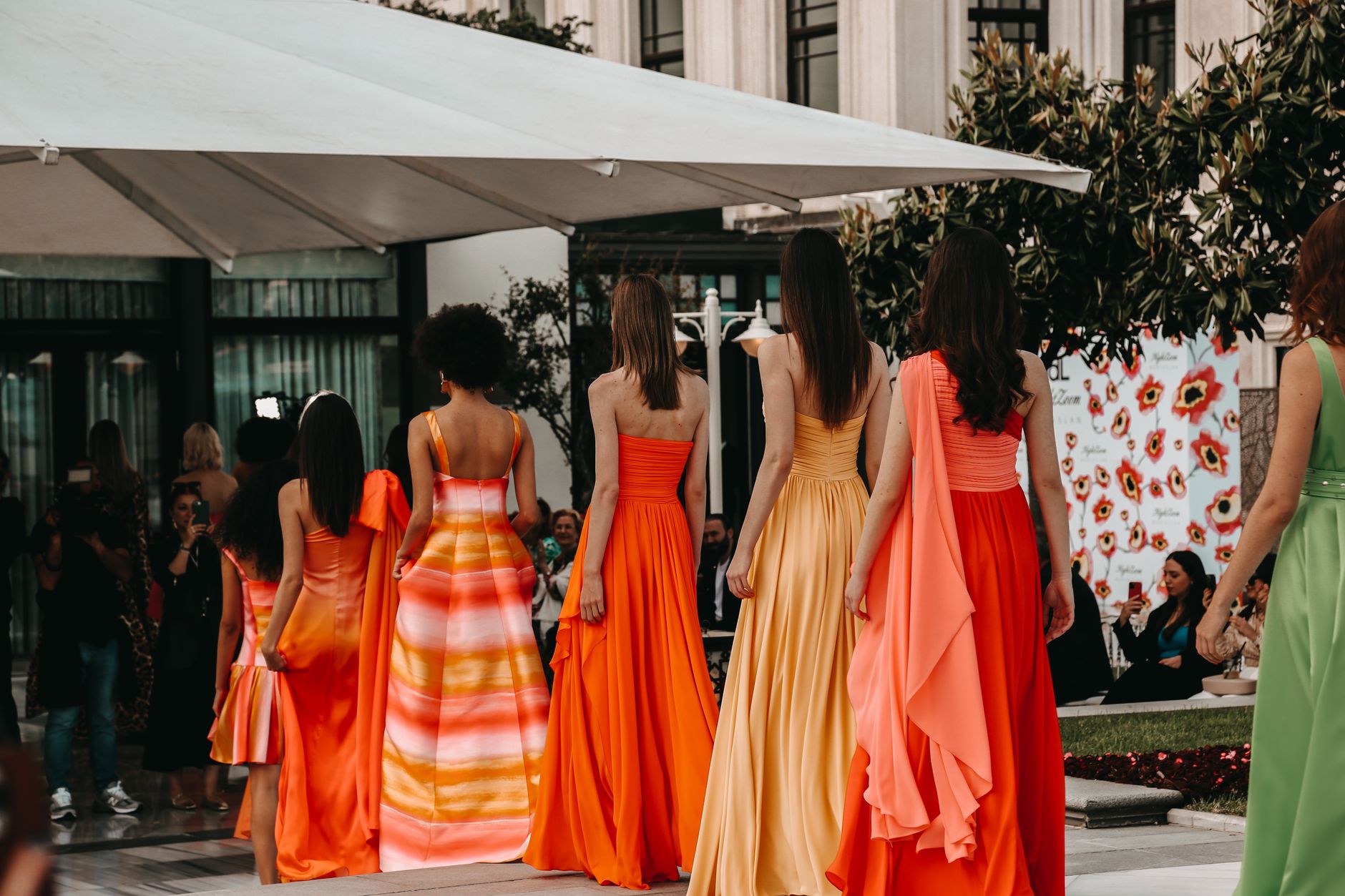
Ballet Core Luxury Fashion Grows Up
How dancewear's technical precision and theatrical grace became the blueprint for a new wave of designer collaborations and luxury sportswear.
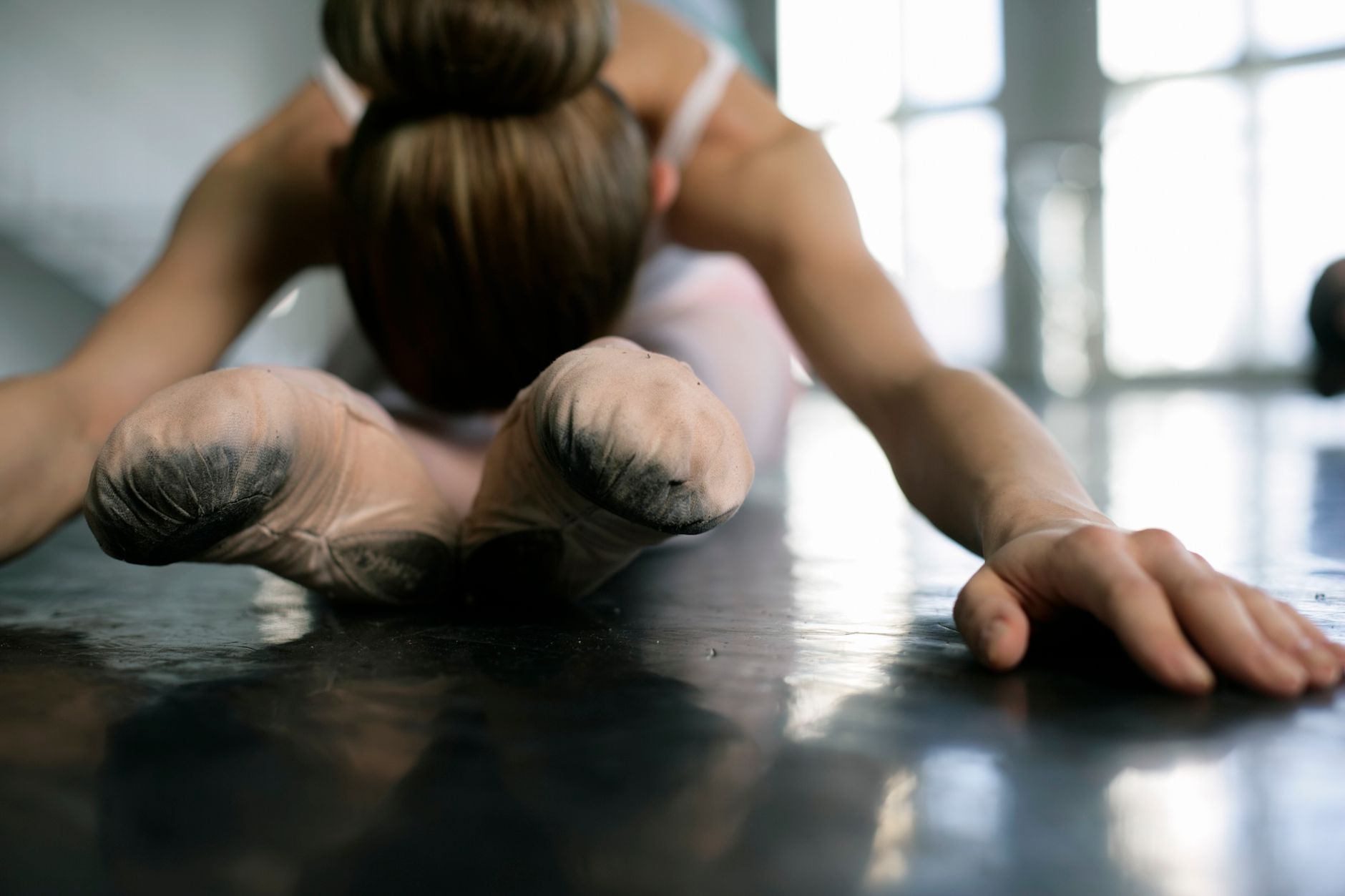
Repetto just opened a flagship in SoHo, and the queue wasn't dancers stocking up on pointe shoes.
From Pinterest Aesthetic to Serious Design Language
What began as balletcore—a social media shorthand for wrap cardigans and satin ribbons—has matured into something more substantive. Ballet core luxury fashion now refers to a genuine design conversation between heritage dancewear houses and luxury brands, rooted in craft rather than costume. The difference matters. Where balletcore borrowed surface-level signifiers (tulle, pink, bows), today's collaborations extract dancewear's actual innovations: articulated seaming for movement, moisture-wicking knits that drape like silk, compression techniques refined over a century of rehearsal rooms.
Consider Lululemon's partnership with the Paris Opera Ballet, launched in 2023. Rather than simply slapping a logo on leotards, the collaboration reverse-engineered the Opera's atelier patterns—those high-cut legs that elongate the line, strategic mesh panels for ventilation during grand allegro—and translated them into streetwear silhouettes. The resulting bodysuits and wrap tops function as both studio gear and evening layers, a crossover that feels earned rather than forced.
The Technical Heritage Luxury Craves
Dancewear brands bring something luxury houses can't easily replicate: decades of solving problems most designers never consider. How do you construct a garment that withstands eight shows a week, moves through a 180-degree leg extension, and still looks crisp under stage lights?
This expertise explains why Alaïa references Freed of London pointe shoe construction in its recent footwear—that balance of rigidity and flex, the way satin wraps and molds. Or why The Row has quietly studied Bloch's approach to bias-cut jersey, which never rides up or twists during movement. These aren't collaborations announced with press releases, but design DNA absorbed and refined.
The appeal for luxury consumers is twofold:
- Functional elegance: Clothes that accommodate real bodies in motion, not just static poses
- Insider knowledge: The satisfaction of wearing something with genuine technical provenance
- Versatility: Pieces that transition from reformer class to dinner without costume-y theatrics
- Craft narrative: A design story beyond seasonal trends
Who's Doing It Well
The strongest examples of ballet core luxury fashion avoid literal translation. Totême's wrap-front knits and ballet-inspired necklines work because they're abstracted—the memory of dancewear rather than its replica. Same with Khaite's body-conscious knits that echo leotard construction without the high cut or snaps.
Adidas by Stella McCartney has been in this space longer than most, with collections that borrow from both ballet and contemporary dance. The brand's seamless bodysuits and footless tights aren't costumes; they're engineered garments that happen to share a silhouette with what you'd see at Pina Bausch's Tanztheater.
Meanwhile, heritage dancewear brands are moving upmarket themselves. Capezio now offers cashmere wrap sweaters at price points that rival contemporary labels. Repetto has expanded beyond its iconic Cendrillon flats into leather goods and ready-to-wear, positioning itself as a lifestyle brand with ballet roots rather than a dance supplier dabbling in fashion.
The Wardrobe Integration
What makes this iteration of ballet-inspired fashion sustainable—in the longevity sense—is its lack of gimmick. A well-cut wrap cardigan in merino works with tailored trousers and loafers just as easily as it does with leggings. A bodysuit with a ballet neckline becomes a layering essential rather than a statement piece.
The smartest adopters treat these pieces as foundational: the kind of clothes you reach for because they solve problems (no bunching, no gaping, moves with you) rather than because they signal membership in a microtrend. That's the shift from balletcore to ballet core luxury fashion—from aesthetic to ethos, from dress-up to design integrity.
This approach also sidesteps the appropriation concerns that sometimes shadow sportswear collaborations. When luxury brands partner with actual dance institutions or heritage makers, there's a transfer of knowledge rather than extraction of imagery. The clothes that result carry technical legitimacy.
The next wave is already visible: watch for more luxury activewear brands consulting with choreographers and movement directors, not just athletes. After all, dancers have been solving the riddle of how clothes should move for far longer than any sneaker technologist.