Barbiecore Beyond Pink: How Hyper-Femininity Became a Luxury Movement
The post-Barbie film wave didn't fade with the press tour. Instead, it evolved into something more interesting: a full-throated embrace of unapologetic femininity at fashion's highest tier.
Greta Gerwig's Barbie film arrived with a hot pink splash heard round the world, but what followed wasn't just a merchandising moment. It was permission.
The Evolution From Costume to Conviction
What began as press tour dressing has crystallised into something with more staying power. Hyper-feminine luxury fashion is no longer a tongue-in-cheek reference or an ironic wink. It's a fully realised aesthetic language spoken fluently by houses that once wouldn't have touched a bow with a barge pole.
Valentino's recent collections offer the clearest proof. Creative Director Pierpaolo Piccioli has been layering tulle, amplifying volume, and championing a kind of romantic femininity that feels both historical and radically current. The house's PP Pink isn't Barbie pink, but the cultural conversation around both colours shares DNA: femininity as statement, not apology.
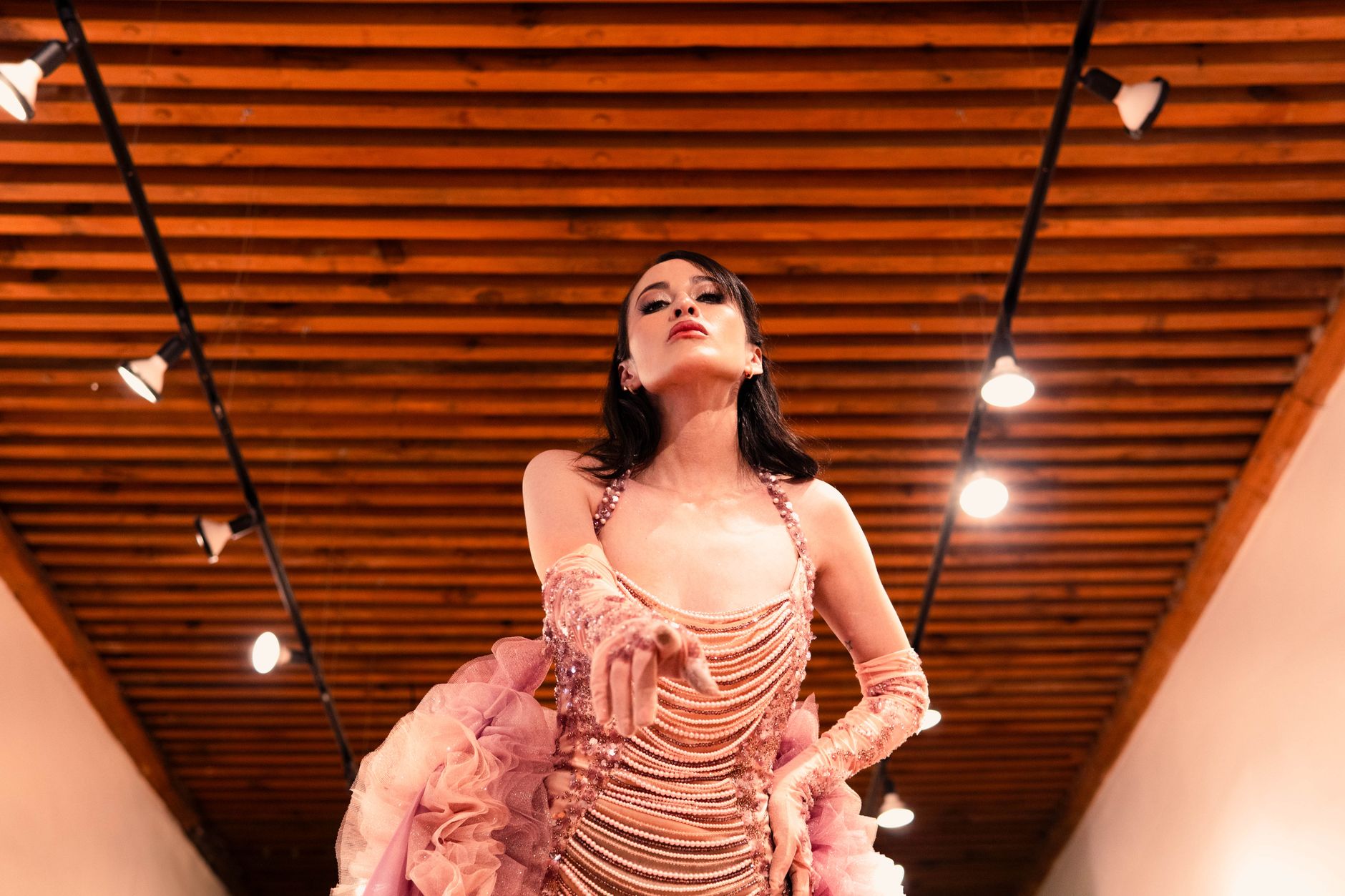
Meanwhile, Simone Rocha has spent years building a vocabulary of exaggerated collars, pearl embellishments, and sculptural silhouettes that read as powerfully feminine without ever feeling diminutive. Her work proves that hyper-feminine luxury fashion doesn't require pastels or prettiness. It requires conviction.
The Codes of Contemporary Femininity
This movement speaks in specific dialects. Understanding them means knowing what you're actually buying into:
- Bows as architecture: Not ribbon accents but structural elements, oversized and engineered. See Miu Miu's autumn/winter collections for the blueprint.
- Volume with purpose: Tulle, organza, and crinoline used to create space and presence, not to soften or sweeten.
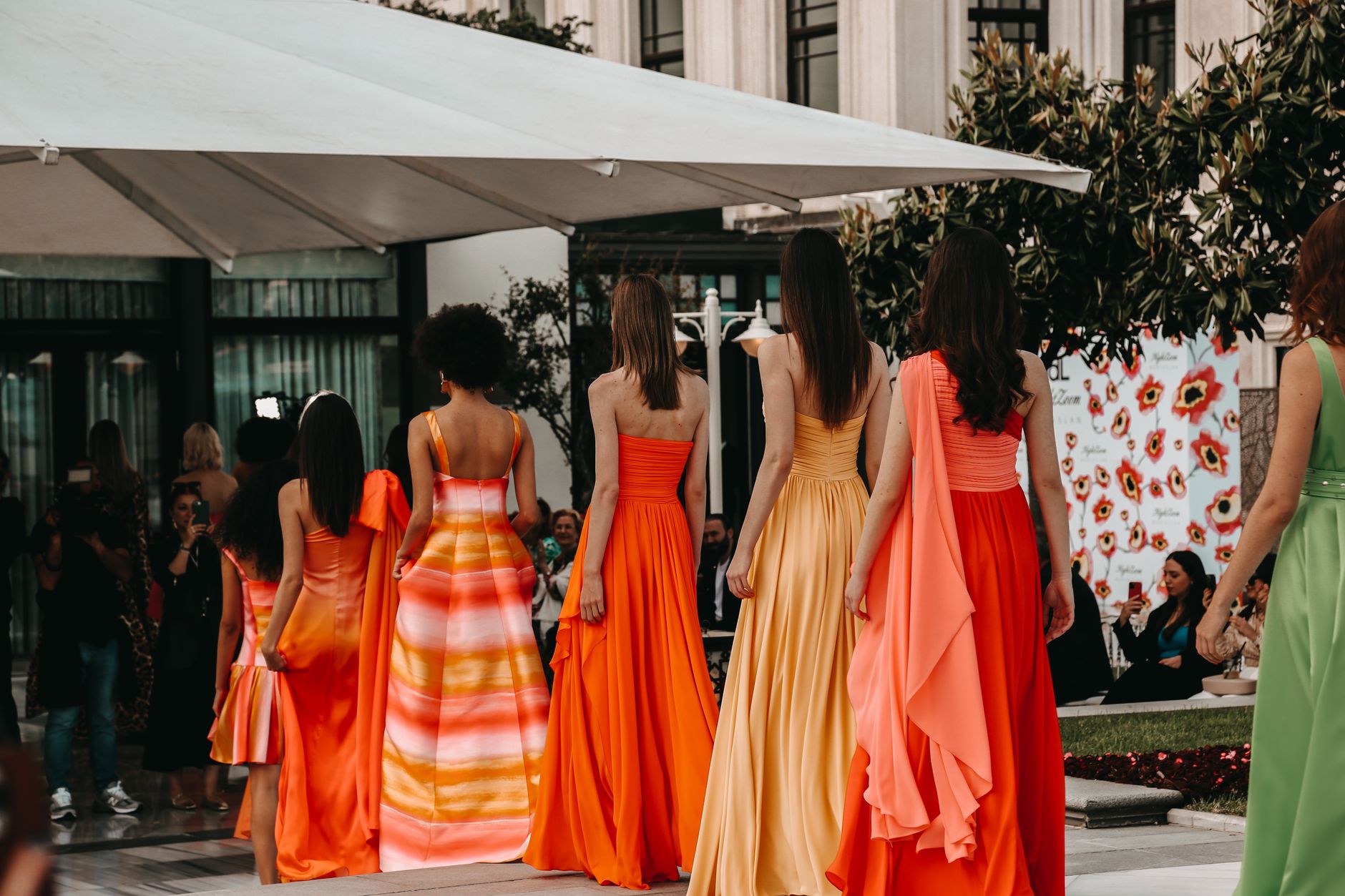
- Colour as courage: Hot pink, yes, but also acid yellow, electric blue, and shades that demand attention rather than blend.
- Embellishment as armour: Pearls, crystals, and feathers deployed with the same strategic intent as sharp tailoring.
- Girlhood reimagined: References to youth and innocence filtered through an adult lens that's knowing, not naive.
The difference between this and previous waves of feminine fashion? Hyper-feminine luxury fashion in 2024 doesn't ask for approval. It doesn't soften itself for the male gaze or apologise for taking up space.
Beauty Follows Suit
The beauty industry has read the assignment. Pat McGrath Labs' chromatic eyeshadow palettes and high-shine finishes offer maximalist femininity that photographs as confidently as it wears. Glossier's evolution from "no-makeup makeup" toward bolder colour stories reflects the same shift: femininity is no longer synonymous with understatement.
Fragrance houses have responded too. Maison Francis Kurkdjian's recent launches lean into florals without apology, while Byredo's exploration of sweeter, more overtly pretty compositions marks a departure from the brand's earlier austere minimalism. The message is consistent across categories: feminine doesn't mean weak, and pretty doesn't mean simple.
Nail art has become particularly expressive within this movement. The return of French manicures, but elongated, coloured, and embellished, speaks to the same impulse. Brands like Chanel and Dior now release limited-edition shades that would have felt too playful, too pink, too much just five years ago.
What This Means for How We Dress Now
The practical application matters more than the theory. Hyper-feminine luxury fashion functions best when it's not treated as costume. A Molly Goddard tulle dress works under a Lemaire trench. Simone Rocha's pearl-encrusted accessories ground a simple knit and denim. The Miu Miu ballet flat, perhaps the movement's most commercial success story, proves that hyper-femininity scales.
This isn't about dressing like Barbie. It's about claiming the full spectrum of feminine expression without irony or defence. It's about recognising that femininity, especially the kind that's been historically dismissed as frivolous or superficial, can be radical when chosen deliberately.
The Barbie film created cultural space, but the fashion industry's response has been more sophisticated than simply painting everything pink. Instead, designers and brands have asked more interesting questions: What does femininity look like when it's not performing for anyone? What happens when pretty becomes powerful?
The answers are still being written, one bow, one pearl, one unapologetic pink coat at a time.