Bespoke vs. Made-to-Measure: What Your Budget Actually Gets You
The terminology gets thrown around liberally, but the differences between true bespoke and made-to-measure tailoring are substantial—and so are the price tags.
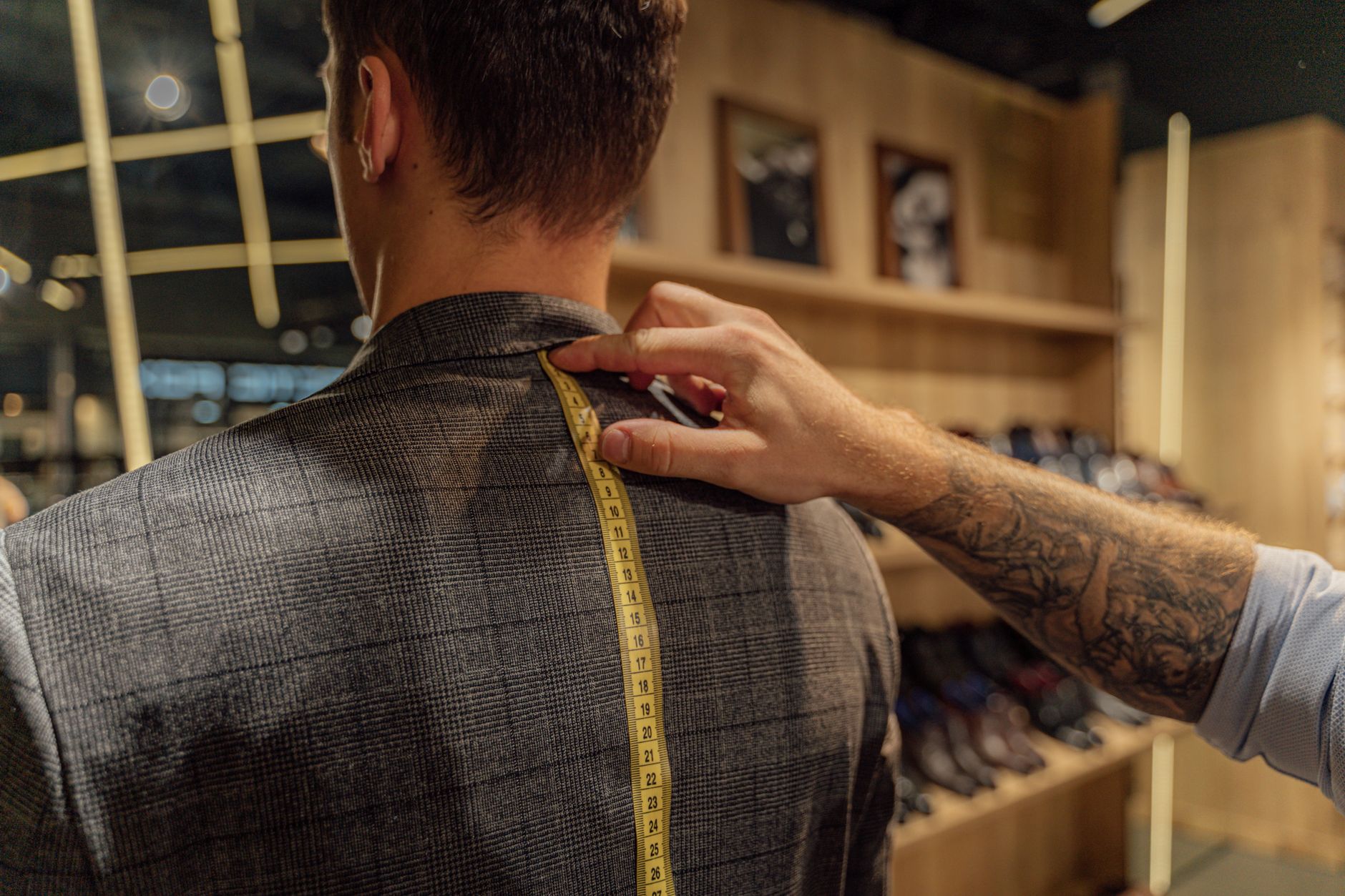
You'll hear both terms on Savile Row and in your local suiting shop, often used interchangeably by people who should know better.
What Bespoke Actually Means
True bespoke tailoring starts with a blank canvas. Your tailor drafts a unique paper pattern based on your measurements and posture, cuts cloth specifically for you, and constructs the garment through multiple fittings—typically three at minimum. Everything from shoulder pitch to button stance is built around your body and preferences.
At houses like Huntsman or Anderson & Sheppard, this process involves at least 50 hours of hand-work per suit. The coat maker and trouser maker are often different specialists. You're not selecting from predetermined options; you're collaborating on silhouette, pocket angles, lining weight, even how much ease you want through the chest when you're driving.
The bespoke vs made-to-measure distinction becomes clearest here: bespoke creates a permanent pattern stored under your name. Return five years later, and they'll have your blueprint (though bodies change, so expect fresh measuring). Expect to invest £5,000 to £15,000+ for a two-piece suit on Savile Row, with prices climbing at Italian ateliers and Parisian maisons. New York's Cifonelli charges accordingly for their legendary shoulder construction.
Made-to-Measure: The Middle Ground
Made-to-measure starts with an existing pattern in your approximate size, then adjusts it. You'll choose fabric, lapel width, pocket style, and lining from a curated selection. Some services offer 200+ customization points; others stick to basics.
The construction happens at a central facility, not in the shop where you were measured. Quality varies enormously. Ring Jacket's made-to-measure program in Japan maintains exacting standards with substantial hand-finishing. Many contemporary brands outsource to the same handful of Italian factories, where construction quality is professional but not individualized.
You'll typically have one fitting, sometimes none if you're ordering remotely. Adjustments happen within the parameters of that base pattern. If you have a significant drop between chest and waist, pronounced posture, or asymmetrical shoulders, made-to-measure can accommodate to a point—but it's modification, not creation.
Pricing generally runs £800 to £3,000 for a suit, positioning it between ready-to-wear and bespoke. The turnaround is faster: four to eight weeks versus three to six months.
When Each Makes Sense
The bespoke vs made-to-measure decision isn't purely financial. Consider:
- Body type: Standard proportions suit made-to-measure beautifully. Significant asymmetry, posture considerations, or athletic builds with dramatic taper benefit from bespoke's flexibility
- Wardrobe role: Your wedding suit or signature work uniform justifies different investment than holiday-party tailoring
- Fabric access: Bespoke opens the full cloth library. Made-to-measure typically offers seasonal bunches, which can still mean hundreds of options
- Relationship building: Bespoke means developing a years-long relationship with a specific cutter. Made-to-measure rarely involves the same continuity
- Alterations: Bespoke garments can be substantially altered throughout their life. Made-to-measure has less structural flexibility
The Ready-to-Wear Alternative
Worth noting: excellent ready-to-wear plus skilled alterations often outperforms mediocre made-to-measure. A Camoshita or Stoffa jacket taken to a good tailor who narrows the shoulders, adjusts sleeve pitch, and reworks the waist suppression can feel remarkably personal.
The alteration costs £200 to £400, but you're starting with a house cut developed over years, executed with quality control you can examine before buying. You're also not waiting two months to discover the trouser rise doesn't work for you.
Making the Call
The language matters because the experience and result differ fundamentally. Made-to-measure offers personalization within a system. Bespoke offers collaboration on the system itself.
If you're building a tailored wardrobe and the budget allows for one bespoke piece annually, start with whichever you'll wear most frequently. For many, that's a navy suit. For others, it's an odd jacket that does genuine work across contexts. The second time around, your tailor knows your preferences and your pattern exists. The process becomes genuinely personal.
For everything else, good made-to-measure from a reputable program will serve you considerably better than indifferent bespoke from someone learning their craft on your dime.


