How to Build a Luxury Wardrobe Without Regret (or Bankruptcy)
The strategic approach to your first serious fashion investments—from quality markers that matter to the pieces worth saving for first.
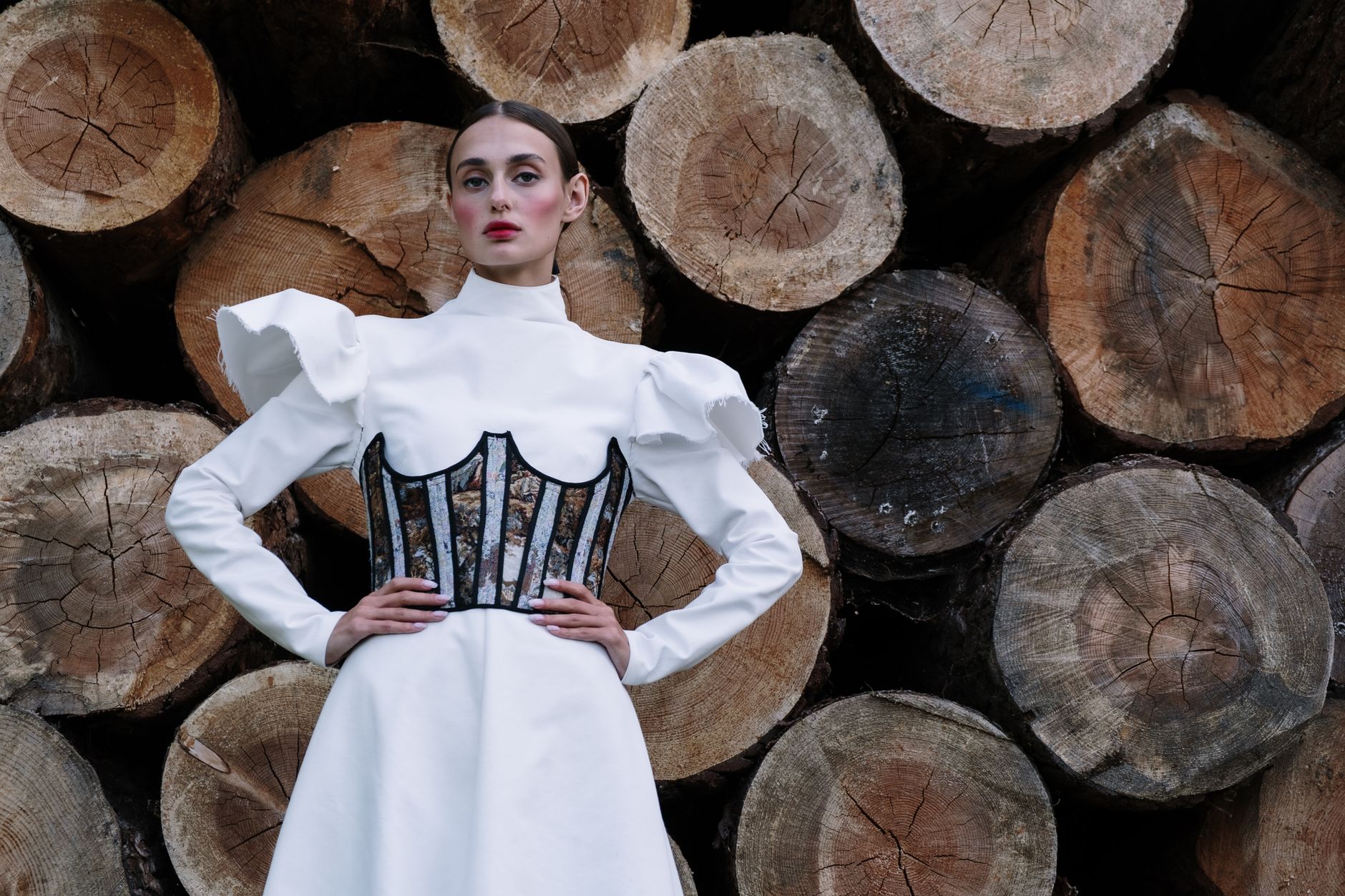
Start With Structure, Not Spectacle
The impulse when entering luxury fashion is to acquire the loudest pieces first—the monogrammed bag, the logo belt, the instantly recognizable coat. Resist. A genuine luxury wardrobe investment beginner strategy begins with architecture: the foundational pieces that create a framework for everything else. Think of it as building a house. You wouldn't install a chandelier before laying the foundation.
Begin with a well-cut blazer in navy or charcoal wool. The Italians understand this instinctively—Loro Piana's tailoring, for instance, demonstrates how proper shoulder construction and canvas interlining create shape that improves with wear rather than collapses after a season. You're looking for natural fibers, full or half-canvas construction (never fused), and working buttonholes. These details separate a jacket that lasts a decade from one that looks tired after twelve months.
The Allocation Formula That Actually Works
Most luxury wardrobe investment beginner guides suggest spending percentages that sound sensible until you realize they're advising you to drop four figures on trousers before you own proper shoes. Here's a more pragmatic breakdown:
- 40% on footwear and outerwear: These endure the most wear and are visible in every outfit. One excellent coat and two pairs of quality shoes will carry you further than five mediocre tops.
- 30% on tailoring and core pieces: Trousers, blazers, knitwear in neutral tones. The Row excels here—their approach to proportion and fabric weight creates pieces that function across contexts.
- 20% on accessories: Bags, belts, small leather goods. Quality leather ages beautifully; cheap leather just ages.
- 10% on trend-responsive pieces: The fashion-forward items that keep your wardrobe current without anchoring your budget.
This isn't gospel, but it prevents the common trap of owning twelve beautiful blouses and nothing to wear them with.
Quality Markers Beyond the Label
Authentic luxury reveals itself in construction, not branding. When evaluating any piece for your luxury wardrobe investment beginner collection, examine these details:
Seams and stitching: Turn garments inside out. French seams, bound edges, and dense stitching (12-14 stitches per inch for tailoring) indicate care. Raw, fraying edges suggest corners cut.
Hardware: Zippers should be YKK, Riri, or Lampo. Buttons should feel substantial—horn, corozo nut, or mother-of-pearl rather than plastic. On bags, hardware should be weighty and move smoothly.
Fabric hand: This is where experience builds. Cashmere should feel dense, not fluffy. Wool suiting should have body and spring back when crushed. Silk should have weight. Visit department stores and handle pieces across price points to train your eye and hand.
Lining: Often the first place brands economize. Quality pieces use Bemberg (cupro) or silk linings that breathe and drape. Polyester linings in a £800 jacket are a red flag.
The Three-Year Horizon
Approach building a luxury wardrobe as a three-year project, not a three-month shopping spree. This timeline allows you to:
Acquire pieces during sales without desperation. Hermès doesn't discount, but most houses do—typically 30-50% off twice yearly. Patience rewards.
Understand your actual lifestyle needs. That leather biker jacket seems essential until you realize you take taxis everywhere. Buy what you'll genuinely wear, not what looks compelling on a mannequin.
Develop your eye. Your taste will refine as you learn what suits your frame, coloring, and daily reality. Early purchases often feel slightly off six months later—this is education, not failure.
Where to Begin Tomorrow
If you're ready to make your first luxury wardrobe investment beginner purchase, start with shoes or a coat. Both have clear quality indicators, significant visual impact, and genuine longevity. A pair of Goodyear-welted leather shoes can be resoled indefinitely. A properly constructed wool coat improves with age as the fabric relaxes and molds to your frame.
Skip anything with overt branding for now. Logos date quickly and often signal insecurity rather than taste. The goal is a wardrobe that looks considered in five years, not one that screams 2024.
Your future self—better dressed, more confident, and not drowning in regrettable purchases—will thank you for the restraint.


