Japanese Precision Meets Swiss Tradition: Seiko vs. TAG Heuer
Two watchmaking philosophies, two distinct approaches to horology. How Japan's most innovative manufacture compares to Switzerland's motorsport champion.
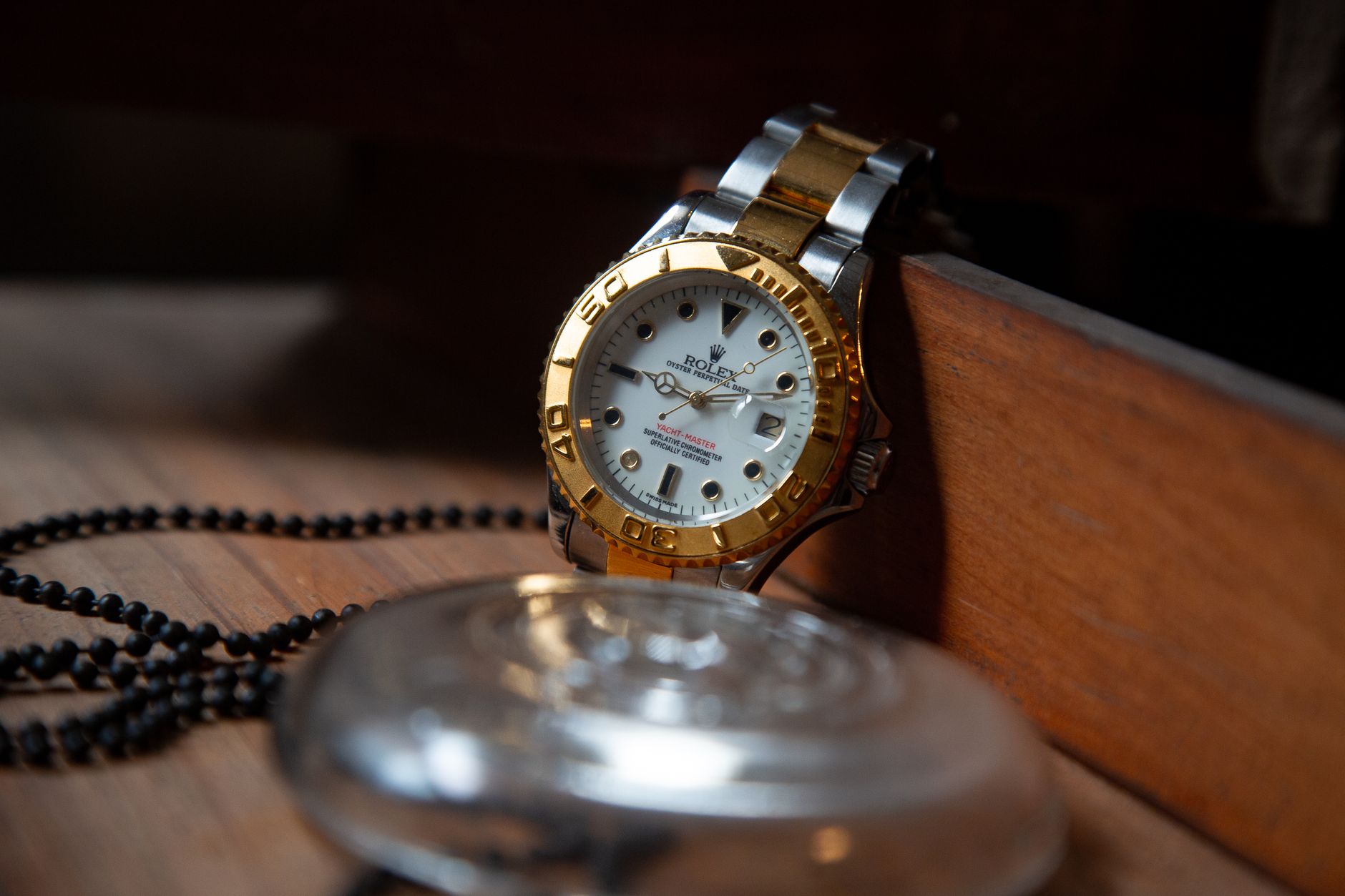
The Seiko TAG Heuer comparison isn't about declaring a winner—it's about understanding two fundamentally different approaches to making watches that happen to occupy surprisingly similar price brackets.
Manufacturing Philosophy: Kaizen vs. Chronométrie
Seiko's strength lies in vertical integration that would make even the grandes maisons envious. The brand manufactures everything in-house: movements, cases, dials, hands, even the oils that lubricate their calibres. This isn't marketing speak—Seiko's Shizuku-ishi Watch Studio in Iwate prefecture quite literally makes watches from raw metal to finished product under one (very large) roof.
TAG Heuer, meanwhile, operates within the LVMH constellation with access to movement blanks from sister companies, though they've invested heavily in proprietary calibres since the Heuer 01 in 2016. Their manufacture in Chevenez produces the Heuer 02 automatic chronograph movement, a workhorse calibre with an 80-hour power reserve that powers everything from the Carrera to the Monaco.
The philosophical difference matters. Seiko approaches watchmaking like Toyota approaches cars: relentless improvement, obsessive quality control, and innovations that trickle down from Grand Seiko to sub-£500 models. TAG Heuer thinks more like a Formula 1 team, focused on performance, partnerships with motorsport, and the kind of bold design choices that photograph well on a steering wheel.
Innovation: Quartz Crisis vs. Carbon Composites
Any serious Seiko TAG Heuer comparison has to acknowledge that Seiko fundamentally changed watchmaking in 1969 with the Astron, the world's first quartz watch. They didn't just participate in the quartz revolution—they started it. Today, Seiko continues pushing technical boundaries with Spring Drive (a hybrid mechanical-quartz movement that's genuinely novel) and their high-beat mechanical movements in Grand Seiko.
TAG Heuer's innovation skews towards materials science and connectivity. They've experimented with carbon hairsprings, developed the Monaco V4 with belt-driven mechanics, and launched the Connected smartwatch—a luxury Android Wear device that's had more success than most Swiss attempts at digital.
Key technical achievements worth noting:
- Seiko: Spring Drive technology (1999), 36,000 vph high-beat movements, proprietary Spron alloys for hairsprings
- TAG Heuer: Heuer 02T tourbillon at accessible pricing, carbon-composite hairspring, Nanograph hairspring technology
- Seiko: Zaratsu polishing technique creating distortion-free mirror surfaces
- TAG Heuer: Partnership with Porsche (replacing decades with McLaren) influencing current design language
Market Positioning: The £2,000 Question
Here's where the Seiko TAG Heuer comparison gets interesting for actual buyers. At entry level, Seiko's Prospex and Presage lines (£400-£1,200) offer more watchmaking per pound than almost anything Swiss. You're getting in-house movements, excellent finishing for the price, and designs that don't scream "affordable."
TAG Heuer's entry point sits higher—roughly £1,500 for a quartz Formula 1, £2,500-£4,000 for automatic Carreras and Aquaracers. You're paying for Swiss provenance, brand recognition, and frankly, better marketing. A TAG on your wrist signals luxury in ways a Seiko (outside Grand Seiko) simply doesn't, regardless of technical merit.
The real crossover happens at the £3,000-£5,000 mark, where Seiko's Grand Seiko line meets TAG's core collections. At this level, Grand Seiko offers superior finishing, innovative movements, and the kind of dial work that makes Swiss watchmakers nervous. TAG counters with heritage, design confidence, and that Monaco/Carrera lineage.
The Wearing Experience
Seiko watches, particularly Grand Seiko, tend towards conservatism. They're beautifully made but rarely conversation-starters outside watch-nerd circles. The zaratsu-polished cases catch light gorgeously, the dials reward close inspection, but they whisper rather than shout.
TAG Heuer has no interest in whispering. The Monaco is a 39mm square statement piece that's looked essentially the same since Steve McQueen wore one in Le Mans. The Carrera Plasma, with its tourbillon visible through the dial, costs £180,000 and glows in the dark. Subtlety is not the brief.
The final Seiko TAG Heuer comparison point: both brands make excellent watches that hold up to daily wear, but they're speaking to different sensibilities. One values technical perfection and quiet mastery; the other wants you to know exactly what you're looking at.


