Linen Season: The Fabric Fashion Finally Learned to Refine
From Loro Piana's whisper-weight weaves to Hermès' garment-dyed innovations, how luxury houses are rewriting the rules for summer's oldest textile.

The Wrinkle Revolution
For decades, linen occupied an awkward position in the fashion hierarchy: too casual for luxury, too rumpled for elegance, forever relegated to holiday wardrobes and coastal weekends. That calculus has shifted. The same houses once devoted exclusively to silk and cashmere are now investing serious atelier hours into luxury linen fabric, treating it with the same reverence they'd afford vicuña or Sea Island cotton.
The difference isn't just marketing. Technical advances in spinning, weaving, and finishing have genuinely transformed what linen can do. Where the fabric once emerged stiff and prone to aggressive creasing, contemporary luxury linen fabric now offers a suppleness that moves with the body while retaining the breathability and moisture-wicking properties that made it indispensable in ancient Egypt. The wrinkles remain, of course, but they've been reframed: not a bug, but a feature, the textile equivalent of a lived-in patina.
What's Actually Changed
The innovation starts at the fibre level. Premium European flax, particularly from Belgium and northern France, produces longer, finer strands that can be spun into yarns approaching the fineness of high-end cotton. Loro Piana's linen programme, for instance, sources exclusively from this region and subjects the fibres to additional combing processes that remove shorter, coarser elements. The result feels almost silken against skin, a far cry from the scratchy holiday shirts of memory.
Weaving techniques have evolved in parallel. Many luxury houses now employ:
- Double-twisted yarns that increase durability without adding weight
- Enzyme washes that soften the hand without compromising structure
- Garment-dyeing processes that allow colour to penetrate more evenly, reducing the chalky fade common in piece-dyed linen
- Blended constructions pairing linen with silk or cotton to balance drape and resilience
Hermès has been particularly vocal about its garment-dyeing approach, immersing finished pieces in dye baths to achieve richer, more complex colour that ages gracefully rather than simply fading. The technique is labour-intensive and requires precise temperature control, but the depth of hue justifies the effort.
Beyond the Beach Shirt
The real story isn't that luxury linen fabric exists, it's where it's appearing. Tailoring, historically linen's Achilles heel, has become a showcase category. The Row's linen suiting demonstrates how the fabric can hold a clean line through the shoulder while offering ease through the body. The key is construction: floating canvases, minimal interlining, and pattern-cutting that anticipates the fabric's tendency to relax and conform.
Brunello Cucinelli has built entire summer collections around linen tailoring, pairing unstructured blazers with drawstring trousers in matching weaves. The effect is polished but breathable, appropriate for a gallery opening or a seaside lunch without the stuffiness of wool or the sheen of silk. These aren't garments that demand air conditioning; they're designed for actual Mediterranean heat.
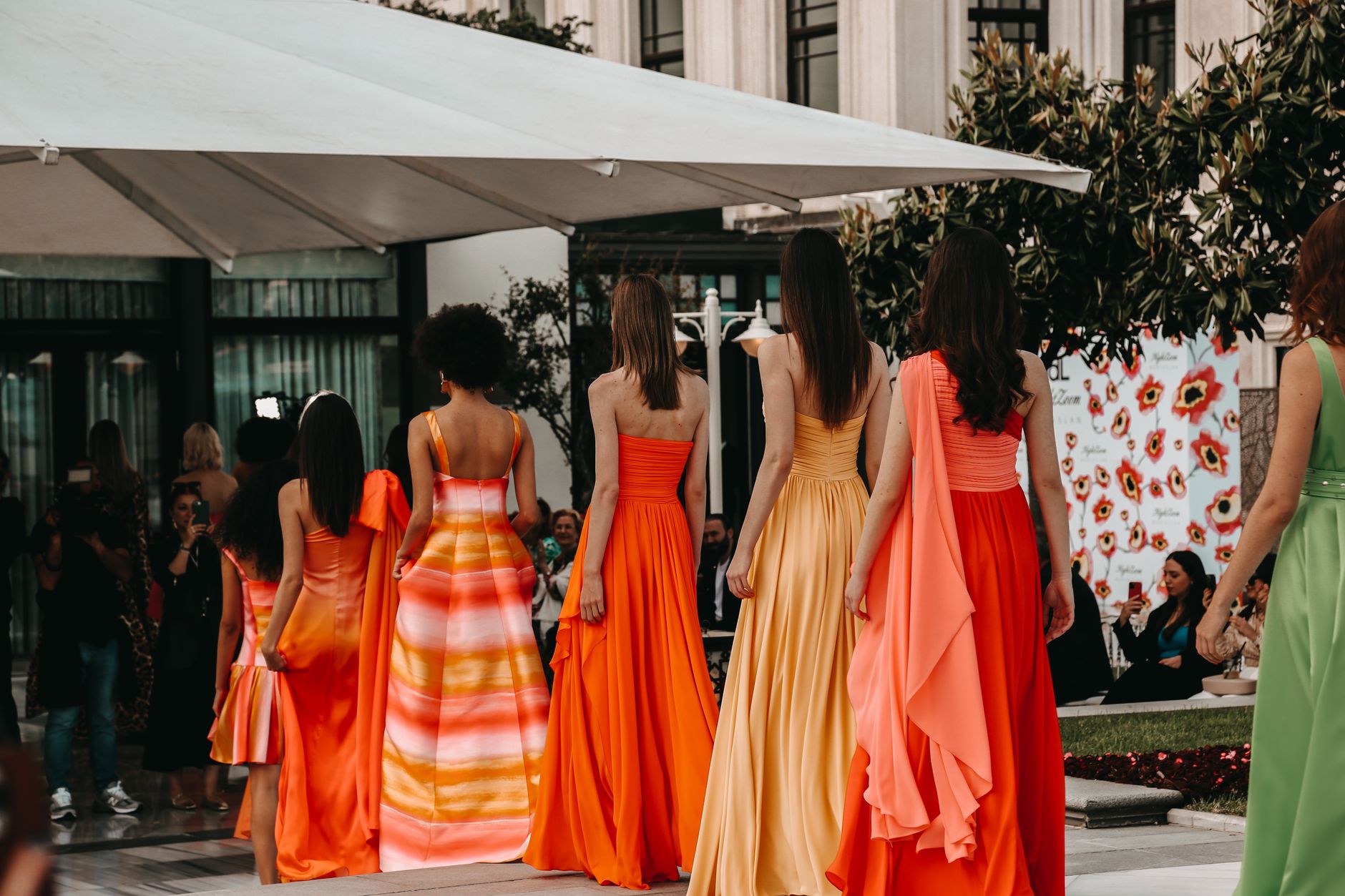
Womenswear has embraced the fabric with equal enthusiasm. Wide-leg trousers, slip dresses, and oversized shirts all benefit from linen's natural body and movement. The fabric's tendency to hold shape without rigidity makes it particularly suited to voluminous silhouettes that could look sloppy in softer materials. When cut generously and worn with intention, linen reads as languid rather than lazy.
The Care Paradox
One reason luxury linen fabric commands its premium is the finishing work that makes it genuinely low-maintenance. Pre-washing and enzyme treatments mean contemporary linen typically shrinks minimally and softens with each wash rather than degrading. Most pieces can be machine-washed on gentle cycles and hung to dry, emerging with the kind of relaxed texture that would cost a fortune to achieve through pressing.
The irony is that the less you fuss with linen, the better it looks. Heavy starch and aggressive ironing work against the fabric's nature, creating a stiff shell that creases dramatically at the first movement. A light steam or even wearing it slightly damp allows the fibres to settle into their natural, gently rumpled state. This is fabric that rewards a certain nonchalance, which may be why it's found such favour in an era increasingly suspicious of overdone polish.
The Long Game
Linen's durability makes it a compelling proposition for anyone thinking beyond a single season. Well-made pieces from serious houses can last decades, the fabric actually improving as fibres soften and any residual stiffness dissipates. In a market increasingly focused on cost-per-wear and investment buying, that longevity matters.
The fabric's environmental credentials don't hurt either. Flax requires minimal water and pesticides compared to cotton, and the entire plant can be used, leaving little waste. For brands navigating sustainability pressures, luxury linen fabric offers a story that's both commercially and ethically coherent.
Summer dressing has never been about suffering through heat in the name of style. The best warm-weather wardrobes have always understood that comfort and elegance aren't opposing forces. Linen, finally treated with the seriousness it deserves, proves the point.