Marble vs. Soapstone: The Luxury Stone Face-Off for Your Table
Two storied materials, entirely different personalities. We break down the beauty, the upkeep, and the reality of living with each.
The Case for Each
Choosing between marble and soapstone for a dining or console table isn't just about colour preference. It's about temperament. Marble arrives with drama and heritage, veining that commands attention from across the room. Soapstone, by contrast, offers a quiet, almost matte elegance that reads as both rustic and refined. The marble vs soapstone debate hinges less on which is objectively superior and more on how you actually live.
Marble has spent centuries in palaces and Parisian apartments. It's the stone of Michelangelo and mid-century Knoll tulip tables. Soapstone, meanwhile, has roots in Scandinavian farmhouses and New England laboratories, prized for its imperviousness to heat and acid. One is high-gloss theatre; the other is understated resilience.
Aesthetics: Veining vs. Velvet
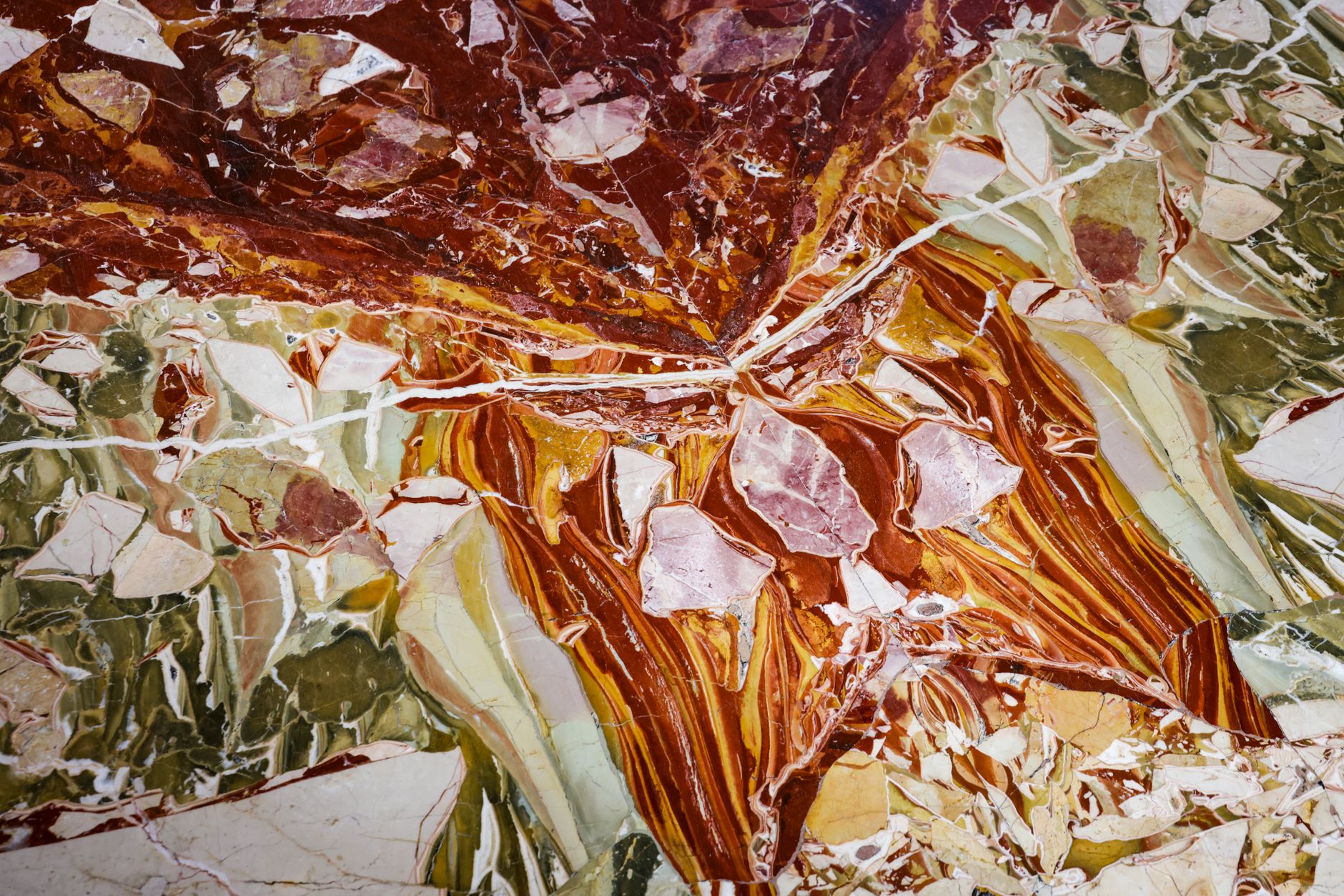
Marble's appeal is immediate. Carrara, Calacatta, Statuario—the names alone carry weight. The veining varies wildly depending on the quarry, and no two slabs are identical. That uniqueness is part of the allure, though it also means you need to hand-select your piece if perfection matters to you. Polished marble catches light beautifully, lending a sense of occasion to even the most casual dinner.
Soapstone takes a different approach. Its surface is softer, almost chalky to the touch when honed, and the palette skews grey-green to charcoal. There's little veining—just subtle striations that deepen with age. Over time, soapstone darkens naturally, developing a patina that some find soulful and others find drab. If you prefer materials that evolve rather than remain static, soapstone rewards patience. If you want a stone that stays as crisp as the day it was installed, marble (properly sealed) is the safer bet.
Durability and Maintenance: The Real Talk
This is where the marble vs soapstone conversation becomes practical. Marble is porous and notoriously temperamental. Red wine, lemon juice, even a damp glass left overnight can leave a ring or dull the polish. It requires sealing—often annually—and even then, etching is a near certainty if you're using the table for actual dining rather than display. Some find the imperfections charming, evidence of a life well-lived. Others find them maddening.
Soapstone, by contrast, is non-porous and chemically inert. You can set a hot pot directly on it without worry. Acids won't etch it. It's softer than marble, so it scratches more easily, but those scratches can be buffed out with mineral oil or fine sandpaper. In fact, many owners treat soapstone with mineral oil to enhance its dark, satiny finish—a ritual that takes minutes and adds character rather than requiring professional intervention.
A quick comparison:
- Marble: Requires regular sealing, prone to etching and staining, harder surface resists scratches, polished finish shows every flaw
- Soapstone: No sealing needed, impervious to heat and acid, softer so it scratches, honed finish hides imperfections, darkens and develops patina over time
Living With Each: A Matter of Personality
The marble vs soapstone decision often comes down to how much maintenance you're willing to tolerate in exchange for a certain look. Marble suits those who treat their interiors with a degree of formality, who don't mind coasters and placemats, who see the stone as a centrepiece worth protecting. It's the choice for maximalists, for people who want their furniture to announce itself.
Soapstone appeals to a different sensibility. It's forgiving, low-drama, and quietly sophisticated. It works in kitchens where cooking is serious business, in dining rooms that double as homework stations, in homes where beauty doesn't require vigilance. It's also increasingly popular among designers who favour natural, unpolished materials—think Studio Oink's tactile interiors or the spare elegance of Norm Architects' Copenhagen projects.
Neither stone is objectively better. Marble offers spectacle and tradition. Soapstone offers practicality and a kind of lived-in grace. Your choice should reflect not just your aesthetic preferences but your actual habits—how you cook, how you clean, and how much imperfection you're prepared to embrace.
Both stones age. The question is whether you want that ageing to feel like damage or like character. Choose accordingly.


