Sapphire Crystal vs. Hesalite: The Case Back Debate That Defines You
Why the material between you and a watch movement says more about your collecting philosophy than the complications themselves.
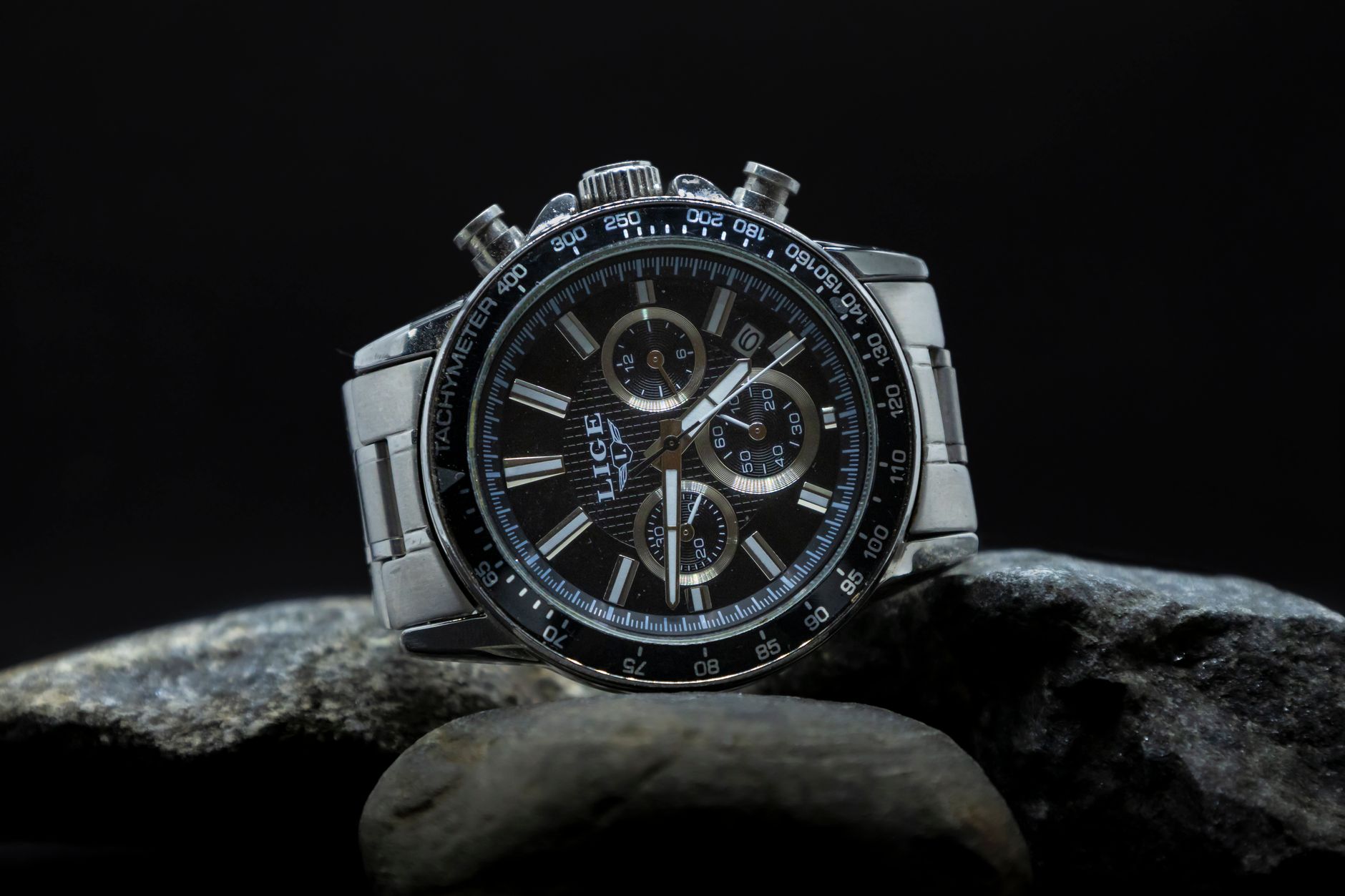
The Window to Your Wrist
Turn over a mechanical watch and you're faced with a choice that reveals more about its wearer than any dial colour or strap selection: sapphire crystal or hesalite. One offers clarity and scratch resistance, the other warmth and heritage. The sapphire crystal vs hesalite debate isn't merely technical—it's philosophical.
What You're Actually Looking At
Sapphire crystal, despite its name, contains no actual sapphire. It's synthetic corundum, second only to diamond in hardness, which explains why it remains virtually scratch-proof through years of desk diving and travel. Manufacturers grow it in laboratories, slice it thin, polish it to transparency, and often apply anti-reflective coating to both sides. The result: an unobstructed view of the movement, every bridge and jewel visible in high definition.
Hesalite—a proprietary acrylic polymer developed by Omega in the 1960s—takes the opposite approach. It's lightweight, shatter-resistant, and develops a patchy cloudiness over time that vintage enthusiasts describe, without irony, as patina. Polish it with Polywatch and those micro-scratches disappear. Drop it hard enough and it might crack, but it won't splinter into your movement like mineral glass.
The sapphire crystal vs hesalite conversation intensified when brands started offering the same reference in both materials. Omega's Speedmaster Professional remains the textbook example: the ref. 310.30.42.50.01.001 comes with hesalite (and a solid case back), while the ref. 310.30.42.50.01.002 features sapphire front and back. Same movement, same dial, entirely different wearing experience.
The Practical Considerations
Beyond romance, here's what actually matters in daily wear:
- Scratch resistance: Sapphire wins categorically. Hesalite will fog up from contact with wool jumpers.
- Impact resistance: Hesalite flexes and survives drops that would shatter sapphire into irreparable fragments.
- Weight: Hesalite shaves grams—negligible on paper, perceptible on a 38mm vintage reissue.
- Clarity: Sapphire offers zero distortion. Hesalite has a faintly warmer, less clinical quality that some describe as more "analogue."
- Replacement cost: Hesalite crystals run £30-80. Sapphire case backs start at £150 and climb quickly.
When Transparency Isn't the Point
The irony of the sapphire crystal vs hesalite case back debate is that display backs themselves represent a relatively recent convention. Patek Philippe still fits solid gold backs to many complications. Rolex has never made a serially produced watch with an exhibition case back, arguing that solid construction ensures better water resistance and protects the movement from magnetic fields.
There's something to this restraint. A solid back—in steel, gold, or titanium—keeps the focus on the dial and the brand's confidence in its own finishing. If you're not looking at Geneva stripes and perlage, you're actually wearing the watch rather than curating it. The Grand Seiko SBGW231, for instance, pairs a sapphire crystal front with a solid titanium back, prioritising the extraordinary dial over movement exhibitionism.
Conversely, when brands invest in haute horlogerie finishing—think Vacheron Constantin's hand-bevelled bridges or A. Lange & Söhne's three-quarter plates in untreated German silver—sapphire becomes non-negotiable. These movements are designed to be admired from both sides. Hesalite would be like hanging a Rothko behind frosted glass.
The Collector's Calculus
Sapphire suggests you value precision and permanence. It's the material of someone who researches power reserve and escapement types, who wants to watch the rotor spin during a business lunch. Hesalite signals a different literacy: respect for original specifications, acceptance of wear as narrative, a certain impatience with over-engineering.
Neither choice is wrong. The sapphire crystal vs hesalite question simply asks what you want from the relationship. A window or a companion? An instrument or an heirloom? Your answer matters less than knowing why you've chosen it.
In the end, the case back you select won't affect timekeeping by a single second. But it will tell anyone who knows watches exactly what kind of collector you are—and whether you've thought seriously about what you're actually wearing.


