The $1000+ Gift Edit: When to Invest in Statement Pieces
Some occasions demand more than a gesture. Here's how to identify luxury gifts worth their weight in gold, and the moments that call for them.
When Four Figures Make Sense
The question isn't whether anyone needs a gift that costs more than a month's rent. The question is whether the occasion, the recipient, and the object itself justify crossing that particular threshold. For milestone birthdays, significant anniversaries, or those rare moments when you want to mark something indelible, luxury gifts over 1000 occupy a category unto themselves. Not because of the number, but because of what that number tends to buy: objects built to last decades, pieces with genuine provenance, and craftsmanship you can actually see.
What Separates Investment from Indulgence
The difference between an expensive gift and a worthwhile one comes down to three things: longevity, versatility, and emotional resonance. A handbag that will look better in ten years than it does today. A watch that can be serviced indefinitely. A piece of jewellery that carries meaning beyond its materials. These aren't frivolous purchases dressed up in tissue paper. They're objects that accrue value, both monetary and sentimental, over time.
When you're considering luxury gifts over 1000, ask yourself:
- Will this item age gracefully, or does it depend entirely on this season's trends?
- Can it be repaired, serviced, or restored by the brand itself?
- Does the recipient have the lifestyle to actually use it, or will it live in a box?
- Would you feel comfortable giving this in five years, or does it feel too 'now'?
If you're hesitating on any of these points, you might be looking at the wrong piece.
The Categories Worth Considering
Timepieces remain the most straightforward entry point into serious gifting. A mechanical watch from Cartier or Jaeger-LeCoultre isn't just telling time; it's a piece of engineering that can be passed down. The Tank, for instance, has looked essentially the same since 1917, which tells you everything about its staying power. Avoid anything too complicated for a first major watch. A clean dial, a solid movement, and a case size that works on multiple wrist sizes will serve better than chronographs and moon phases.
Leather goods justify their price tags when the house still employs actual saddle-stitching and offers lifetime repairs. Hermès and Bottega Veneta both maintain in-house ateliers for this reason. The former's Evelyne bag, for example, remains one of the few pieces you can buy at retail without a purchase history, and its perforated H logo has a kind of anti-status status appeal. The latter's intrecciato weave, meanwhile, is instantly recognizable without a single visible logo.
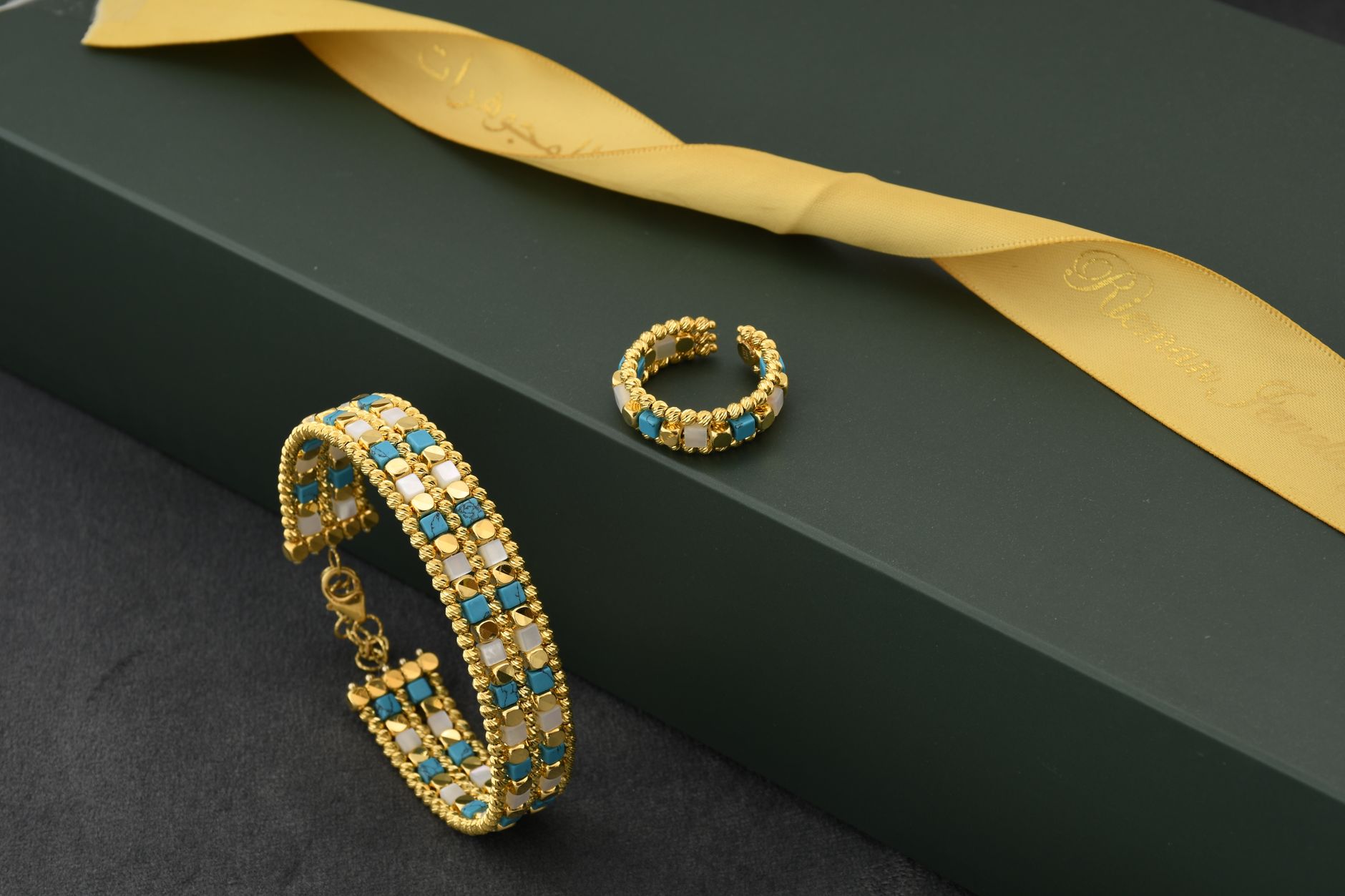
Fine jewellery becomes genuinely investment-grade once you're looking at pieces that use substantial precious metals and stones with proper certification. Van Cleef & Arpels' Alhambra collections or Cartier's Love bracelet have both demonstrated their ability to hold value on the secondary market. The key is choosing something classic enough to transcend trends but distinctive enough to feel personal.
Cashmere and outerwear might seem pedestrian at this price point, but a coat from Loro Piana or The Row is a different animal entirely. The weight, the hand, the way the fabric drapes after five years of wear rather than pilling after five washes. These are pieces that make everything else in a wardrobe look more expensive by proximity.
The Occasions That Warrant It
Not every gift-giving moment calls for luxury gifts over 1000. But some do. Engagements, obviously. Milestone birthdays ending in zero. The birth of a first child, when you're thinking generationally. Professional achievements that represent years of work. Or simply those moments when you want to acknowledge someone's presence in your life in a way that can't be mistaken for casual.
The point isn't the money. It's the intention, made tangible through an object that will outlast the wrapping paper by several decades. When you get it right, the recipient won't remember what they paid for anything else that year. But they'll remember this.
Buying Well, Not Just Expensively
The luxury market is full of things that cost four figures without deserving to. Logo-heavy pieces that announce their price tag. Collaborations that trade on hype rather than craft. Anything described as 'limited edition' without a compelling reason for its scarcity.
Instead, look for houses with repair programmes, transparent supply chains, and archival references that prove a design has already stood the test of time. Check the secondary market to see if pieces hold value. And perhaps most importantly, consider whether this gift will make the recipient's life genuinely better, or just more expensive.
Because the best luxury gifts over 1000 don't feel like extravagances. They feel like inevitabilities.