The Double-Breasted Blazer Is Back (And Better Than Your Dad's)
Once the preserve of Wall Street and wedding guests, the DB jacket has quietly become the most interesting thing happening in menswear tailoring.
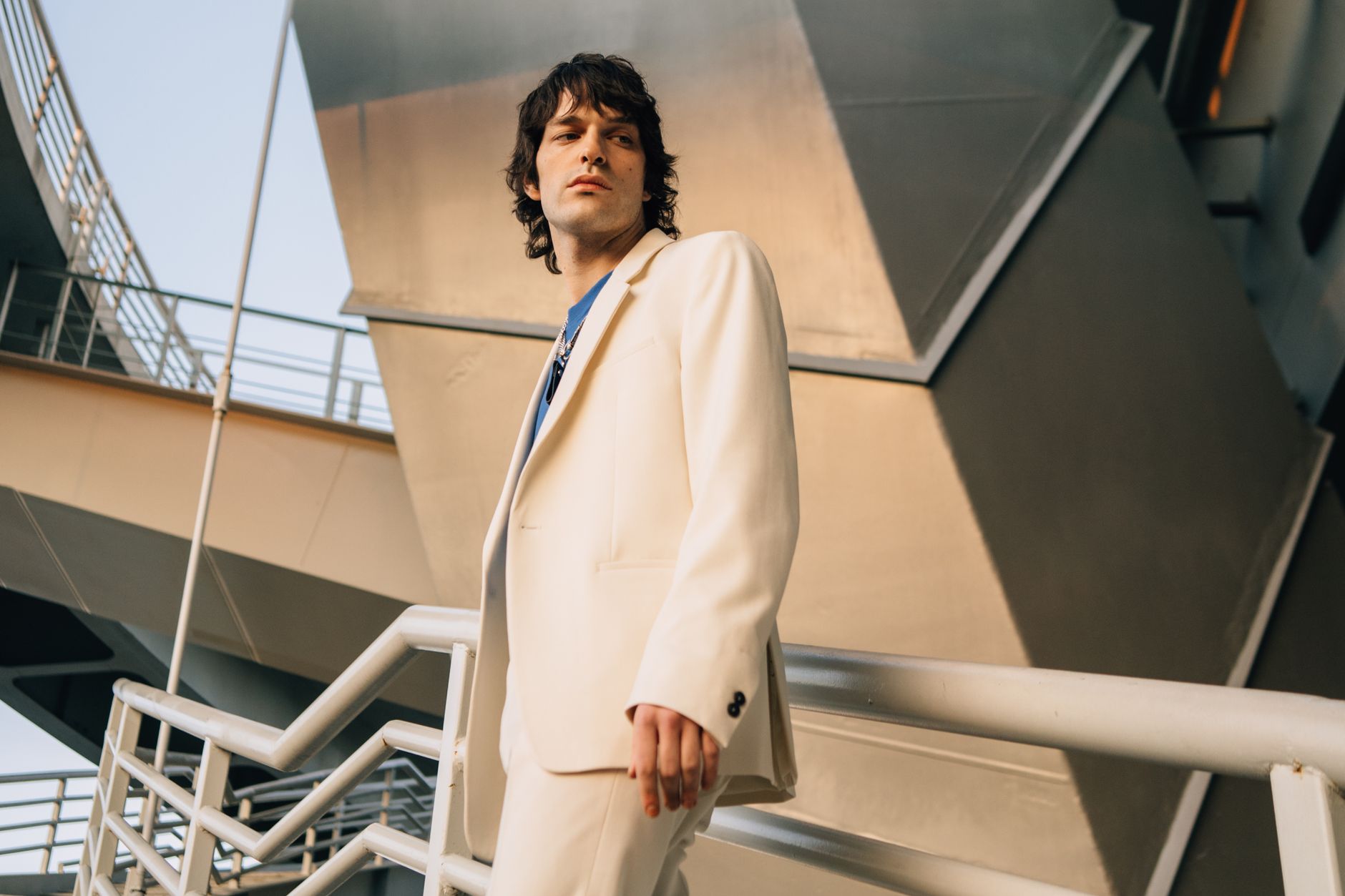
The Return of the Six-Button
Somewhere between 2019 and now, the double-breasted blazer men once associated with Gordon Gekko and slightly fusty formality became the silhouette of choice for everyone from Timothée Chalamet to your better-dressed colleagues. The shift didn't happen overnight, but rather through a slow recalibration: wider lapels started looking elegant instead of costumey, the boxy 1980s proportions gave way to something leaner and longer, and suddenly that extra row of buttons felt less like a relic and more like a statement.
What changed? Partly, it's cyclical. Fashion always returns to what it previously rejected. But the current appetite for double-breasted blazers also reflects a broader hunger for structure and intentionality in menswear. After years of unstructured overshirts and drawstring everything, there's something deeply satisfying about a garment that requires you to stand a little straighter.
Why It Works Now
The modern double-breasted jacket succeeds because designers have learned to edit. Loro Piana has been quietly perfecting a soft-shouldered DB in storm system wool that feels almost casual despite its formality, proof that construction matters as much as cut. Meanwhile, Loewe under Jonathan Anderson has reinterpreted the silhouette entirely, often cropping the length and playing with oversized lapels that nod to 1970s tailoring without tipping into costume.
The key differences from previous iterations:
- Longer, leaner lines that elongate rather than boxy cuts that add bulk
- Higher button stance that creates a cleaner front and modern proportions
- Softer construction with less padding, making them easier to wear casually
- Interesting textures like flannel, linen-silk blends, and textured wool rather than just worsted
- Tonal or complementary buttons instead of high-contrast brass
This isn't your father's power suit. The contemporary double-breasted blazer men are wearing now tends to be unlined or half-lined, constructed with a natural shoulder, and cut to work as a separate rather than strictly as suiting. It's tailoring that acknowledges how people actually dress.
How to Wear It Without Looking Like You're Playing Dress-Up
The secret to wearing a DB blazer in 2025 is treating it as the focal point, not part of a matchy-matchy ensemble. Pair it with denim in a proper dark indigo or black, and suddenly you have something that works for dinner without reading as overly formal. The contrast between the structure of the jacket and the ease of denim creates tension in the best way.
For a more refined approach, try it with pleated trousers in a different fabric and tone. A navy double-breasted jacket in flannel with grey wool trousers and a simple white t-shirt has become something of a uniform among the European fashion set, and for good reason. It's polished without being precious.
Knitwear underneath changes everything. A fine-gauge merino rollneck or even a well-cut crewneck sweater gives the look a more relaxed, approachable feel than the traditional shirt-and-tie combination. Save the latter for when you actually need to signal formality.
Proportions matter enormously. If you're wearing a longer, more dramatic DB jacket, keep your trousers relatively slim or tailored. Conversely, if you prefer wider trousers, a slightly shorter, more fitted jacket maintains balance. The goal is intentional contrast, not competing volumes.
The Details That Make the Difference
Pay attention to button configuration. A 6x2 (six buttons, two fasten) is the most versatile and forgiving. The 4x2 can look sleeker but requires precise tailoring to avoid appearing too compact. Always fasten both working buttons when wearing it; leaving one undone defeats the entire structure.
Lapel width should be proportional to your frame, but generally speaking, the current sweet spot is around 3.5 to 4 inches at the widest point. Too narrow reads dated; too wide risks costume territory.
Fabric weight matters more than you'd think. A heavy 14-oz wool will hold its shape beautifully but can feel rigid. Something in the 10-12 oz range in a flannel or textured weave offers structure with movement, making it far easier to style casually.
Consider It Reconsidered
The double-breasted blazer stopped being a nostalgia piece the moment designers started treating it as a contemporary garment rather than a historical reference. What we're seeing now isn't a trend so much as a reappraisal: this is simply good tailoring, freed from the baggage of its 1980s excess and 1990s rejection. Wear it like you mean it, but not like you're trying too hard. That's the entire point.


