The Geography of Wedding Guest Dressing
From scarlet saris in Mumbai to pastels in the Cotswolds, understanding the unwritten codes that separate a confident guest from a cautious one.
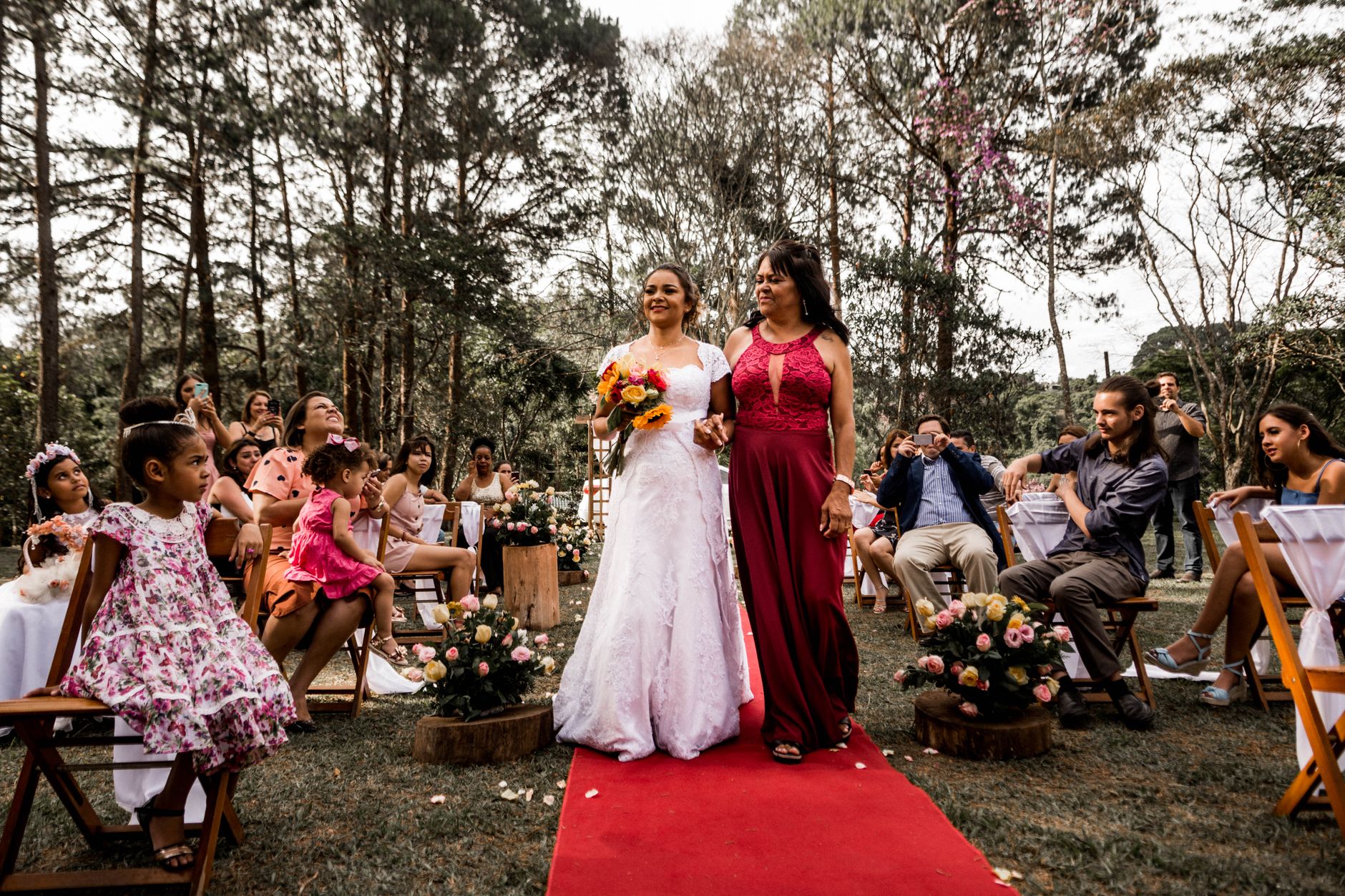
East vs. West: Why the Same Dress Won't Work Everywhere
The ivory silk slip dress that earns admiring glances at a château wedding in Provence could render you persona non grata at a Hindu ceremony in Jaipur. Wedding guest dress cultural traditions aren't just about aesthetics—they're encoded with centuries of symbolism, superstition, and social etiquette that shift dramatically across hemispheres.
In Western contexts, the cardinal rule remains simple: don't wear white (or anything that photographs white). The bride's monopoly on neutrals extends to cream, champagne, and occasionally blush, depending on how traditional the family. Black, once verboten, has been rehabilitated—particularly for evening ceremonies in urban settings—though it still raises eyebrows at countryside chapels and conservative American weddings.
Eastern wedding guest dress cultural traditions operate on an entirely different colour theory. White, far from being protected, is often discouraged or outright forbidden. In many South and East Asian cultures, white signifies mourning. Red, conversely, belongs to the bride in Chinese and Vietnamese weddings, making it as off-limits as ivory would be in the West. At Indian weddings, however, red is not only permissible but practically encouraged for guests—the more saturated the palette, the better.
What to Wear: Navigating Ceremonies Across Continents
Western Weddings: The Tyranny of Discretion
Western wedding guest dress cultural traditions prioritize restraint. You're meant to look polished without outshining, which creates a narrow sartorial corridor. Midi and maxi lengths dominate, though cocktail hemlines work for evening receptions. Sleeves aren't mandatory but add a layer of propriety for church ceremonies.
Fabric and finish matter more than you'd think. Anything too reflective, too structured, or too bridal in silhouette (think fit-and-flare, illusion lace) courts trouble. Brands like Reformation and Rixo have built entire wedding guest collections around this brief: pretty but not precious, special but not scene-stealing. A printed midi dress in a vintage-inspired floral serves as the uniform of the discerning Western wedding guest—it photographs well, travels easily, and offends no one.
Eastern Weddings: The Invitation to Opulence
Attending a South Asian, Middle Eastern, or Southeast Asian wedding as a guest means rethinking every Western instinct toward minimalism. These are multi-day, multi-outfit affairs where embellishment is not just accepted but expected. Sequins at noon? Entirely appropriate. Gold embroidery? The baseline, not the ceiling.
For Indian weddings specifically, the sari remains the gold standard for guests, though lehengas (embroidered skirt and blouse sets) and anarkalis (fitted bodice with flowing skirt) offer more forgiving alternatives for those less practiced in draping. Western guests needn't attempt a sari unless genuinely comfortable—a well-chosen silk or velvet ensemble with traditional embroidery demonstrates respect without veering into costume.
Chinese banquet weddings call for a different calculus:
- Avoid white, black, and red (unless explicitly encouraged by modern couples)
- Jewel tones and metallics perform well
- Qi pao (cheongsam) dresses work beautifully but aren't required
- Expect multiple courses and plan for comfortable seating—restrictive silhouettes rarely end well
Japanese weddings tend toward formality, with guests often choosing subdued, elegant pieces in navy, pastels, or muted florals. Kimono are reserved for close family, though younger generations have relaxed this somewhat.
The Accessories Equation
Western weddings reward subtle jewellery—delicate chains, small hoops, a single statement earring if you must. Eastern ceremonies invite the opposite. At Indian weddings, stacked bangles, chandelier earrings, and ornate necklaces complete the look rather than overwhelm it. The same pieces that would read as "too much" in a British country church are practically mandatory at a Punjabi reception.
Footwear follows similar logic. Stilettos may be standard in the West, but consider the venue: garden ceremonies and cobblestone courtyards have humbled many a wedding guest. For Eastern weddings, where you may be sitting cross-legged or removing shoes entirely, embellished flats or low block heels prove infinitely more practical than anything requiring balance.
When Worlds Collide
Modern weddings increasingly blend traditions, particularly among diaspora communities and intercultural couples. A morning ceremony at a gurdwara followed by an evening reception at an industrial loft requires two looks, not compromise. The couple's invitation wording usually offers clues—"Indian formal," "black tie optional," or "festive attire" each signal different expectations.
When in doubt, wedding guest dress cultural traditions favour respect over fashion. Asking the couple or close family members isn't gauche; it's considerate. And if you've miscalculated? Confidence and genuine participation matter more than getting every detail right.
The best-dressed wedding guest isn't the one who took the biggest risk—it's the one who understood the assignment.


