The Makeup Artist's Guide to Color Correcting Like a Professional
From backstage to your bathroom mirror: the strategic techniques that address hyperpigmentation, redness, and scarring before foundation ever enters the picture.
Understanding the Wheel Before You Spin It
The color wheel isn't just a relic from secondary school art class. It's the roadmap that separates coverage that looks like skin from coverage that looks like coverage. The principle is straightforward: complementary colors neutralize one another. Green cancels red, peach neutralizes blue-toned shadows, lavender corrects sallow yellow undertones. But knowing which shade to reach for is only half the equation. The real skill lies in application, layering, and knowing when to stop.
Color correcting makeup works beneath your foundation, not instead of it. This distinction matters. The goal isn't to paint over discoloration but to neutralize it so your base can do its job with a lighter hand. Think of it as pre-editing your canvas rather than adding another coat of paint.
Mapping Your Concerns to the Right Corrector
Not all discoloration requires the same approach. Here's how professionals match concern to color:
- Post-inflammatory hyperpigmentation and melasma: Peach or bisque correctors for deeper skin tones, pink for fair to light complexions. The Bobbi Brown Corrector range remains the industry standard for a reason—the texture is emollient enough to blend seamlessly but pigmented enough to do actual work.
- Redness from rosacea, acne, or broken capillaries: Green sounds intuitive, but it can read ashy on deeper tones. Many makeup artists prefer a yellow-toned corrector instead, which neutralizes without the chalky cast. Make Up For Ever's Chromatic Mix in Yellow offers enough intensity to be mixed with foundation or used strategically on targeted areas.
- Under-eye circles: This is where most people get it wrong. Blue-toned darkness needs peach or orange (the deeper your skin, the more orange you need). Purple shadows require yellow. Brown circles often don't need color correcting makeup at all, just a brighter concealer.
- Scarring and texture: Color correction helps with discoloration, but it won't fill texture. For atrophic scarring, a silicone-based primer in the divot before corrector application creates a smoother surface.
Application Techniques That Actually Work
The difference between editorial perfection and a makeup counter mishap often comes down to method, not product. Professional makeup artists use brushes for precision and warmth for blending.
Start with the thinnest possible layer. Correctors are highly pigmented, and it's exponentially easier to add than to remove. Use a small synthetic brush (a lip brush works beautifully) to place product exactly where you need it. For under-eyes, that means the inner corner and the shadowed crescent, not the entire orbital area.
Blend with your ring finger or a damp sponge, using a gentle pressing motion rather than dragging. The goal is to diffuse the edges so the corrector melts into skin without disturbing the placement. Wait 30 seconds before moving to foundation. This brief pause allows the corrector to set slightly, preventing it from moving around when you apply your base.
Layering order matters more than most tutorials admit. After corrector, use the minimum amount of foundation necessary, building coverage only where you need it. Then assess. Often, the corrector has done enough heavy lifting that you can skip concealer entirely, or use it only for final brightening rather than coverage.
The Nuances They Don't Mention
Texture trumps color matching. A corrector that's the theoretically perfect shade but has a dry, chalky formula will crease, separate, and ultimately draw more attention to the area you're trying to correct. Look for creamy, emollient formulas that move with your skin.
Undertone matters as much in color correcting makeup as it does in foundation. A peach corrector with too much pink can turn orange on warm undertones. Test on your specific discoloration, not on your hand.
Setting powder is optional and often counterproductive. If you must, use it only on areas prone to creasing (like the under-eye), and apply it with a damp sponge for a pressed, invisible finish. Loose powder brushed over corrected areas can disturb your work and emphasize texture.
When Correction Isn't the Answer
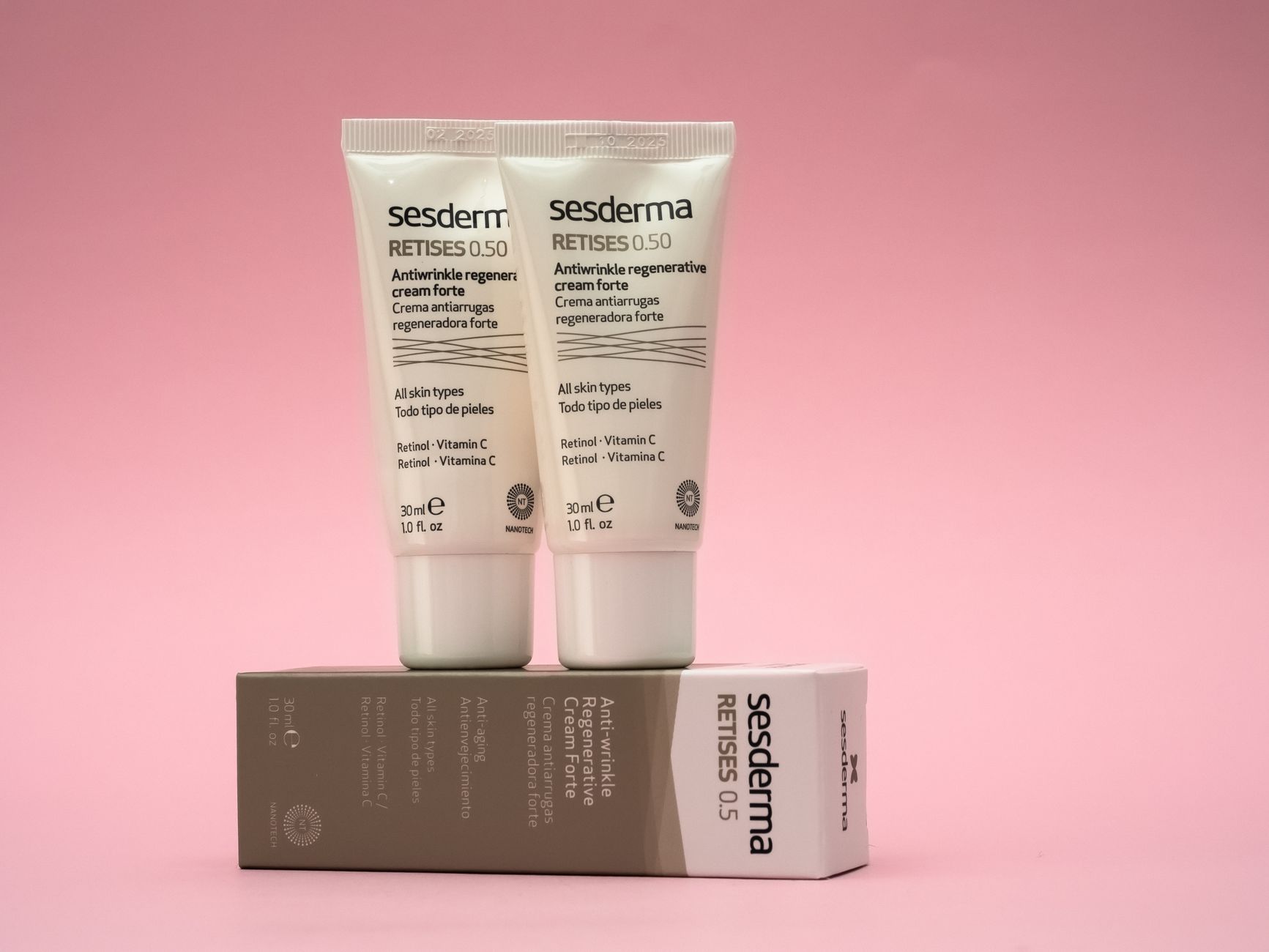
Some discoloration is better addressed with skincare than makeup. Active hyperpigmentation responds to vitamin C, niacinamide, and retinoids over time. Persistent redness might indicate a compromised skin barrier that needs repair, not concealment.
And sometimes, the most professional approach is the lightest one. Not every shadow needs obliterating. Skin that looks like skin, with its subtle variations in tone, often reads more believable than airbrushed uniformity.
The best color correcting makeup technique is the one that's invisible—where the correction has done its job so well that no one notices you've done anything at all.


