The Niche Perfume Gift Guide for People Who've Smelled Everything
Why artisanal fragrance houses make the most memorable presents—and where to start if you've never ventured beyond Sephora.
Why Niche Fragrance Makes Sense as a Gift
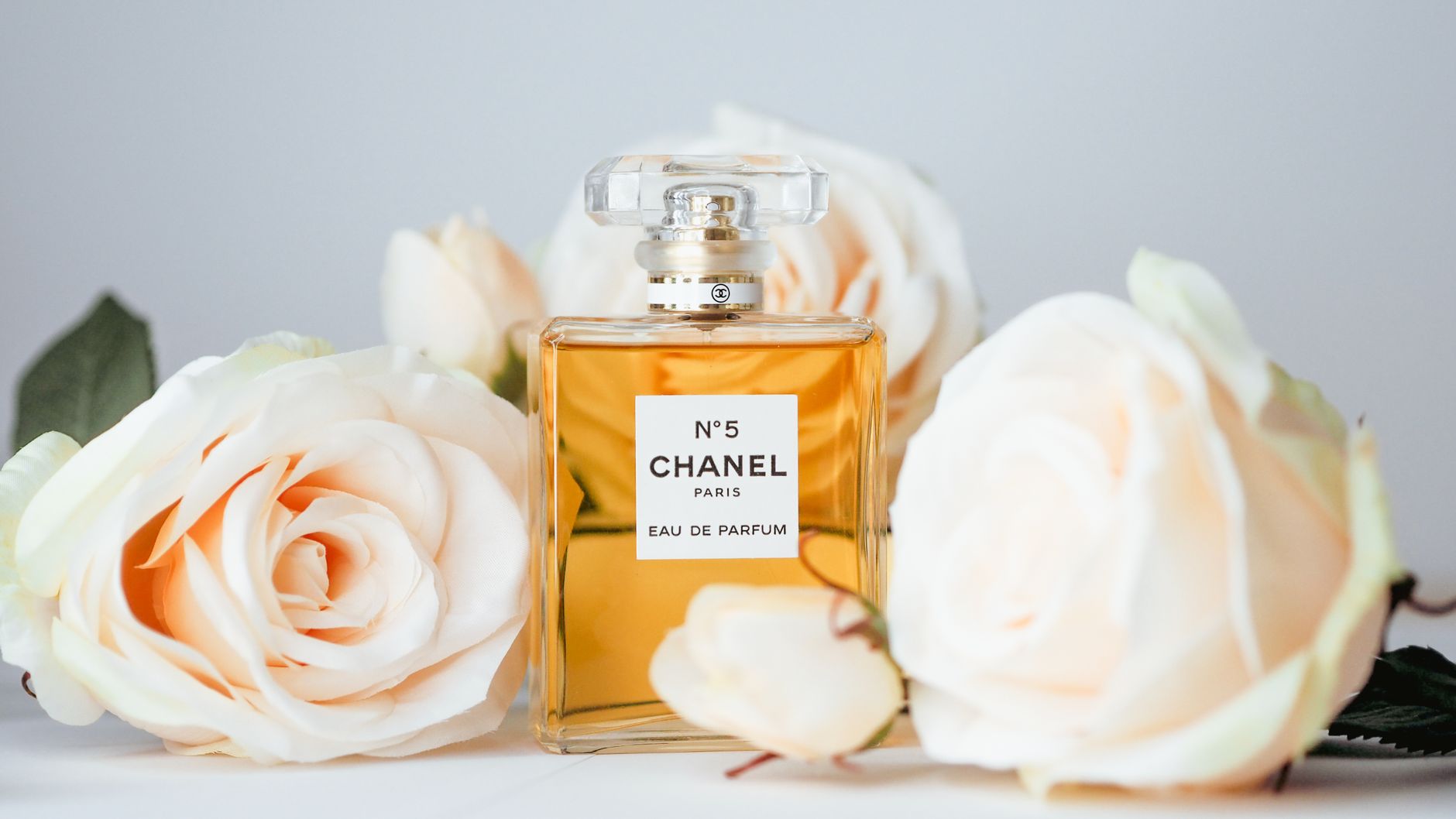
The person who has everything probably doesn't own a bottle of Serge Lutens or Byredo—and if they do, they'll appreciate that you know the difference. Unlike the ubiquitous designer scents lining department store counters, niche perfumes are created by independent houses with a singular vision, often helmed by a single perfumer who answers to no focus group. They're riskier, more conceptual, and refreshingly free from the tyranny of mass appeal. Which is precisely why they make such distinctive gifts.
This niche perfume gift guide isn't about steering you toward the safest choice. It's about finding something that feels personal, even if you've never smelled it on the recipient before. The beauty of artisanal fragrance is that it invites discovery rather than recognition.
What Actually Defines a Niche Perfume House
The term "niche" gets thrown around liberally, but it originally referred to independent brands producing perfume in smaller batches with higher concentrations of raw materials and fewer commercial constraints. Think Frédéric Malle, who gives star perfumers total creative freedom, or Diptyque, which started as a Parisian boutique selling fabrics and oddities before becoming synonymous with intellectual, well-travelled scent.
Today, the category has expanded. Some niche houses are now owned by conglomerates, while others remain fiercely independent. What unites them is a commitment to olfactory storytelling over broad marketability. They're allowed to be polarising. They can smell like incense and leather (Comme des Garçons) or fig leaves and cement (Diptyque's Philosykos) without worrying whether it'll move units at duty-free.
A few hallmarks to look for:
- Unusual note combinations that don't follow traditional perfume pyramids
- Minimalist or artistic packaging that signals craft over celebrity endorsement
- Higher concentration of fragrance oils (often eau de parfum or extrait)
- Limited distribution, typically through specialist retailers or the brand's own boutiques
- Transparent sourcing or collaboration credits with specific perfumers
Brands Worth Knowing for This Niche Perfume Gift Guide
Le Labo remains the gateway drug for many. The New York-based house hand-blends each bottle to order and labels it with your name and the date, which adds a bespoke touch even if the formula itself is standardised. Santal 33 may have become a cliché among a certain Brooklyn demographic, but Rose 31 and Thé Noir 29 still feel quietly subversive.
Maison Francis Kurkdjian occupies a sweet spot between accessibility and artistry. The eponymous founder created Le Male for Jean Paul Gaultier before launching his own house, and his work balances technical virtuosity with wearability. Baccarat Rouge 540 has become something of a modern classic—recognisable, yes, but still leagues away from anything you'd find in a glass case at Macy's.
For the more adventurous, Etat Libre d'Orange leans into provocation with names like Sécrétions Magnifiques and Fat Electrician. The French house treats perfume as conceptual art, which means some bottles will sit unworn while others become instant obsessions.
Byredo, founded by former basketball player Ben Gorham, brings a Scandinavian minimalism to fragrance. Gypsy Water and Bal d'Afrique have cult followings for good reason: they're distinctive without being difficult, and the monochrome packaging photographs beautifully.
If you're shopping for someone with genuinely esoteric taste, consider Comme des Garçons Parfums. The Japanese fashion house approaches scent with the same avant-garde sensibility it brings to clothing. Avignon smells like the inside of a cathedral; Blackpepper is exactly what it sounds like.
How to Choose Without Smelling First
Buying fragrance as a gift always involves some risk, but niche perfumes are more forgiving than you'd think. Because they're less literal and more abstract, they tend to adapt to the wearer rather than announcing a single, obvious character.
If you know the person gravitates toward woody, smoky, or green scents, start there. Most niche houses organise their collections by olfactory family. Discovery sets—small vials of multiple fragrances—remove the commitment and let the recipient explore at their own pace. Frédéric Malle, Diptyque, and Le Labo all offer beautifully packaged sets that feel generous rather than tentative.
And if you're still uncertain, a niche perfume gift guide like this one can help narrow the field, but ultimately the best gift is the one that signals you've thought beyond the obvious.
The Presentation Matters
One underrated advantage of artisanal fragrance houses: the unboxing experience. These aren't shrink-wrapped bottles shoved into laminated cardboard. Niche perfumes arrive in weighted boxes, wrapped in tissue, sometimes sealed with wax. Byredo uses thick, tactile packaging. Maison Francis Kurkdjian opts for elegant simplicity. Even the bottle design tends toward the architectural rather than the decorative.
It's the kind of gift that doesn't need additional wrapping, which is convenient if you're terrible at it.
Fragrance is intimate in a way most gifts aren't—it's worn on skin, it lingers in rooms, it attaches itself to memory. Choosing something from a niche perfume house signals that you've put thought into the gesture, that you're not just ticking a box. And in a world where everyone's Amazon cart looks identical, that alone is worth something.