The Night Shift: Luxury Bedding for Post-Menopausal Sleep
Temperature fluctuations don't have to mean sleepless nights. Here's how to rebuild your sleep sanctuary with textiles, tech, and a little French pragmatism.
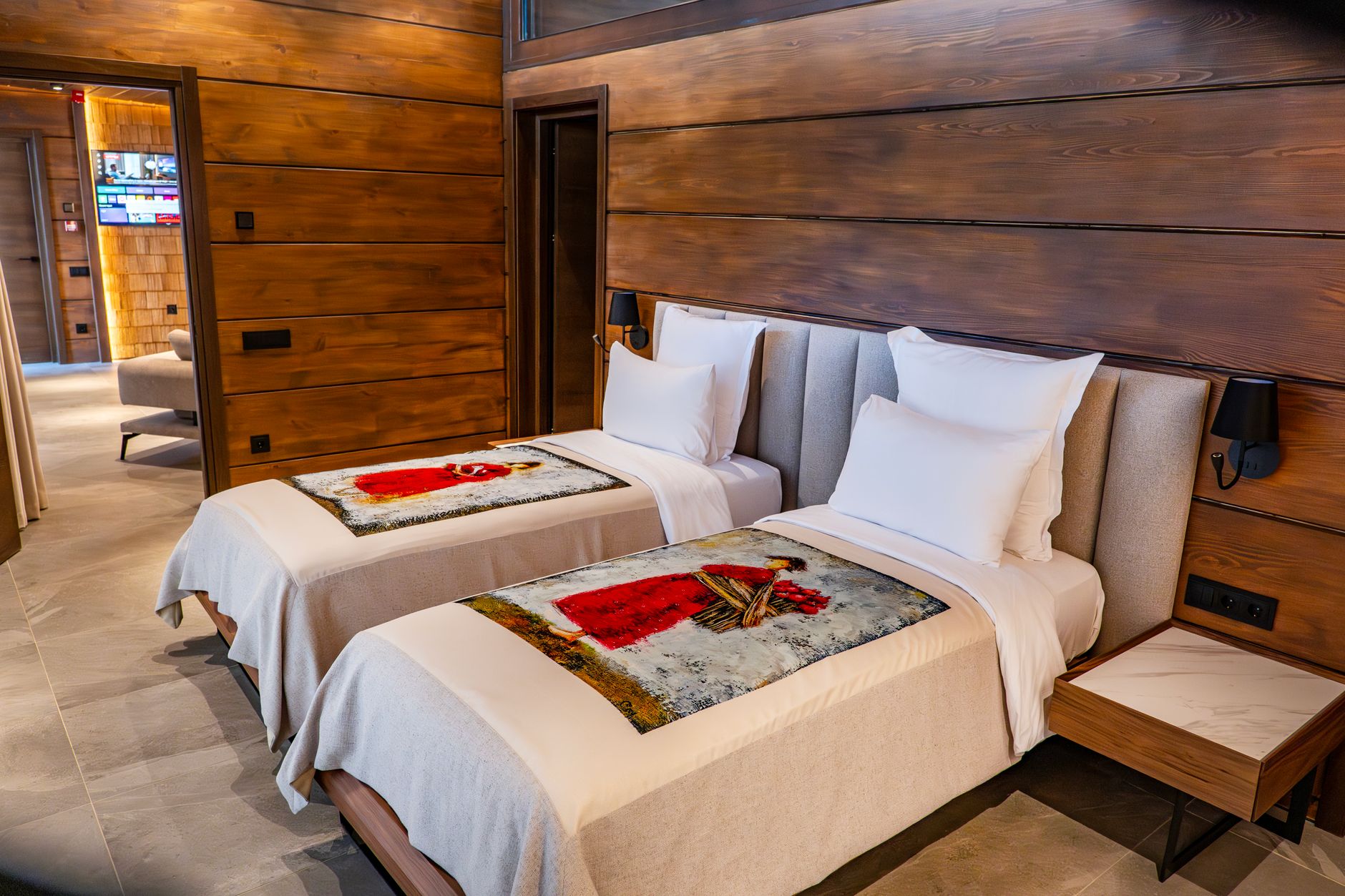
Why Standard Bedding Fails After Menopause
The average woman experiences night sweats for seven years post-menopause, yet most luxury bedding remains optimised for aesthetic rather than thermal regulation. Egyptian cotton sateen, while beautiful, traps heat. Synthetic microfibre wicks moisture but feels clinical. The challenge isn't just staying cool but managing the rapid temperature swings that fragment sleep architecture. Proper menopause sleep solutions require materials that respond dynamically, not just passively.
Linen remains the gold standard for thermoregulation, but not all linen performs equally. Belgian and French flax varieties have longer fibres that soften dramatically with age while maintaining superior breathability. Cultiver's stonewashed linen sheet sets offer that lived-in texture from the first night, eliminating the break-in period that makes new linen feel penitential. The weave density matters too: aim for 150-180 GSM for sheets that breathe without feeling insubstantial.
Eucalyptus-derived fabrics like Tencel and lyocell have moved beyond their eco-credentials to become serious performance textiles. Ettitude's CleanBamboo bedding uses a closed-loop process that yields fabric with 50% better moisture absorption than cotton, and the cool-to-touch sensation rivals that of silk at a fraction of the maintenance burden. Unlike bamboo rayon, which often disappoints in durability, these cellulosic fabrics hold their structure through countless washes.
Temperature-Regulating Technologies Worth the Investment
Phase-change materials, originally developed for NASA, have finally trickled down to consumer bedding with genuinely useful applications. Slumbercloud's Dryline sheets incorporate Outlast technology: microscopic capsules that absorb excess heat when you're warm and release it when you cool down. The effect is subtle rather than dramatic, but for women cycling through multiple temperature shifts per night, that modulation can mean the difference between four-hour and seven-hour sleep stretches.
Weighted blankets designed for hot sleepers sound contradictory but work remarkably well when engineered properly. Gravity's cooling weighted blanket uses a microfibre duvet cover with moisture-wicking grid channels and glass bead fill that doesn't retain heat the way traditional poly pellets do. The deep pressure stimulation helps with the anxiety and restlessness that often accompany hormonal sleep disruption, while the cooling tech addresses the physiological reality.
Consider layering strategy over single-solution thinking:
- Base layer: Linen or Tencel fitted sheet (never flannel or jersey)
- Mid-layer: Lightweight wool or cotton blanket for weight without warmth
- Top layer: Duvet with removable cover, filled with silk or Tencel rather than down
- Pillow protocol: Two pillows minimum, one cool gel-infused for flipping to the cold side
Beyond Bedding: The Sleep Environment
Menopause sleep solutions extend past textiles into environmental control. The Dyson Pure Cool humidifier does quadruple duty: it purifies air, humidifies without over-moistening, circulates air silently, and displays real-time environmental data. Maintaining 30-50% humidity prevents the dry mouth and nasal passages that often accompany night sweats, while the air circulation stops that stifling feeling without the harsh blast of traditional fans.
Blackout curtains from Rohl & Rohl use a thermal-backed linen that blocks light while actually insulating against temperature extremes. The difference between 68°F and 72°F bedroom ambient temperature might seem negligible, but it significantly impacts vasomotor symptom frequency.
Sleepwear deserves equal consideration. Eberjey's Gisele pajamas in modal-blend jersey offer the drape and softness of silk without the cling when damp. The relaxed fit prevents fabric from bunching or restricting circulation. Keep a second set on the nightstand for 3 a.m. changes—accepting rather than fighting the night sweat reality often reduces the anxiety that compounds sleep disruption.
The Long View
Quality menopause sleep solutions represent infrastructure investment, not indulgence. Belgian linen sheets improve for a decade. Tencel duvets maintain their performance through hundreds of wash cycles. Phase-change technology doesn't degrade. Unlike the supplements and devices marketed as quick fixes, premium sleep textiles simply work, night after night, without subscription fees or app updates.
Your sleep environment should evolve as your body does. That means reassessing what worked in your 30s and building something more responsive now—not as concession to age, but as refinement of self-knowledge.


