The Quiet Revolution: Luxury That Laughs at the Weather
Technical fabrics have shed their mountaineering aesthetic. Here's how the smartest houses are weaving performance into pieces you'd actually want to wear.

The New Guard
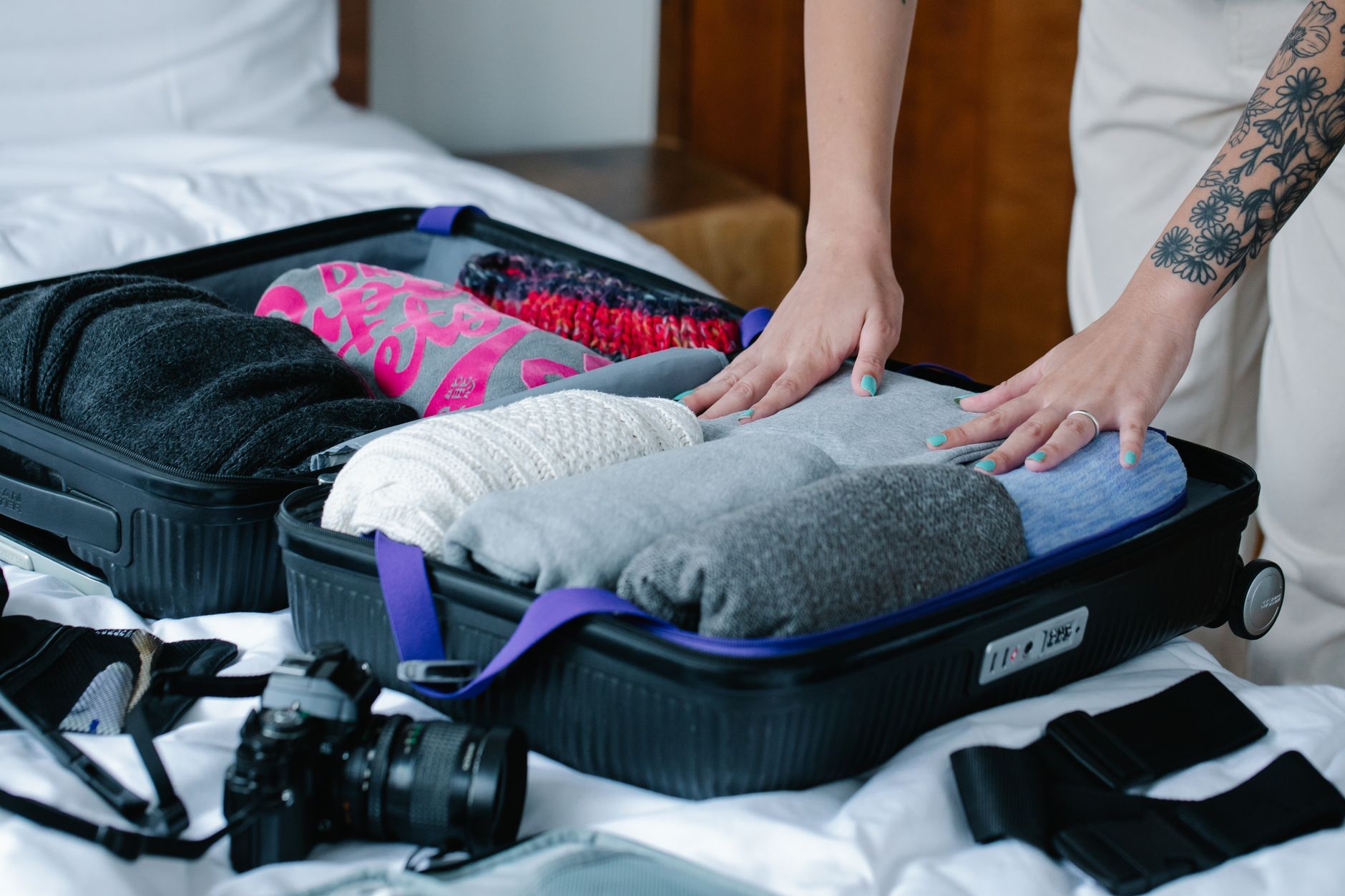
Packing for a week that promises both drizzle and sunshine used to mean compromise: either you looked good or stayed dry, rarely both. That calculus has shifted. The same mills supplying Loro Piana and Ermenegildo Zegna have spent the past decade perfecting weather-resistant luxury fabrics that behave like second skins—adaptive, breathable, and mercifully free of that telltale technical sheen.
This isn't about Gore-Tex blazers or nylon trenches that crinkle when you sit. The new generation of performance textiles borrows from aerospace and activewear engineering, then translates it into fabrics indistinguishable from traditional wool, cashmere, or silk. The result: a wardrobe that works as hard as you do, without announcing it.
What Actually Works
Loro Piana's Storm System remains the benchmark. Their tightly woven merino and cashmere blends repel water without coatings or membranes—the fibres themselves are treated at a molecular level. A Storm System overcoat looks and feels like any other Loro Piana piece, which is precisely the point. You're not wearing a raincoat; you're wearing a coat that happens to handle rain.
Brunello Cucinelli has taken a similar approach with their water-repellent cashmere, treating the yarn before it's even knitted. The hand remains soft, the drape natural, but light rain beads and rolls off rather than soaking through. It's the kind of subtle engineering that only reveals itself when the weather turns.
For travel specifically, consider these fabrications:
- Merino-nylon blends (60/40 or 70/30 ratios) for trousers that resist wrinkles and dry overnight
- Coated cotton gabardine for outerwear that reads as classic tailoring
- Technical silk-poly blends that pack down to nothing and shake out crease-free
- Stretch wool with water-resistant finishing for blazers that transition from plane to dinner without pause
Temperature Regulation: The Unsung Hero
Water resistance gets the headlines, but temperature regulation matters more for actual comfort. Weather-resistant luxury fabrics increasingly incorporate phase-change materials or hollow-core fibres that trap and release heat as your body temperature fluctuates. Outlier's merino pieces demonstrate this well—the fabric feels cool when you're warm, insulating when you're not, without that clammy sensation cheaper synthetics produce.
Zegna's Techmerino is another case study in intelligent construction. The wool exterior provides warmth and a refined appearance, while the interior layer wicks moisture away from skin. You can wear the same jacket through a chilly Paris morning and a stuffy museum afternoon without needing to shed layers conspicuously.
The best weather-resistant luxury fabrics don't just protect against external conditions—they create a stable microclimate between fabric and skin. That's what separates a £2,000 jacket from a £200 one, even when both claim to be "technical."
How to Actually Pack
Start with a core of pieces in performance fabrics, then layer in one or two purely aesthetic items. A weather-resistant wool-cashmere coat, two pairs of treated cotton or wool trousers, and a few merino knits will cover you for a week in most climates. Add a lightweight packable layer—Veilance and Arc'teryx Veilance make versions sophisticated enough for evening wear—and you're genuinely prepared.
The trick is choosing pieces where the technology serves the garment rather than defining it. If you find yourself explaining that something is "technical," it's probably trying too hard. The best weather-resistant luxury fabrics simply perform, quietly and without fanfare, exactly as luxury itself should.
Colour matters more than you'd think: mid-tones in navy, charcoal, olive, and taupe hide travel wear better than stark black or pale neutrals. Texture helps too—a subtle herringbone or birdseye weave camouflages the occasional crease that even performance fabrics can't entirely prevent.
The Long Game
These fabrics cost more upfront, but they're engineered to last. A properly constructed piece in Storm System wool will still be shedding rain a decade from now, while a coated cotton trench might need retreating after a few seasons. Factor in fewer dry cleaning bills (most weather-resistant luxury fabrics can be gently hand-washed), and the economics start to make sense.
More importantly, they collapse the space between "travel clothes" and "actual clothes." You're not packing a separate technical wardrobe anymore—you're simply choosing better versions of what you'd wear anyway.