The Renaissance of Tailoring: Why Precision Cuts Define 2025
Bespoke techniques are migrating from Savile Row ateliers to ready-to-wear collections, reshaping how we think about structure, fit, and permanence.
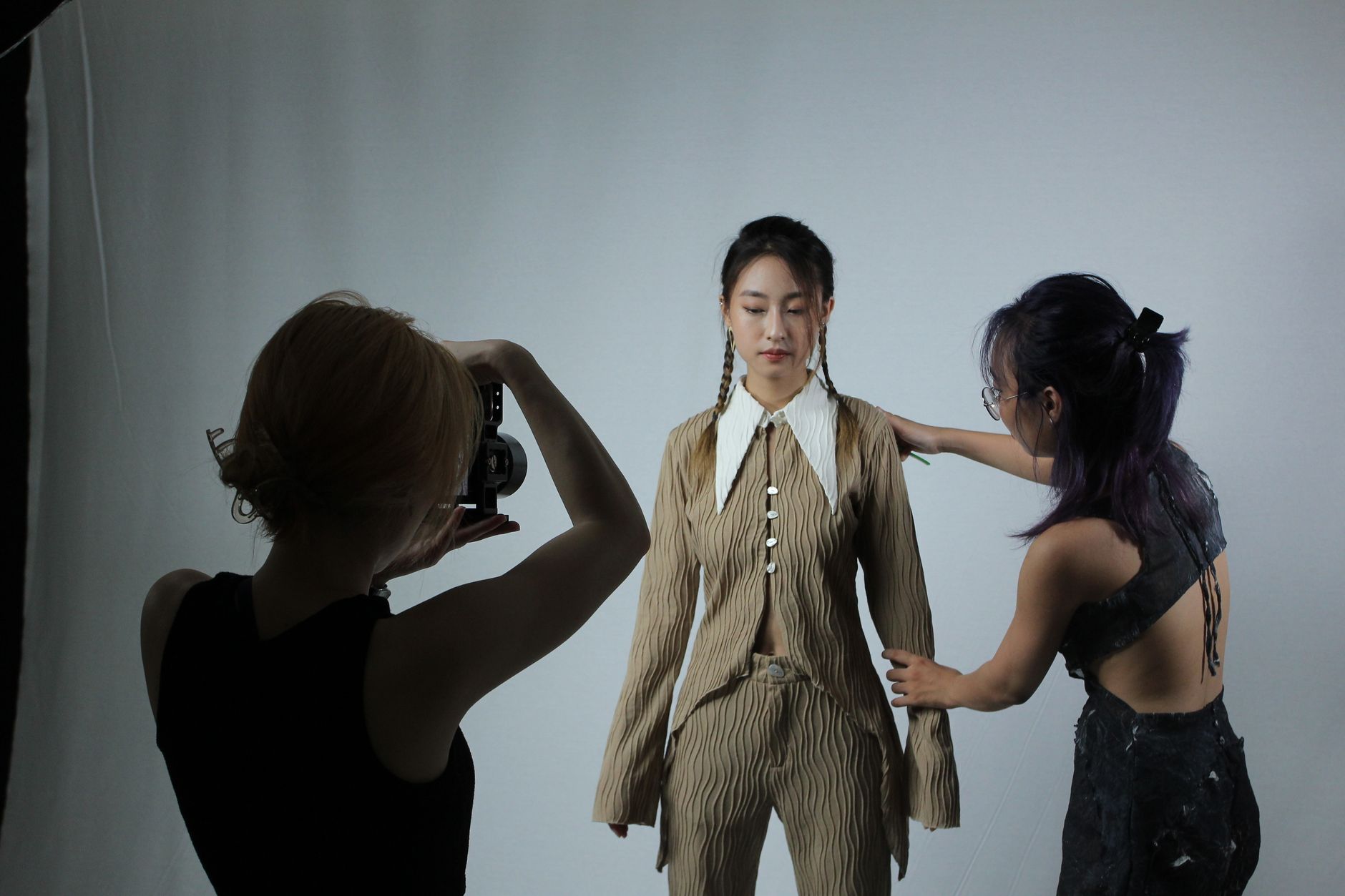
The Return of the Hand
Something shifted on the runways this season: shoulders sat differently, lapels curved with intention, and trouser breaks looked almost architectural. After years of slouchy ease and oversized rebellion, tailoring trends 2025 are demanding precision again—not the stiff corporatism of the early aughts, but something more considered, more permanent.
From Atelier to Assembly Line
The techniques once reserved for bespoke commissions are now appearing in ready-to-wear collections, and the difference is visible. Neapolitan shoulder construction—that soft, rolled silhouette achieved through hand-stitching and canvas layering—has moved beyond the domain of Rubinacci and into collections at The Row and Loro Piana. The result is jackets that mold to the body rather than impose upon it, creating a lived-in elegance that off-the-rack tailoring rarely achieved before.
Prada's menswear this season featured full-canvas construction in several suit jackets, a labour-intensive approach that uses horsehair canvas between the outer fabric and lining. It's the kind of detail you feel rather than see: the jacket moves with you, recovers its shape, ages gracefully. These aren't clothes designed for a single season's Instagram grid.
What's driving this shift isn't nostalgia—it's a growing literacy around garment construction. Customers are asking about pick stitching, functional buttonholes, and working sleeve buttons (often called surgeon's cuffs). They're noticing when a lapel has been properly pad-stitched to hold its roll, or when a collar sits flush against the neck without gaping.
The New Codes of Fit
Tailoring trends 2025 aren't about returning to restrictive silhouettes. Instead, designers are borrowing the precision of bespoke while maintaining the ease contemporary dressing demands. Key shifts include:
- Higher armholes that allow movement without excess fabric
- Suppressed waists with darts and seaming rather than simple rectangles
- Trouser rises that sit at the natural waist, eliminating the constant tug and readjustment of low-rise styles
- Shoulder pitch adjusted for natural posture rather than exaggerated breadth
- Sleeve heads with proper ease and pitch, eliminating the dreaded "divot" where arm meets shoulder
Khaite has been particularly astute here, translating these principles into womenswear with blazers that nip precisely at the waist and trousers cut with a high rise and gentle taper. The effect is streamlined without being severe, structured without feeling costumed.
The Fabric Conversation
Precision cutting demands fabrics that can hold a line. We're seeing a return to tightly woven wools, cavalry twills, and worsteds with body and memory. Linen blends are appearing in tailored pieces, but they're higher-weight than the wrinkled laissez-faire of recent summers—12-14 ounce fabrics that can support structure.
Brunello Cucinelli's spring collection featured suiting in Super 130s wool with enough substance to support clean lines while remaining breathable. These aren't the super-high-twist, tissue-thin suitings that dominated the 2010s and looked rumpled by noon. There's a recognition that fabric choice is inseparable from cut—that a well-drafted pattern needs material with integrity to execute properly.
Why This Matters Now
The tailoring renaissance isn't happening in isolation. It's part of a broader recalibration toward garments with longevity, pieces that justify their cost through construction rather than logo visibility. As fashion cycles accelerate and trend fatigue sets in, precision-cut tailoring offers an alternative: clothing that improves with wear, that can be altered and maintained, that doesn't announce its season of origin.
Tailoring trends 2025 also reflect a more sophisticated approach to professional dressing post-pandemic. The return to offices hasn't meant a return to rigid dress codes, but it has created space for intentional, well-made clothing that signals seriousness without stuffiness. A properly cut blazer or trouser communicates attention to detail in a way that leisurewear simply cannot.
The Investment Calculus
This level of construction comes at a cost, both in price and in the time required to find proper fit. But the equation has changed. A jacket with full canvas construction and hand-finishing will outlast three fused alternatives, and its silhouette won't date as quickly. The economics favor quality when garments are built to last decades rather than seasons.
For those unwilling to navigate bespoke commissions, the migration of these techniques into ready-to-wear offers a middle path. It requires trying on rather than clicking to cart, accepting alterations as standard practice, and understanding that proper fit may take several attempts. But the result is clothing that actually works—that sits correctly, moves naturally, and doesn't require constant adjustment throughout the day.
Tailoring has always been about problem-solving: how to create structure, ensure longevity, achieve comfort and elegance simultaneously. This season simply remembers that those problems were solved long ago. The techniques work. We just forgot to use them.


