The Scent-Sleep Connection: What Luxury Pillow Sprays Actually Do
From lavender's sedative compounds to the olfactory bulb's direct line to the limbic system, we examine how fragrance formulations influence sleep onset.
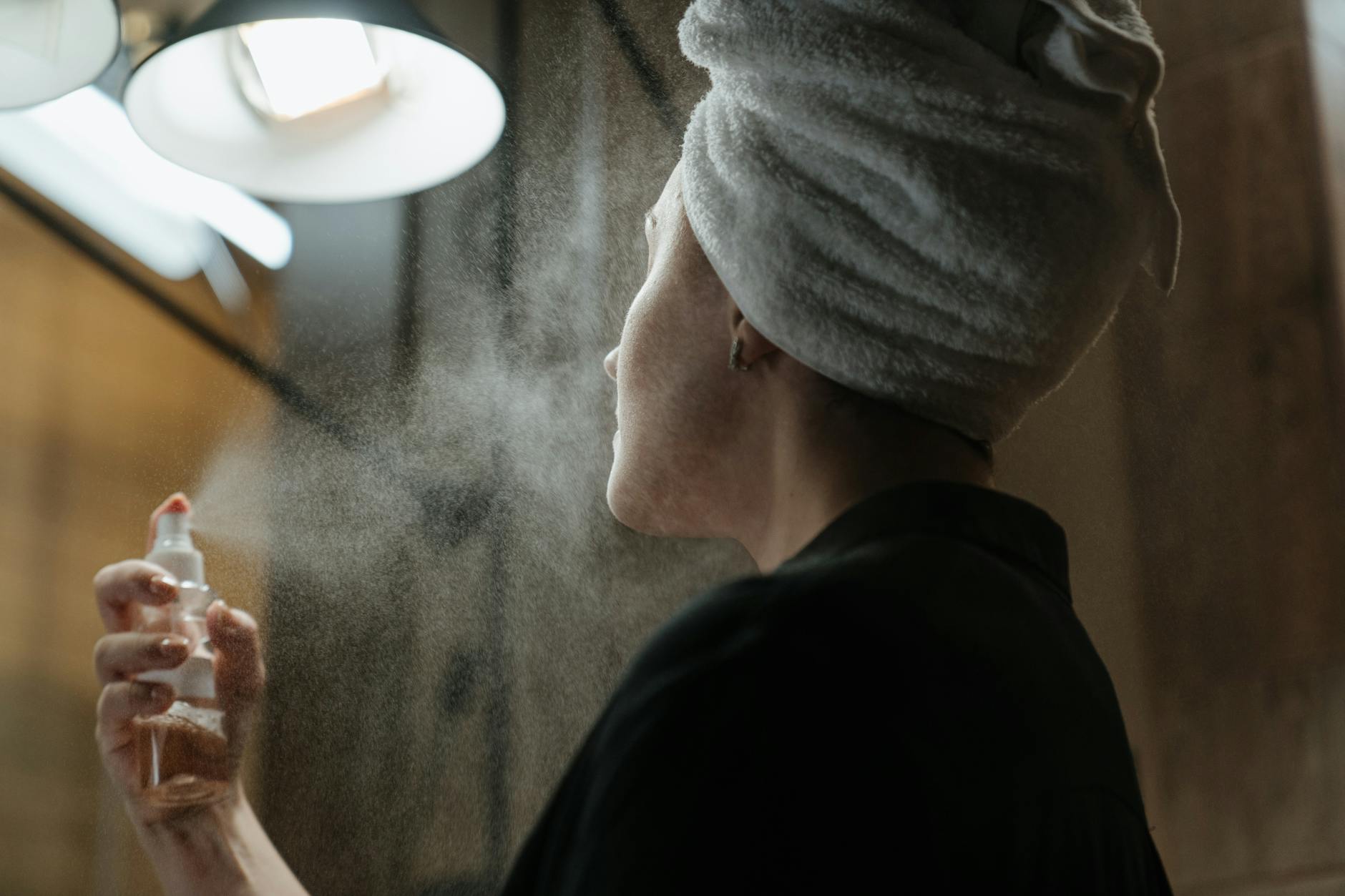
The Science Behind Spritzing Your Sheets
The ritual of misting your pillow before bed might seem like wellness theatre, but the neurochemistry behind pillow spray aromatherapy is surprisingly robust. When volatile aromatic compounds reach the olfactory epithelium, they trigger signals that bypass the thalamus and communicate directly with the amygdala and hippocampus—the brain regions governing emotion and memory. This anatomical quirk explains why scent can alter physiological states, including the transition from wakefulness to sleep, faster than almost any other sensory input.
Lavender's sedative properties, for instance, stem from linalool and linalyl acetate, terpene alcohols that modulate GABA receptors in ways similar to certain anxiolytics. A 2015 study in the Journal of Alternative and Complementary Medicine demonstrated measurable increases in slow-wave sleep among participants exposed to lavender oil vapour. The luxury fragrance houses that have entered the sleep-aid category understand this: they're not simply bottling pleasant smells but engineering specific molecular profiles.
What Separates a £12 Spray from a £45 One
The gap between mass-market pillow mists and their luxury counterparts lies in extraction methods, ingredient provenance, and formulation complexity. Pillow spray aromatherapy at the premium end typically employs steam-distilled or CO₂-extracted essential oils rather than synthetic fragrance compounds, preserving the full spectrum of bioactive molecules.
This Works Deep Sleep Pillow Spray, one of the category's most recognisable names, layers lavender with vetivert and wild camomile in an alcohol-water base. The vetivert adds earthy, grounding base notes while contributing its own anxiolytic sesquiterpenes. Meanwhile, Susanne Kaufmann's Pillow Spray leans into Alpine botanicals—lemon balm, hops, and stone pine—that reflect the brand's Austrian origins and its emphasis on terroir in wellness formulations.
Other distinctions worth noting:
- Carrier base: High-end formulas often use witch hazel or plant-derived alcohols that evaporate cleanly without leaving residue on fine linens
- Concentration: Luxury versions typically contain 2-5% essential oil content versus 0.5-1% in mass formulations
- Preservation: Natural preservation systems (radish root ferment, for example) rather than parabens or phenoxyethanol
- Bottle design: Pressurised misters that create a fine, even distribution rather than coarse spray pumps
The Ritual Component Matters More Than You'd Think
Here's where the science gets interesting: the placebo effect in pillow spray aromatherapy is not a weakness but a feature. Sleep researchers distinguish between 'sleep hygiene' and 'sleep ritual', and scent sits firmly in the latter category. The act of spritzing your pillow becomes a behavioural cue, a Pavlovian signal that tells your nervous system it's time to downregulate.
Diptyque's Brume Oreiller, formulated with rose and white musk, functions as much through its association with the brand's candle-lit, Left Bank aesthetic as through its actual aromatic compounds. The same applies to Byredo's Pillow Mist in Reine de Nuit, where the fig and papyrus notes create an olfactory environment that feels intentionally removed from daytime life. You're not just inhaling molecules; you're enacting a nightly boundary between waking and sleep states.
The most effective approach combines both elements: choose a formula with evidence-backed botanicals (lavender, bergamot, sandalwood, valerian), then use it consistently at the same point in your evening routine. The neurological pathways strengthen with repetition.
When Fragrance Becomes Counter-Productive
Not every scent profile suits sleep induction. Stimulating notes—citrus heavy on limonene, peppermint, rosemary—can increase alertness rather than diminish it. Similarly, overly complex gourmand or floral compositions may engage the conscious mind in a way that delays sleep onset. The best pillow spray aromatherapy formulations tend toward simplicity: three to five notes maximum, weighted heavily toward herbaceous, woody, or soft floral families.
Application matters, too. A light mist 10-15 minutes before bed allows the top notes to dissipate, leaving the calmer base notes to accompany actual sleep. Oversaturating your pillowcase can produce the opposite of the intended effect, creating olfactory fatigue or even mild headaches.
The Takeaway
The luxury sleep-scent category has matured beyond marketing into genuine functional wellness. The formulations work through overlapping mechanisms: bioactive compounds with measurable neurochemical effects, sensory rituals that reinforce circadian boundaries, and the simple pleasure of ending your day with something beautiful. Whether that's worth the premium depends on how much you value the intersection of efficacy and experience—but the science, at least, is no longer in question.


