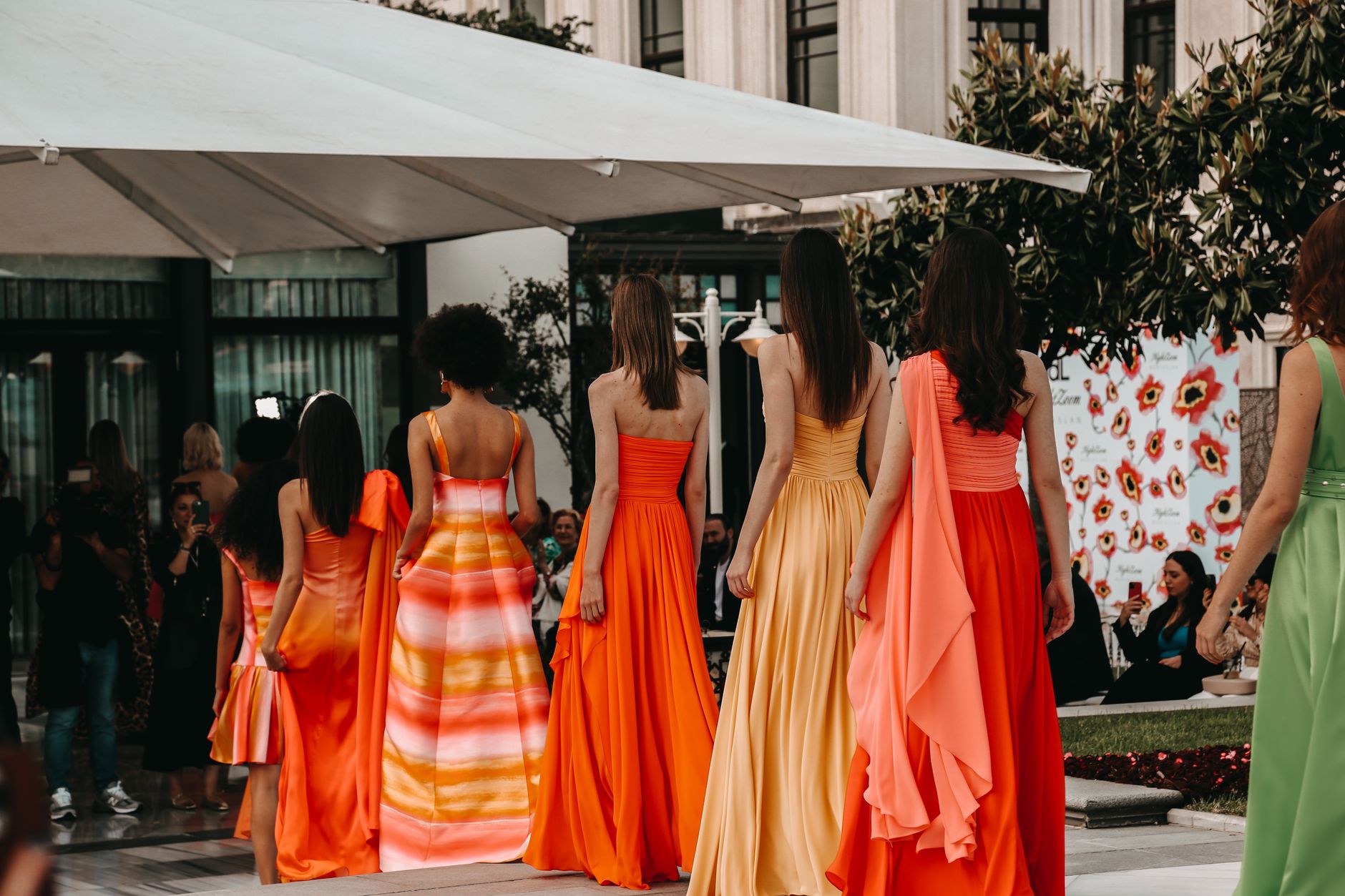
The Science of Joy: How Dopamine Dressing Colors Shift With the Seasons
From winter's saturated jewel tones to summer's citrus brights, understanding the psychology behind seasonal color can transform your wardrobe into a mood-lifting tool.

Winter: The Case for Saturated Jewel Tones
When daylight dwindles and grey skies settle in, our instinct might be to retreat into neutrals. But the most compelling dopamine dressing colors for winter are actually the richest, most saturated hues in the spectrum. Think emerald green, sapphire blue, and ruby red—shades that create visual warmth against the season's muted backdrop.
Color psychology research suggests that deeply saturated tones stimulate the brain's reward centers more effectively in low-light conditions. This explains why Bottega Veneta's jewel-toned leather pieces feel particularly resonant during the colder months, or why a vermillion cashmere knit from Loro Piana becomes more than just a jumper—it's a strategic mood intervention. The key is choosing colors with enough depth to hold their own against winter's visual flatness without disappearing into darkness.
Spring: The Psychology of Pastels and Brights
As light returns, so does our tolerance for complexity. Spring dopamine dressing colors occupy an interesting middle ground: soft enough to feel fresh, bright enough to register as optimistic. Powder blue, pistachio green, and blush pink work because they mirror the season's natural palette while offering gentle stimulation.
But spring also welcomes sharper contrasts. A canary yellow blazer or coral trousers feels less jarring when worn against budding trees and longer evenings. The Hermès spring collections often demonstrate this principle beautifully, pairing softer neutrals with unexpected pops of color that feel celebratory rather than aggressive. It's worth noting that pastels require careful consideration of undertones—cool pinks can feel clinical rather than cheerful if they clash with your natural coloring.
The Transitional Wardrobe Strategy
For those building a mood-boosting wardrobe across seasons, consider:
- One statement coat in a saturated primary color (red, cobalt, or emerald) that works from autumn through early spring
- Lightweight knits in unexpected brights (saffron, fuchsia, or tangerine) for layering
- Accessories in dopamine-triggering metallics that shift with changing light
- At least one print that combines multiple seasonal colors for transitional dressing
Summer: Maximum Saturation and the Science of Brightness
Summer is when dopamine dressing colors can reach their full intensity. The science is straightforward: abundant natural light allows our eyes to process more complex visual information, which means brighter, more saturated colors feel harmonious rather than overwhelming.
This is the season for Jacquemus's signature vivid blues and citrus yellows, or Valentino's shocking pinks. But the most sophisticated approach isn't simply choosing the brightest option available—it's understanding which bright colors create genuine joy versus visual fatigue. Hot pink and electric blue might seem like obvious choices, but they can be exhausting in large doses. More nuanced options like coral, turquoise, or chartreuse often deliver better results because they're complex enough to remain interesting.
The Italian approach to summer color is particularly instructive: think of how Pucci patterns combine multiple saturated tones, or how Missoni's knits layer brights in a way that feels energizing rather than chaotic. The lesson is that summer dopamine dressing colors work best when balanced with neutrals or combined thoughtfully with other hues.
Autumn: The Unexpected Power of Warm Tones
Autumn presents an interesting challenge. The natural landscape turns to rust, ochre, and burnt sienna—beautiful colors, but not traditionally associated with dopamine hits. Yet warm, spicy tones can be remarkably mood-lifting when worn intentionally.
The key is choosing warmer colors with enough saturation to feel deliberate. A proper saffron yellow or deep terracotta delivers more psychological impact than a muted camel or dusty brown. Chloé's autumn palettes often demonstrate how warming colors can feel both sophisticated and genuinely cheerful, particularly when rendered in tactile fabrics like suede or chunky knits.
Consider also that autumn is when jewel tones begin their return. A deep plum or forest green cardigan bridges the gap between summer's brights and winter's saturated darks, offering color payoff while acknowledging the changing light.
Building Your Year-Round Color Strategy
The most effective approach to seasonal dopamine dressing colors isn't about complete wardrobe overhauls. It's about understanding which colors genuinely affect your mood and how changing light conditions alter their impact. A color that energizes you in July might feel garish in January, while winter's perfect emerald could look heavy come April.
Start with one or two pieces per season in colors that feel genuinely joyful rather than theoretically correct. Pay attention to which shades you reach for instinctively on difficult days. That's your personal dopamine palette, and it's worth building around.