The Silk Eye Mask Has Grown Up
Once a throwback to golden age glamour, the silk eye mask now occupies serious real estate in both dermatologists' offices and beauty editors' overnight routines.
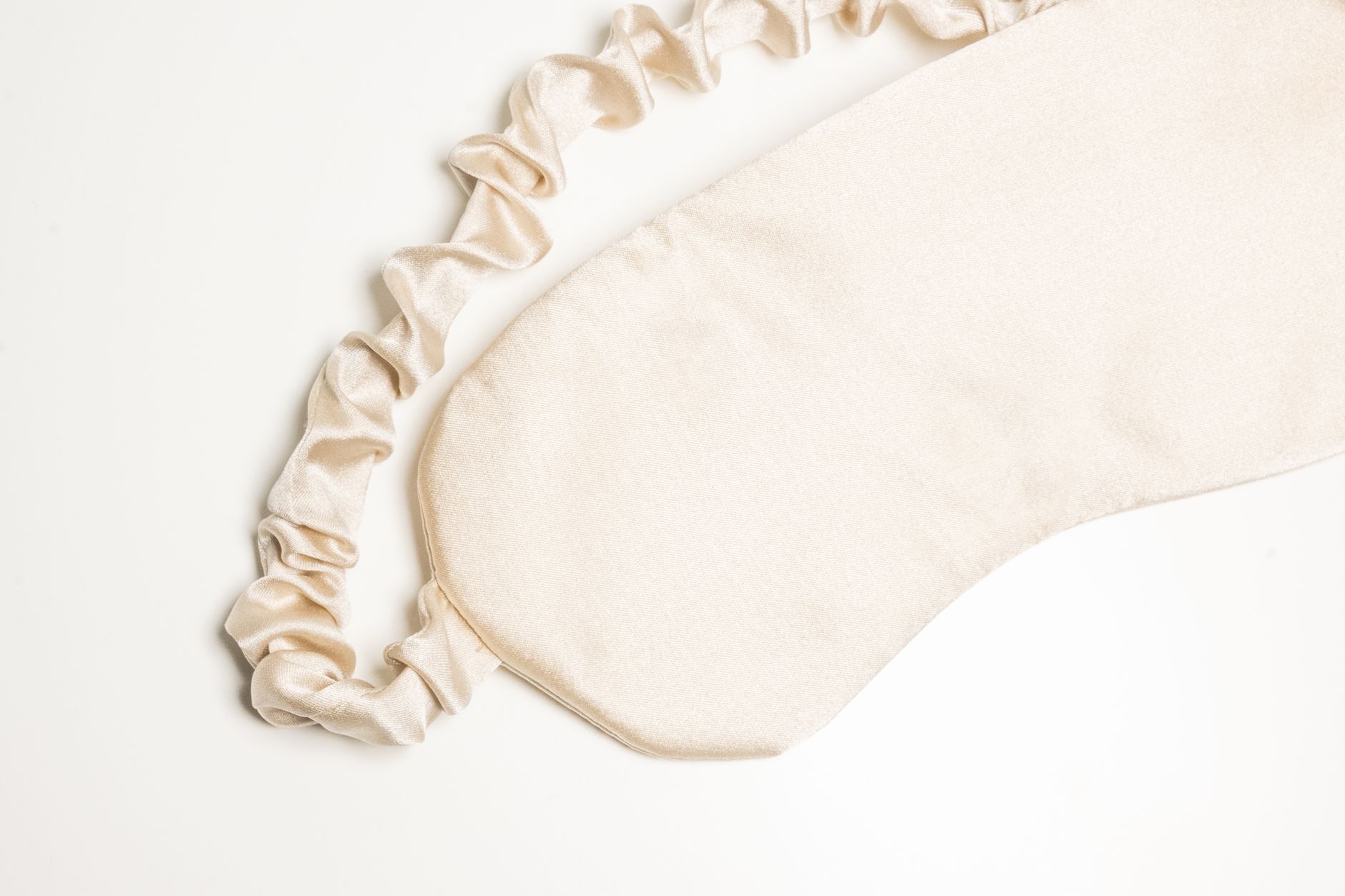
From Hollywood Prop to Skincare Staple
The silk eye mask spent decades confined to two cultural registers: Audrey Hepburn's Breakfast at Tiffany's costuming and transatlantic business class amenity kits. Somewhere between those poles, it became shorthand for a certain kind of performative self-care, the sort that looked better on Instagram than it felt in practice. But the science has caught up with the aesthetics, and what was once purely decorative now carries legitimate dermatological credentials.
The silk eye mask benefits extend well beyond blocking out light, though that remains its primary function. Mulberry silk, the grade used by most reputable makers, contains proteins and amino acids that sit closer to human skin composition than cotton or synthetic blends. This matters more than marketing copy would suggest: the material's low friction coefficient means less tugging on the delicate periorbital area during sleep, which translates to fewer fine lines over time. It's not anti-aging in the retinol sense, but as a preventive measure against mechanical stress, it holds up under scrutiny.
The Material Question
Not all silk performs equally. Momme weight (the unit measuring silk density) separates the serious from the decorative. Anything below 19 momme tends toward flimsy; 22 momme offers the sweet spot between durability and breathability. Slip, the Australian brand that effectively created the contemporary silk pillowcase market, applies this same logic to their eye masks, using Grade 6A mulberry silk with a charmeuse weave that feels cool against the skin without sliding off mid-sleep.
Lunya takes a different approach, integrating their Washable Silk™ technology (a treated mulberry silk that survives machine washing) into a contoured design that blocks light without pressure on the eyelids. The construction matters here: flat masks that rely on elastic tension can inhibit circulation or press against lash extensions, while anatomically shaped versions distribute contact more evenly.
Beyond the textile itself, silk eye mask benefits include:
- Moisture retention: Silk doesn't absorb skincare products the way cotton does, meaning your eye cream stays on your face rather than your mask
- Temperature regulation: Natural thermoregulation keeps the eye area cool, which can reduce morning puffiness
- Hypoallergenic properties: Silk resists dust mites and mold more effectively than most natural fibers
- Reduced friction: Particularly relevant for those using lash serums or dealing with eczema-prone skin
When Functionality Meets Luxury
The luxury market has responded to this shift from novelty to necessity with predictable enthusiasm. Olivia von Halle offers silk eye masks that match their pajama sets, positioning sleep as a continuous aesthetic experience rather than a utilitarian break from presentation. It's an appealing fantasy, though one could argue the mask works just as well without the £85 price point.
More interesting are the brands bridging wellness and fashion without the markup. Fishers Finery produces OEKO-TEX certified silk masks at a fraction of designer pricing, while Ettitude uses organic bamboo silk for those avoiding conventional sericulture. The democratization here feels genuine rather than performative; silk eye mask benefits shouldn't require a luxury budget to access.
The clinical side has taken notice too. Dermatologists increasingly recommend silk eye masks to patients using tretinoin or other retinoids, since the material won't absorb active ingredients or cause additional irritation during the adjustment period. Dr. Dennis Gross and other dermatologist-founded brands have entered the category, lending medical credibility to what was recently considered pure indulgence.
The Overnight Edit
What separates today's silk eye masks from their vintage predecessors is the understanding that sleep environment affects skin outcomes. This isn't about pampering (though that's a reasonable side effect); it's about reducing variables that contribute to premature aging. Friction, light exposure, product absorption into fabric rather than skin: these are quantifiable factors, not wellness theater.
The best approach treats the silk eye mask as part of an overnight system rather than a standalone solution. Pair it with a silk pillowcase to extend the low-friction benefits, apply eye cream after the mask is in place to prevent migration, and choose a design that actually stays put without requiring readjustment at 3 a.m.
The evolution from accessory to tool is complete. Whether that tool needs to come from a heritage house or a direct-to-consumer startup depends entirely on whether you're buying the silk or the story around it.


