The Smart Casual Formula: How to Dress for the In-Between
Decoding the workplace's most ambiguous dress code with styling frameworks that work whether you're facing clients or Zoom calls.
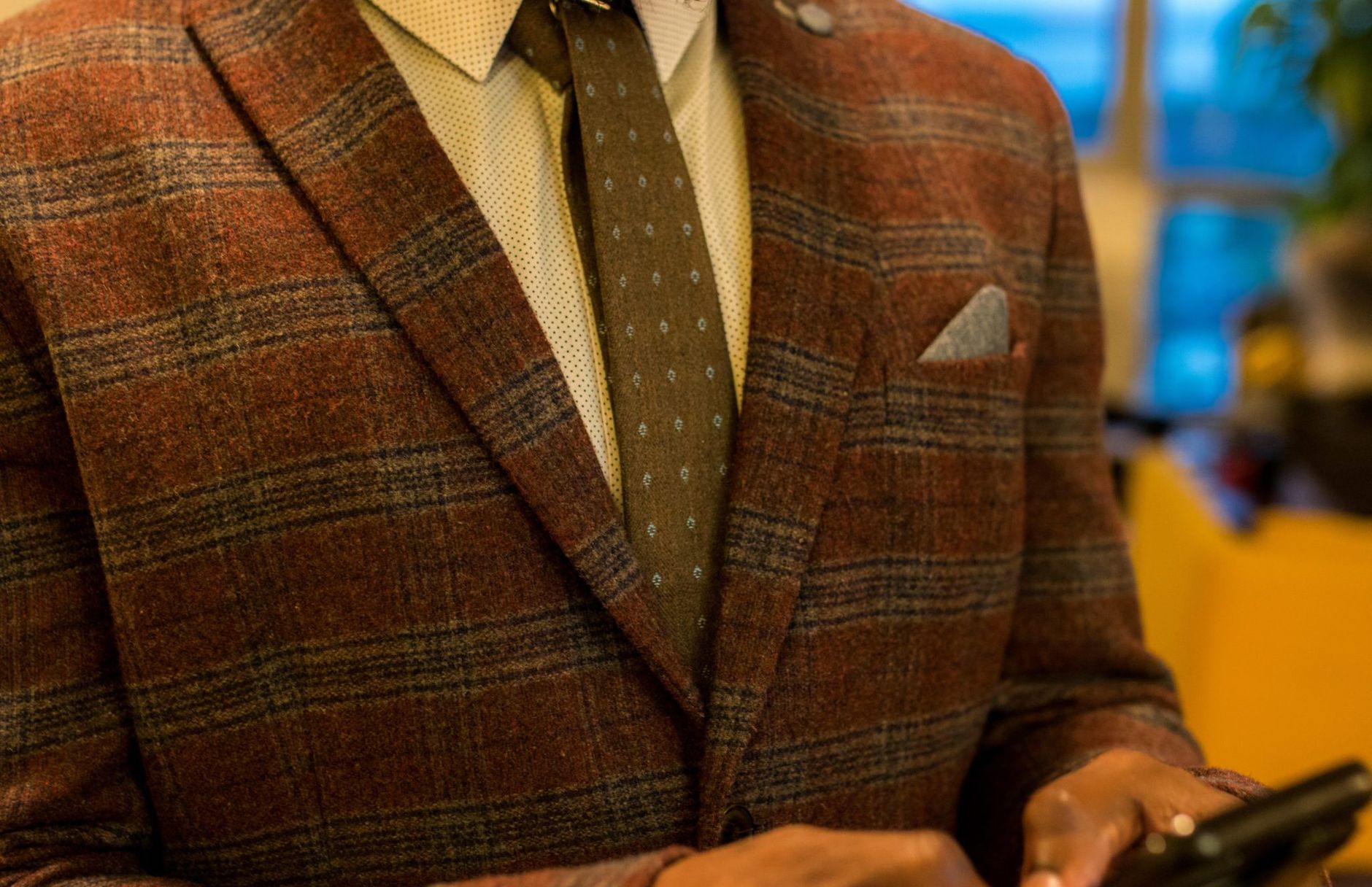
The Problem With Smart Casual
Smart casual is the sartorial equivalent of being asked to "make yourself comfortable" in someone else's home. The parameters are vague, the stakes feel oddly high, and you're left wondering whether showing up in tailored trousers makes you try-hard or appropriately dressed. The confusion is legitimate: this is a dress code that spans everything from tech offices to creative agencies to client-facing consultancies, each with their own unwritten rules.
The solution isn't a rigid uniform but a set of smart casual outfit formulas you can adapt to your specific environment. Think of these as starting points that balance professionalism with personality, polish with approachability.
Formula One: The Tailored Trouser Base
This is your foundational framework, appropriate for 80% of borderline professional settings. Start with tailored trousers in wool, cotton twill, or a textured blend. The key distinction: these aren't suit trousers. Look for slightly more relaxed cuts, perhaps with a gentle taper or a hint of texture. Incotex does this particularly well, offering trousers with the structure of formalwear but the hand-feel of something more casual.
Top options:
- Knitted polo shirt (long or short sleeve depending on season)
- Oxford cloth button-down, untucked if the hem is finished properly
- Crew-neck merino sweater over a collared shirt
- Casual blazer in an unstructured fabric like cotton, linen, or jersey
Footwear anchors the formula. Leather sneakers (Common Projects, Axel Arigato) keep things contemporary. Suede loafers or derby shoes lean slightly more traditional. Both work, depending on your office culture and personal style.
Formula Two: The Elevated Denim Approach
Denim in professional contexts requires calibration. The jeans need to be dark (true indigo or black), well-fitted (slim or straight, never skinny or distressed), and free of obvious fading or whiskering. Essentially, they should read as trousers first, jeans second.
Pair them with pieces that bring formality:
- A tailored knit blazer or sports jacket in navy, charcoal, or textured grey
- A fine-gauge merino or cashmere sweater (avoid chunky knits here)
- Leather shoes, not sneakers (this is non-negotiable if you want the formula to work)
- A structured shirt in poplin or twill, worn with the collar inside your sweater for a cleaner line
This smart casual outfit formula works particularly well in creative industries where denim is culturally acceptable but you still need to signal professionalism. The trick is ensuring every other element skews formal.
Formula Three: The Relaxed Tailoring Route
When your workplace leans casual but you have an important meeting or presentation, this framework provides structure without stiffness. Begin with an unstructured blazer in a softer fabric. Boglioli built its reputation on this exact piece: tailored jackets with minimal internal construction that drape like knitwear but maintain a jacket's silhouette.
Underneath, skip the dress shirt entirely. Instead:
- Merino crew-neck or fine-knit polo in a neutral tone
- Casual cotton shirt in oxford or chambray, worn open-collar
- Lightweight rollneck (autumn/winter only)
Bottom half: chinos, wool trousers, or even well-cut five-pocket trousers in a non-denim fabric. The overall effect should feel considered but not corporate, polished but breathable.
The Details That Calibrate
Smart casual outfit formulas succeed or fail based on finishing touches. A leather belt that matches your shoes (or at least complements them) signals attention to detail. A decent watch, whether mechanical or smartwatch, adds visual weight to your wrist without screaming effort. Avoid visible branding unless you work somewhere that specifically values it.
Socks matter more than you think. Matching them to your trousers elongates your leg line and looks intentional. Matching them to your shoes creates visual breaks that can work but requires more confidence to pull off.
Bag choice is equally telling. A leather briefcase or structured tote reads more formal; a canvas or technical fabric bag (Mismo, Ally Capellino) keeps things relaxed while still looking purposeful.
Making It Your Own
These smart casual outfit formulas aren't meant to be prescriptive templates but adjustable frameworks. Your specific workplace, role, and personal style will determine which elements to emphasize. The goal is always the same: looking like you understand the context, respect the environment, and still dress like yourself.
Start with one formula, wear it three times in different combinations, and notice how people respond. That feedback loop will tell you more about your office's actual dress code than any employee handbook ever could.


