Why Silk Pillowcases Actually Work: The Science Behind the Sleep
From momme count to amino acid structure, we separate the dermatological facts from the Instagram folklore around mulberry silk and its beauty claims.
The Textile Truth
Your pillowcase spends eight hours pressed against your face, absorbing moisture and creating friction with every unconscious turn. The question isn't whether this matters for your skin and hair, but which fabric minimizes the damage.
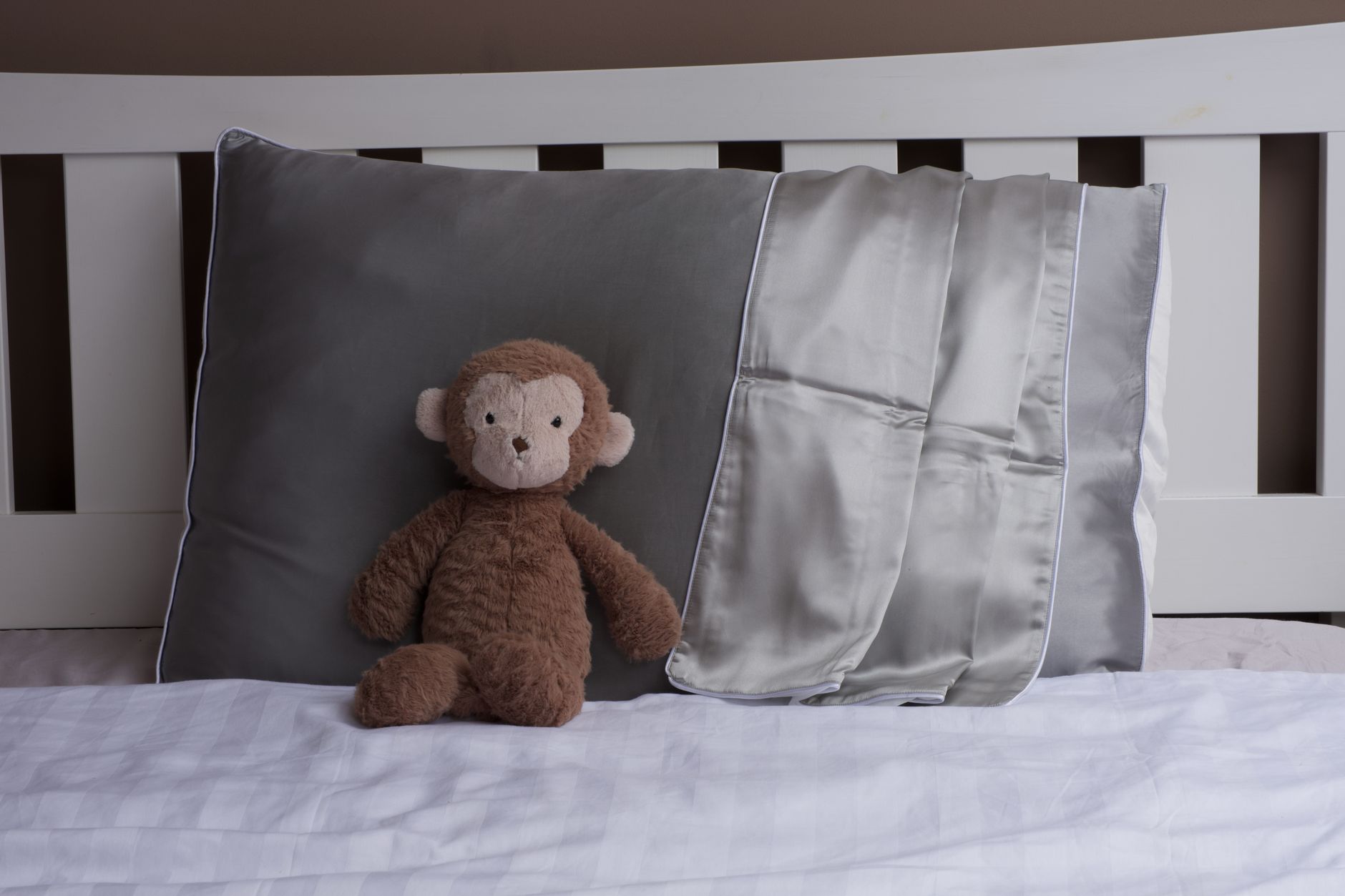
The case for silk rests on measurable properties, not marketing magic. Mulberry silk's triangular protein structure creates a naturally smooth surface at the microscopic level. When tested against cotton percale (the gold standard for breathable bedding), silk generates approximately 43% less friction, according to textile mechanics research published in the Journal of Cosmetic Dermatology. For anyone prone to sleep creases or brittle hair, that reduction translates to less mechanical stress on collagen fibers and cuticle layers.
Momme weight, the metric used to measure silk density, matters more than thread count ever did for cotton. The luxury silk pillowcase benefits become tangible at 19 momme or higher, where the fabric has enough body to maintain its smooth surface tension without pilling. Slip's pillowcases sit at 22 momme, while brands like Fishers Finery offer 25 momme options that feel noticeably more substantial (though whether you'll notice the difference in practice is debatable).
What Silk Actually Does for Skin
The hydration claim has scientific backing, though it's less about silk adding moisture than refusing to steal it. Cotton's cellulose structure is hygroscopic, meaning it actively absorbs water from whatever touches it. Silk's sericin protein coating resists moisture absorption, leaving your nighttime serums and natural lipid barrier relatively undisturbed. Dermatologists at the American Academy of Dermatology note this matters most for those using tretinoin or other actives that make skin temporarily sensitive and dry.
Silk is also naturally less hospitable to dust mites and bacteria than cotton, thanks to its tight weave and lower moisture retention. This doesn't make it antimicrobial (despite what some brands suggest), but it does mean fewer opportunities for microbial colonization between washes. For acne-prone skin, though, washing frequency trumps fabric choice every time.
The luxury silk pillowcase benefits extend to temperature regulation in ways that feel counterintuitive. Silk's protein fibers contain tiny pockets of air that insulate in winter but allow heat dissipation in summer. Unlike synthetic satins (usually polyester), which trap heat against the skin, mulberry silk actively wicks moisture vapor away from your face while maintaining a cool-to-touch surface.
The Hair Argument
Here's where silk's reputation gets genuinely interesting. The cuticle layer of human hair resembles overlapping roof shingles. Cotton's rough surface catches these scales, causing friction that leads to breakage and frizz. Silk's smooth, slightly alkaline surface (pH 7.5-8.5) allows hair to glide rather than snag.
Curly and textured hair types see the most dramatic results, since their naturally drier structure makes them more vulnerable to mechanical damage. Blowout longevity improves noticeably when you're not spending eight hours grinding your hair against absorbent cotton. Extensions, particularly tape-ins and hand-tied wefts, also last longer on silk since there's less tangling at the root attachment points.
The Alternatives Worth Considering
- Bamboo lyocell: More affordable, similar smoothness, better sustainability credentials, though slightly more absorbent than silk
- Tencel: Excellent moisture management, less slippery than silk (which some prefer), easier care
- High-grade satin weave cotton: Not the same friction reduction, but gentler than percale and more breathable than polyester satin
- Copper-infused fabrics: Emerging research on antimicrobial properties, though jury's still out on long-term efficacy
Beyond the Pillowcase
The same principles apply to sleep masks, scrunchies, and those increasingly common silk-lined beanies. Lunya's washable silk sleep mask uses 22 momme silk with adjustable straps that don't crimp hair. For scrunchies, Kitsch offers mulberry silk versions that genuinely reduce the crease marks left by conventional elastic bands.
Silk durability depends entirely on care. Hand-washing in pH-neutral detergent extends lifespan significantly, though most 19+ momme silk survives gentle machine cycles in mesh bags. The fabric weakens when exposed to deodorant, perfume, and certain skincare acids, so treat it as you would cashmere rather than everyday cotton.
The luxury silk pillowcase benefits are real, measurable, and most noticeable for people with specific concerns: fragile hair, sensitive skin, or an expensive blowout habit. Whether they're worth the investment depends less on the science than on how much you value those eight hours of reduced friction.