Fabric Weight Matters: Choosing Between Crepe, Charmeuse & Chiffon
A technical comparison of silk weights and their cooling properties in warm climates, from the drape of charmeuse to the breathability of chiffon.

The Weight Question No One Asks
Silk's reputation as a warm-weather fabric is partly myth, partly truth. The difference lies entirely in construction. A 19-momme charmeuse slip dress and a 6-momme chiffon blouse are both technically silk, but they'll perform like entirely different textiles when you're navigating a humid afternoon in Positano or a sweltering evening in Marrakech.
Understanding Momme Weight and Heat Management
Momme (abbreviated mm) measures silk's weight per 100 yards of fabric, 45 inches wide. The higher the momme, the denser and heavier the weave. Most lightweight silk fabrics sit between 6mm and 16mm, but that range contains significant variation in how they handle heat and moisture.
Chiffon typically weighs 6-8mm. Its sheer, loosely woven structure allows maximum air circulation. The fabric doesn't cling to skin when damp, which makes it genuinely practical in humidity rather than just aesthetically breezy. The trade-off is fragility and transparency. You're layering or lining, which can negate some cooling benefit.
Crepe de chine usually lands around 12-14mm. The signature pebbled texture comes from alternating S-twist and Z-twist yarns, creating a matte surface with more body than chiffon but less sheen than charmeuse. That textured surface means less fabric-to-skin contact, and the slightly heavier weight provides enough structure to drape without clinging. It's the middle ground that tends to pack best.
Charmeuse ranges from 12-19mm, with most ready-to-wear sitting at 16mm. The satin weave creates that liquid drape and high shine, but it's also denser. More silk threads per square inch means less ventilation. In practice, charmeuse feels cool initially against skin but can turn sticky in genuine heat. It excels in air-conditioned hotel bars, less so in outdoor markets.
How They Actually Wear in Heat
The cooling properties of lightweight silk fabrics depend less on the fibre itself and more on construction and fit. Silk wicks moisture efficiently, but if the fabric sits against damp skin without airflow, you're just wearing an expensive second skin.
What Works:
- Loose chiffon or georgette pieces with room for air circulation: oversized shirts, wide-leg trousers, unlined midi skirts
- Crepe de chine in relaxed silhouettes: the texture prevents full contact with skin even in fitted styles
- Charmeuse camisoles and slip dresses worn alone in dry heat, particularly evening wear when temperatures drop
- Silk-linen blends that combine silk's smoothness with linen's structure and breathability
The Row's crepe pieces demonstrate how weight can work in your favour. Their crepe de chine trousers use a 14mm fabric with enough heft to hold a clean line without clinging, and the matte finish reads as quietly expensive rather than overtly luxurious. Similarly, Totême's chiffon shirting typically uses an 8mm silk that's substantial enough to avoid looking costume-y while remaining genuinely breathable.
What Fails:
- Lined lightweight silk that traps heat between layers
- Bias-cut charmeuse that clings to every contour when damp
- Any silk worn tight without ventilation points
Packing Strategy for Warm Destinations
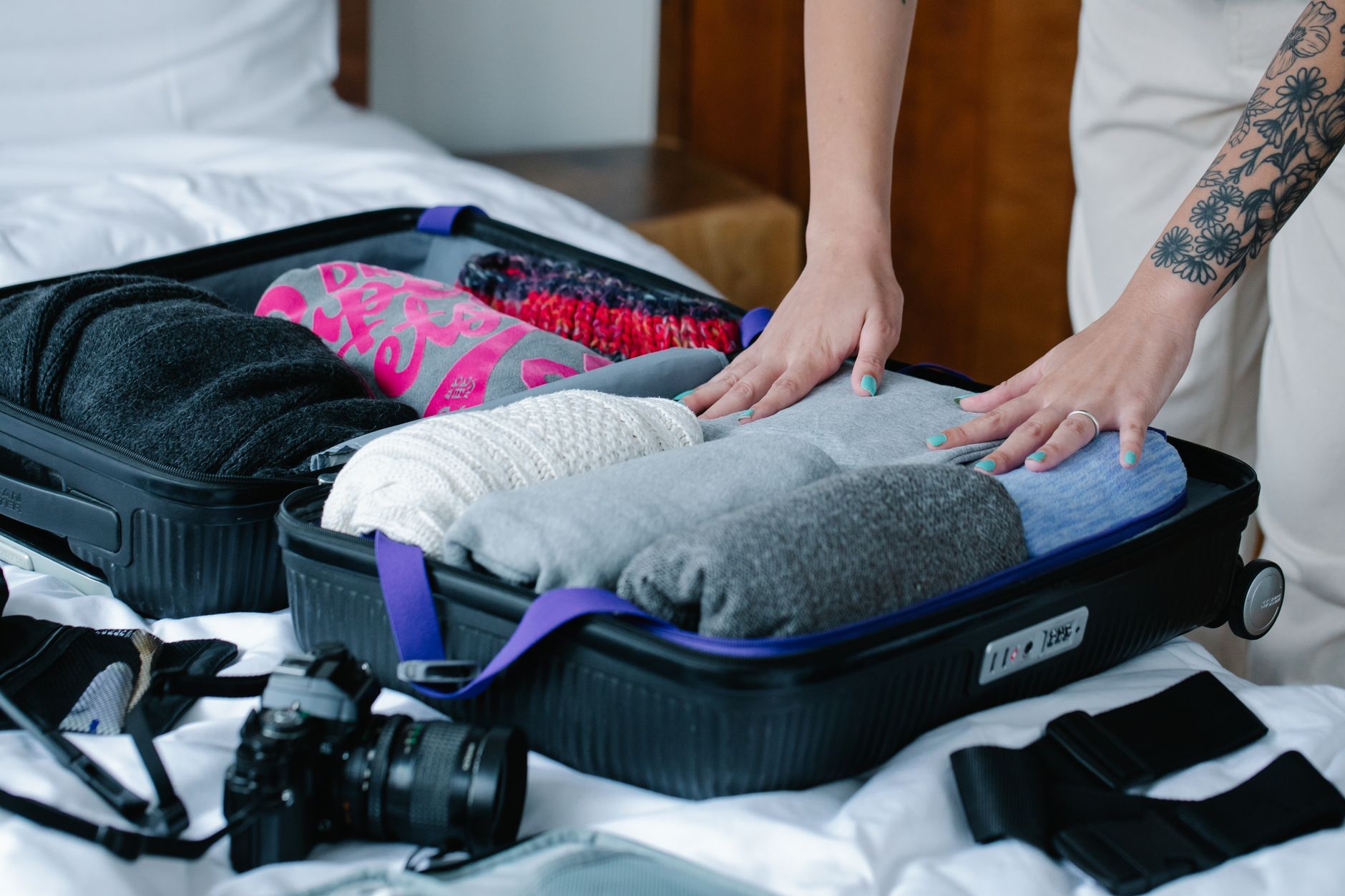
If you're building a capsule for heat, prioritize crepe de chine. It survives suitcase compression better than chiffon, requires less layering than sheer fabrics, and transitions from day to evening without the fussiness of charmeuse. A crepe shirt, wide-leg trousers, and a slip dress in the same colour family will cover most scenarios while actually keeping you comfortable.
Chiffon works as a secondary layer: a long-sleeve blouse over a linen tank provides sun protection without adding significant warmth, and the sheerness means you're not doubling fabric weight.
Save charmeuse for specific evening moments. A 16mm slip dress for dinner, worn with nothing underneath in dry climates, can feel like wearing almost nothing. But that same dress in coastal humidity becomes immediately regrettable.
The technical reality of lightweight silk fabrics is that momme weight alone doesn't determine comfort. A 6mm chiffon dress with a polyester lining will trap more heat than a 14mm crepe piece cut with ease and worn alone. Understanding the interaction between weight, weave, and silhouette means you can actually use silk for its intended purpose rather than packing it optimistically and reaching for cotton every time.
Fabric weight isn't precious insider knowledge. It's printed on care labels, listed in product descriptions, and it's the difference between silk that works and silk that wilts.