How Geography Dictates What You Actually Wear to the Beach
From the Cyclades to Barbados, why your swimwear drawer should account for more than just aesthetic—and how sun, sea, and setting rewrite the rules.

The Water Tells You Everything
The Mediterranean laps at 24°C in August; the Caribbean holds steady at 27°C year-round. That three-degree difference explains why you'll find yourself reaching for a long-sleeved rash guard in Saint Barthélemy but perfectly content in a triangle bikini on the Amalfi Coast. Resort wear by destination isn't about packing more—it's about packing smarter, with an eye to climate specifics that guidebooks gloss over.
Water temperature dictates how long you'll stay in, which in turn shapes what you wear out of it. In the cooler Aegean, you're in and out quickly, sunbathing between dips. In Turks and Caicos, you're submerged for hours, snorkeling until your fingers prune. The former calls for fast-drying fabrics and cover-ups you'll actually use; the latter demands UPF protection that works wet and styles that don't chafe after three hours in saltwater.
Sun Intensity and the Latitude Lesson
The Caribbean sits between 10° and 25° north of the equator. The Mediterranean spans 30° to 45°. That latitude gap translates to measurably fiercer UV exposure in the tropics, where the sun strikes more directly and atmospheric filtration does less work. You feel it within twenty minutes: the Caribbean sun has teeth.
This is where resort wear by destination becomes a question of dermatology, not just style. In Mykonos, a linen shirt over your Eres one-piece suffices for lunch at Scorpios. In Harbour Island, you want a tightly woven poplin button-down or a purpose-built UPF tunic—Marysia's crinkle-cotton styles work beautifully here—because that same breezy linen offers negligible sun protection when the UV index climbs to 11.
Fabric choices worth noting:
- Linen and cotton gauze: Ideal for Mediterranean evenings and low-intensity sun exposure, less effective in high-UV tropical zones
- Tightly woven poplin and oxford cloth: Better UV barrier, still breathable, works across both climates
- Technical UPF fabrics: Non-negotiable for extended Caribbean water time; look for ratings of 50+
- Silk and satin: Elegant for aperitivo hour in Positano, impractical when humidity tops 80% in Mustique
Cultural Context and the Dress Code You Don't See Written
The Mediterranean carries centuries of Catholic and Orthodox influence; the Caribbean, a layered colonial and post-colonial identity. Both inform how much skin feels appropriate beyond the beach club.
In Santorini or Capri, walking from beach to taverna in a bikini and sarong reads as tourist naïveté. Locals expect a dress, even a simple slip style, once you're off the sand. The French Riviera takes this further—Saint-Tropez practically requires a shirt dress from Jacquemus or a crisp poplin shirtdress for any meal that involves sitting down.
The Caribbean tends toward more relaxed codes, but nuance matters. On islands with significant local populations (Jamaica, Barbados), covering up in town shows respect. On more resort-dense islands (Anguilla, Parrot Cay), the line between beach and lunch blurs, and resort wear by destination means fluid pieces that transition without fuss: wide-leg linen trousers, a well-cut one-piece that reads as bodysuit under high-waisted shorts, a caftan that looks intentional rather than improvised.
The Practical Edit
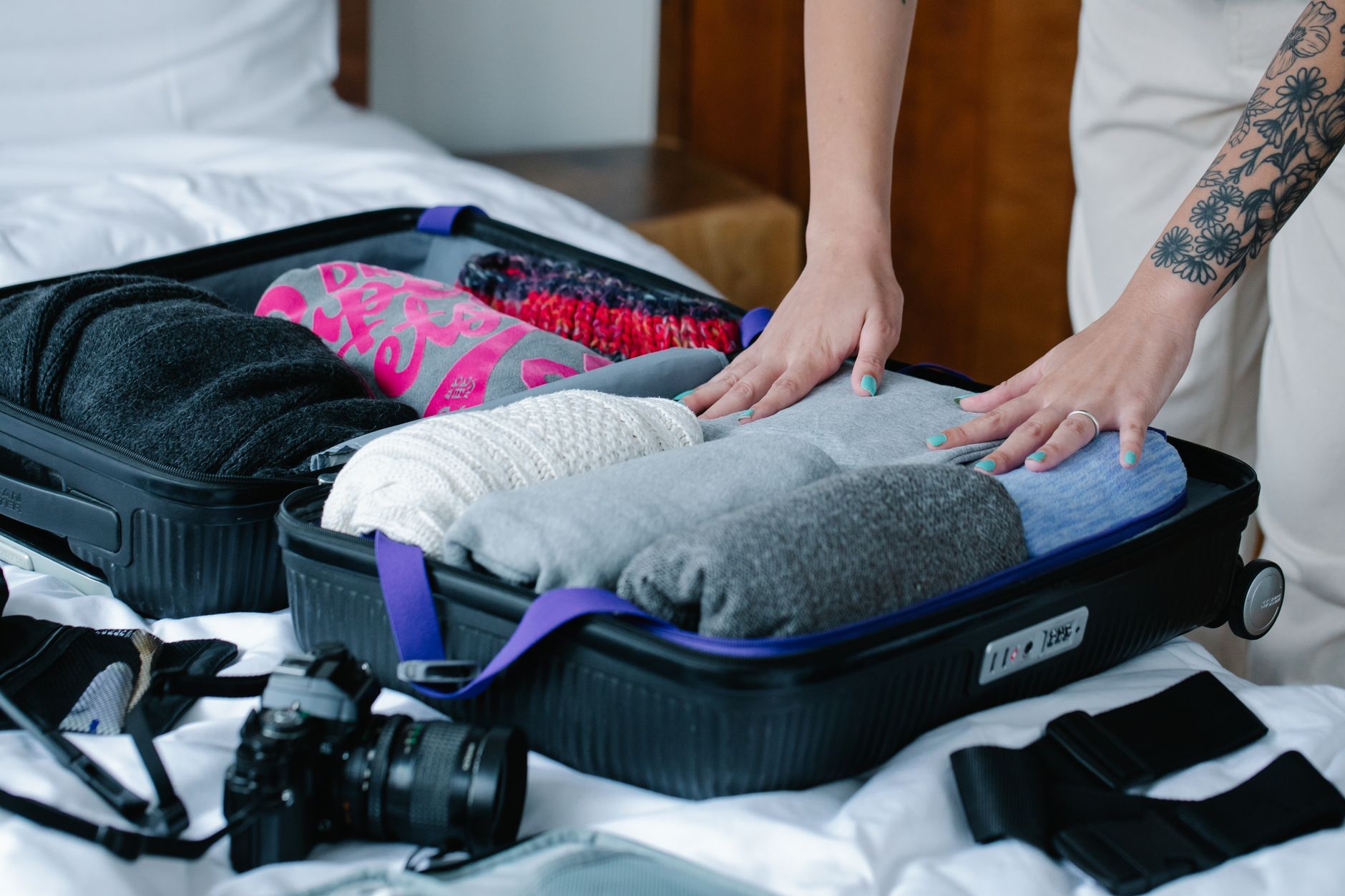
Mediterranean packing favors multiplicity: several swimsuits that dry quickly, natural-fiber cover-ups, espadrilles that work on cobblestones, a good hat with a structured brim. You're moving through villages, climbing steps to cliffside restaurants, sitting on painted wooden chairs. Delicate crochet and trailing hemlines photograph well but snag on everything.
Caribbean packing prioritizes durability and sun defense: fewer swimsuits in quick-dry technical fabrics, long-sleeved swim tops for snorkeling, reef-safe sunscreen that won't streak your white linen, water shoes that don't look orthopedic. Reformation's swim line offers chlorine-resistant fabrics that hold color in harsh sun, while Lisa Marie Fernandez's classic bonded styles maintain structure even after repeated saltwater exposure.
The smartest approach to resort wear by destination treats geography as the first editor of your suitcase. Let latitude, water temperature, and cultural context make the cuts, and you'll arrive with exactly what the place demands.
What Actually Travels
The pieces that work everywhere share certain qualities: they're cut well enough to look intentional, substantial enough to protect skin, and unfussy enough to hand-wash in a hotel sink. A black one-piece swimsuit. A white button-down in tightly woven cotton. A slip dress in matte jersey. Flat sandals with ankle support.
Resort wear by destination doesn't mean separate wardrobes. It means understanding that the same linen dress that feels perfect at sunset in Paros will leave you sunburned and underdressed in Tulum. Pack for the place, not the fantasy.