Safari Dressing: Why Kenya and South Africa Call for Different Wardrobes
From the Maasai Mara to the Sabi Sands, terrain and light dictate everything from your linen weight to your boot height. Here's how to pack accordingly.
The Light Changes Everything
The golden hour in Kenya's Maasai Mara hits differently than in South Africa's Kruger lowveld, and your wardrobe should reflect that. Where East African light skews cooler and bluer at altitude, the Southern African bush bathes everything in warm amber. It's not just romantic travel writing; these atmospheric differences genuinely inform which luxury safari outfit styles photograph well and, more importantly, keep you comfortable across twelve-hour game drives.
Kenya's higher-elevation reserves (the Mara sits at roughly 1,500 meters) mean mornings start genuinely cold. South Africa's Sabi Sands and Kruger, by contrast, operate at lower altitudes with less dramatic temperature swings but higher humidity, especially November through March. The practical upshot: your packing list needs to account for layering in Kenya and breathability in South Africa.
East Africa: Neutrals with Altitude
Kenyan safari style leans into mid-weight fabrics and a narrower color palette. The terrain is drier, dustier, and the red ochre soil means anything too light shows every speck. Think:
- Khaki and olive in substantial cotton or linen blends (not the gossamer-weight stuff that wrinkles into oblivion)
- Closed-toe boots with ankle support for walking safaris and uneven volcanic rock
- Cashmere wraps or lightweight merino layers for dawn drives when temperatures can dip to 10°C
- Long sleeves as default, both for sun protection and those genuinely chilly starts
Brunello Cucinelli's safari jackets work beautifully here—the weight is substantial enough for layering without bulk, and the construction holds up to the dust. Similarly, Loro Piana's storm system pieces make sense in the Mara's unpredictable weather, though they veer formal for some camps.
The color story in East Africa is earthy and muted. You're dressing for a landscape of tawny grasses, acacia trees, and that famous red soil. Cream, sand, olive, and soft grey are your anchors. Save the crisp whites for sundowners back at camp.
Southern Africa: Lighter, Looser, More Color
South African luxury safari outfit styles allow for more flexibility and, frankly, more fun with color. The lowveld's dense vegetation and warmer palette mean you can introduce soft pinks, faded corals, even pale blues without looking out of place. The humidity also demands different fabrication:
Lightweight linens and cotton voiles become essential, not optional. Zimmermann's linen shirting, for instance, manages to look polished while actually breathing. The Australian brand's ease translates well to the Sabi Sands' relaxed-luxe vibe.
Footwear shifts too. While you'll still want closed-toe options for bush walks, canvas sneakers or lightweight trail shoes suffice for most South African lodge environments, which tend toward manicured paths rather than Kenya's rockier terrain. And because temperatures rarely plunge at dawn, you can build outfits around single, breathable layers rather than an onion of thermals and wraps.
The silhouette here skews slightly more relaxed. Wide-leg linen trousers, oversized shirts, slip dresses for evening. Where Kenyan camps often lean traditional (think Out of Africa formality at dinner), many South African lodges embrace a California-casual approach. You're more likely to see Totême's easy tailoring than structured safari jackets.
What Travels Between Both
Certain pieces prove universally useful regardless of which side of the continent you're exploring:
- A good wide-brimmed hat (Janessa Leone or Lack of Color both pack flat)
- Polarized sunglasses (the glare off dry grass is no joke)
- Neutral scarves for dust protection and impromptu head coverings
- One smart-casual evening outfit that works at room temperature
The best luxury safari outfit styles share certain DNA: natural fibers, neutral foundations, and construction that can withstand dust, heat, and the occasional thorn bush. But the regional differences matter more than most packing lists acknowledge.
Pack for Where You're Actually Going
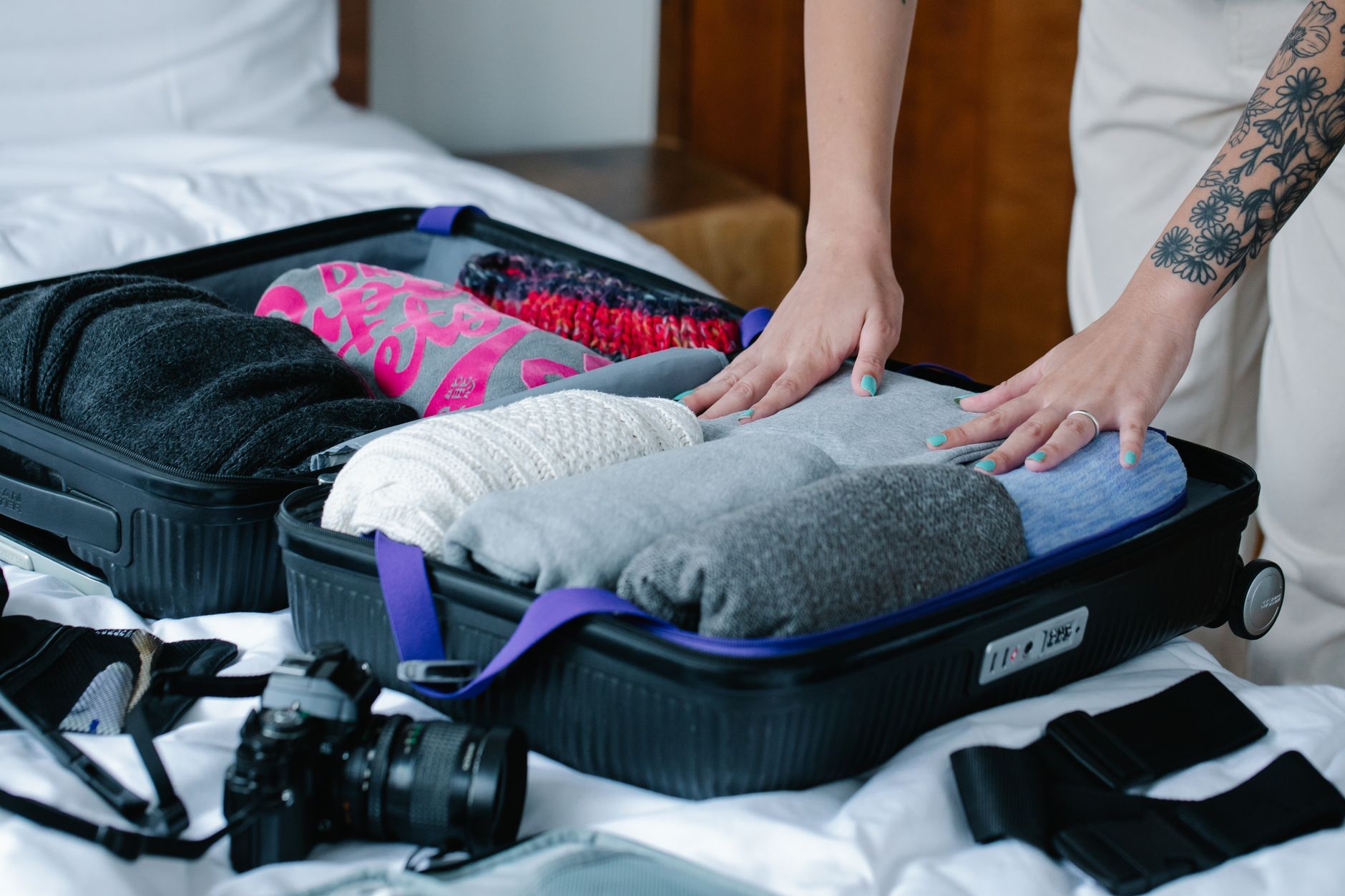
Too many first-time safari-goers pack a generic "African bush" wardrobe and end up either sweating through layers they don't need or shivering through a Mara dawn in linen meant for the tropics. The smarter approach: research your specific destination's elevation, season, and typical lodge style, then build from there.
Your Kenyan wardrobe should prioritize warmth and durability. Your South African kit can embrace lighter weights and a slightly broader color range. Both require sun protection, good boots, and fabrics that actually breathe. And neither, despite what certain packing lists suggest, requires head-to-toe beige.