Silk vs. Linen: Which Fabric Rules Each Destination?
From the humidity of Marrakech to the crisp air of Copenhagen, we settle the silk versus linen travel debate with climate science and sartorial common sense.

The Eternal Question, Now With Airport Security
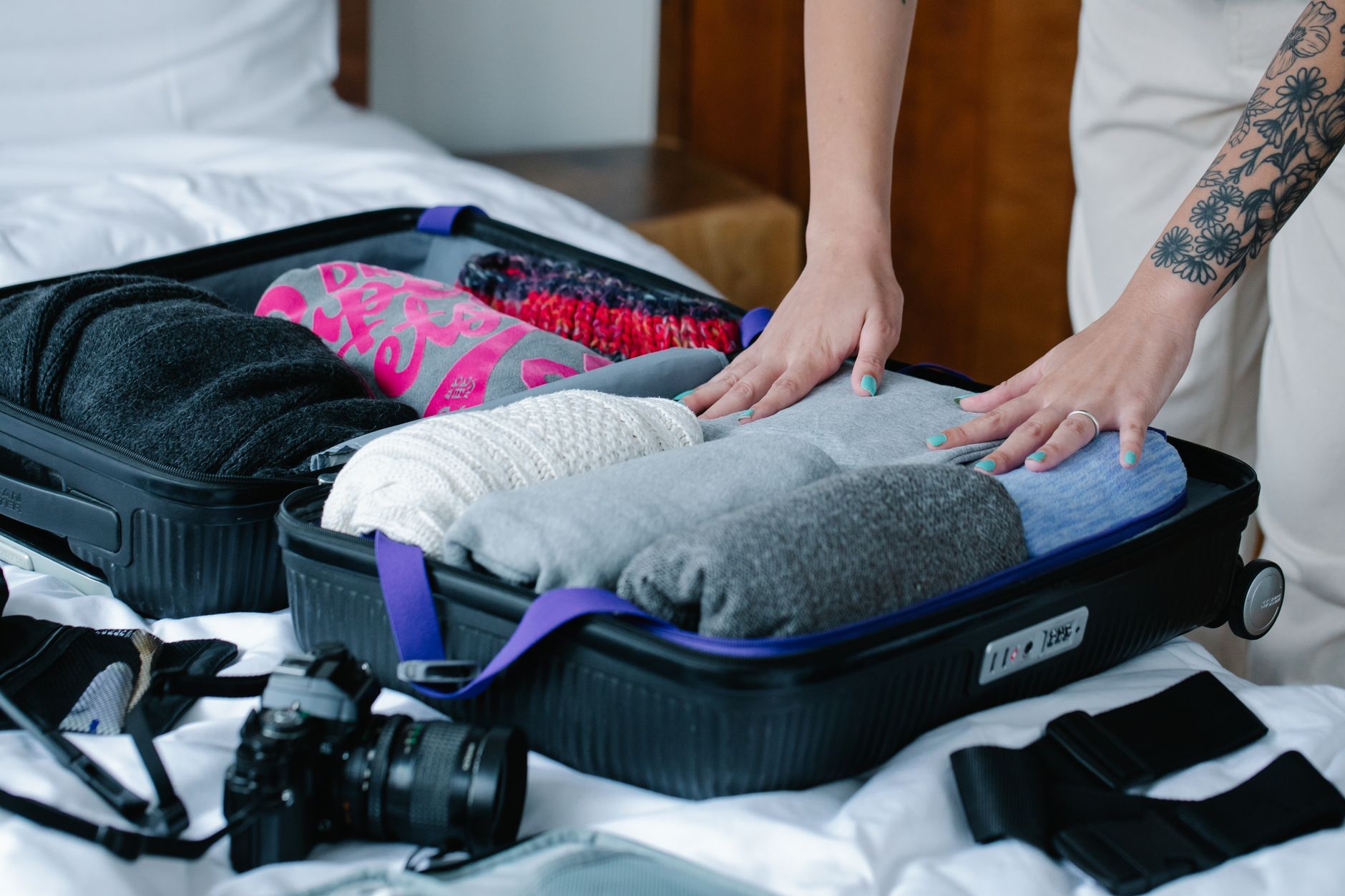
You're packing for three cities, two climates, and one carry-on. The silk blouse promises elegance but threatens to cling in humidity. The linen shirt breathes beautifully but emerges from your suitcase looking like a topographical map. Welcome to the silk versus linen travel conundrum, where fabric physics meets real-world itineraries.
The Case for Silk: When Temperature Regulation Trumps Vanity
Silk's reputation as a delicate luxury fabric obscures its genuinely practical qualities. The protein-based fibres regulate temperature more effectively than almost any natural material, keeping you cool in heat and insulated when temperatures drop. This makes silk the superior choice for destinations with dramatic day-to-night temperature swings: think desert climates (Morocco, Arizona, coastal Peru) or early autumn in Northern Europe.
The wrinkle question deserves honesty. Silk creases, yes, but not in the same structural way linen does. A silk charmeuse top hung in a steamy bathroom for fifteen minutes recovers beautifully. Heavier silk twills and crepe de chines resist creasing better still. Loro Piana's silk-cashmere blends, for instance, pack remarkably well thanks to the cashmere's natural elasticity tempering silk's tendency to fold.
Where silk falters: genuine humidity. In Singapore, Mumbai, or Miami during summer, silk clings. It also shows water spots and sweat marks with zero forgiveness, making it poorly suited to active sightseeing or tropical climates where afternoon downpours are scheduled events.
Best silk destinations:
- Desert cities (Marrakech, Santa Fe, Dubai in winter)
- Temperate spring/autumn breaks (Paris, Kyoto, Buenos Aires)
- Air-conditioned business travel anywhere
- Evening-focused itineraries
The Case for Linen: Wrinkles as Credentials
Linen telegraphs a certain kind of traveller: unbothered, cultured, probably reading a novel in the original language. The wrinkles aren't a bug; they're proof you've been somewhere. But beyond the aesthetic signalling, linen's practical advantages in hot, humid conditions are unmatched.
The flax fibres are hollow and highly absorbent, wicking moisture away from skin faster than cotton or silk. This makes linen objectively superior for the silk versus linen travel debate in Mediterranean summers, Southeast Asian explorations, or Caribbean escapes. You'll arrive at dinner rumpled but dry, while your silk-clad companion is damp and regretting their choices.
The wrinkle situation is both linen's defining characteristic and its limitation. Accept it or don't pack it. That said, heavier linen (180-220gsm) creases less dramatically than lightweight handkerchief linen. Brands like The Frankie Shop and Totême have built entire collections around mid-weight linen that looks intentionally relaxed rather than slept-in.
Linen's weakness: it offers virtually no warmth. Once temperatures drop below 20°C, you'll want layers. It's also genuinely difficult to make linen look polished for formal occasions, despite what Instagram suggests.
The Verdict: Match Fabric to Itinerary, Not Fantasy
The silk versus linen travel choice isn't about which fabric is "better." It's about honest assessment of where you're going and what you'll actually be doing.
Choose silk when:
- You're moving between air-conditioned interiors
- Evenings are the main event
- You need one piece to work across temperature zones
- The destination is dry or temperate
Choose linen when:
- Daytime activities dominate your schedule
- Humidity is above 60% consistently
- You're embracing a relaxed dress code
- Breathability matters more than structure
The most seasoned travellers pack both. A silk slip dress for dinners, linen trousers for daytime exploration. A silk-linen blend shirt if you're feeling diplomatic. The Rows's linen-silk shirting, for instance, offers compromise: linen's breathability with silk's subtle sheen and improved wrinkle recovery.
Forget the idea that one fabric rules all destinations. Your wardrobe should be as adaptable as your itinerary, and considerably more pragmatic than your packing fantasies suggest.