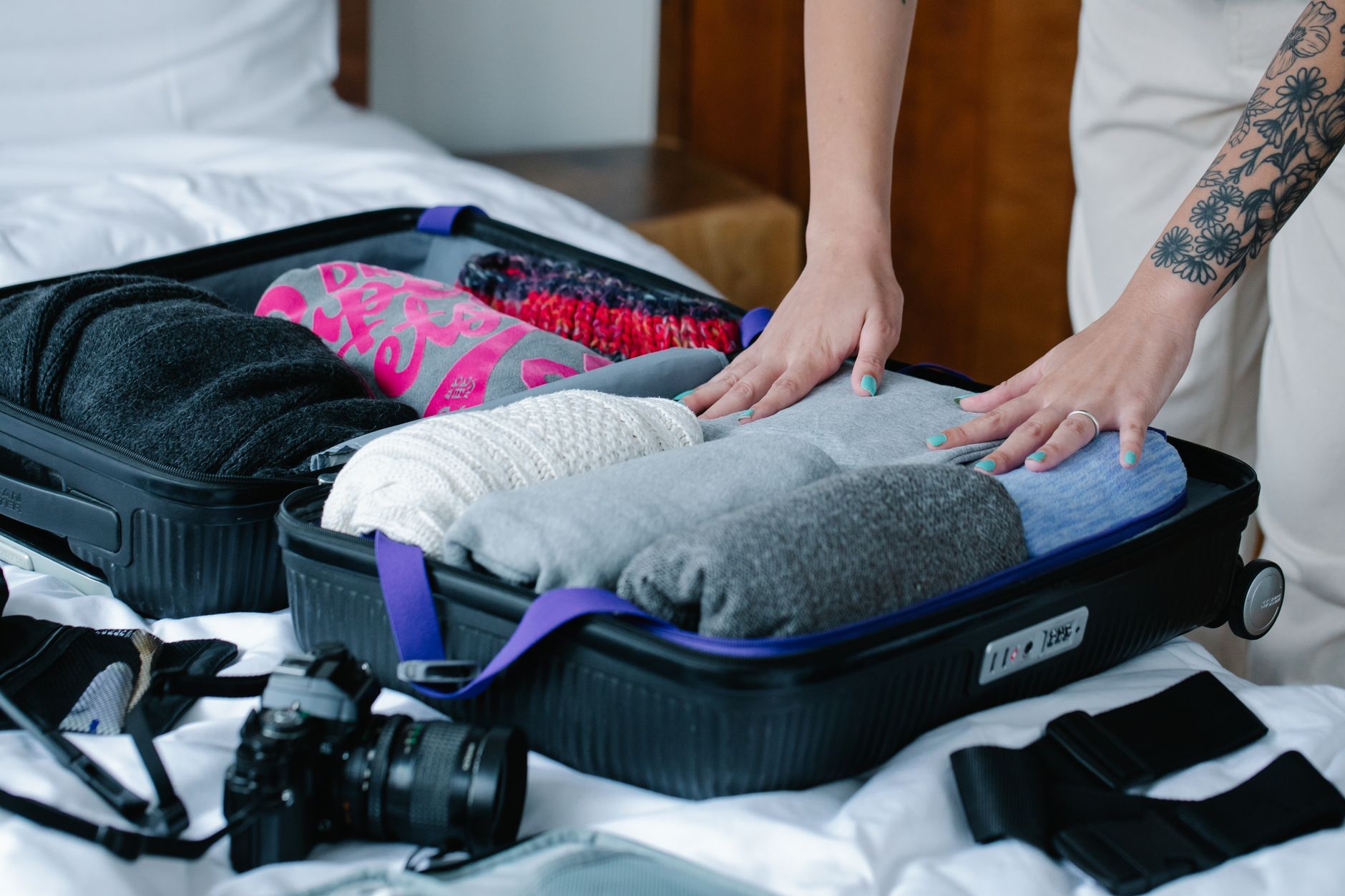
The Art of Scent at 35,000 Feet: Fragrance Layering for Long-Haul Travel
Why your signature scent falls flat mid-flight, and how to build a fragrance wardrobe that evolves gracefully from boarding gate to baggage claim.
The Cabin Pressure Problem
Cabin air at cruising altitude has roughly 20% humidity—drier than the Sahara—which means your carefully chosen fragrance for long haul flights will behave nothing like it does on the ground. What starts as a sophisticated woody amber can turn thin and sharp three hours into a transatlantic crossing, while heavy orientals become cloying in recycled air. The solution isn't abandoning scent altogether (though your seatmates might disagree), but rather approaching it as a layered, evolving strategy.
Building Your In-Flight Fragrance Architecture
The key to successful fragrance for long haul flights lies in strategic layering that accounts for how scent molecules behave in low humidity and pressurized environments. Think of it as dressing in separates rather than committing to a single statement piece.
Start with a clean base. Unscented or lightly scented body oil creates a moisture barrier that helps fragrance cling to skin longer. This matters more at altitude, where dehydration accelerates evaporation. Apply before boarding—your pre-flight ritual at home, not in the airport bathroom.
Layer from lightest to richest. Begin with a citrus or aquatic cologne as your foundation. Diptyque's Eau de Minthé or Hermès Eau de Citron Noir work beautifully here—bright enough to feel refreshing during boarding chaos, but with enough structure to anchor heavier notes later. Apply to pulse points and clothing (test first; some fabrics stain).
Pack your mid-flight refresh. Decant 5-10ml of a skin scent into a travel atomizer for the halfway mark. Glossier You or Le Labo Another 13 excel here—close-to-skin musks that add warmth without projection. The goal is subtle recalibration, not reapplication of your full signature.
Save the statement for landing. Your final layer should signal arrival, not departure. A richer woody or leather scent like Byredo's Bibliothèque or Tom Ford's Oud Wood applied an hour before descent gives you time to assess intensity before facing customs and colleagues.
What Actually Works at Altitude
Not all fragrance families survive the pressurized cabin equally. Here's what we've learned from far too many transatlantic crossings:
- Citrus and aquatics: Fade fastest but least offensive when they do
- Clean musks: Most forgiving and stable across time zones
- Light florals: Surprisingly resilient; avoid heavy tuberose or gardenia
- Woody ambers: Can turn medicinal; choose carefully or skip entirely
- Heavy orientals and gourmands: Save for terra firma unless you enjoy dirty looks
Fragrance for long haul flights should whisper, not announce. The goal is maintaining your own sense of ritual and comfort, not perfuming an entire cabin of captive strangers. When in doubt, err lighter.
The Practical Logistics
TSA-compliant travel atomizers are non-negotiable. Skip the ornate vintage ones (they leak) in favor of straightforward screw-top designs from Muji or The Perfume Shop. Label everything—you will not remember which is which when bleary-eyed at 2am somewhere over Greenland.
Timing matters as much as selection. Apply your base layer at home, your mid-flight refresh after the meal service settles, and your landing scent when the cabin crew begins preparing for descent. This rhythm aligns with your body's natural adjustment to time zone shifts and gives each layer room to develop without competing.
Avoid applying fragrance in the bathroom. The confined space amplifies projection, and you'll misjudge intensity. Use your seat (discreetly) or the galley area if flight attendants aren't busy.
The Unspoken Contract
Ultimately, wearing fragrance for long haul flights is an exercise in restraint and self-awareness. The passenger beside you didn't consent to twelve hours of your olfactory preferences, however impeccable your taste. Layer thoughtfully, apply sparingly, and remember that the best in-flight scent is the one nobody notices but you—a private anchor to comfort and routine when everything else about air travel feels designed to strip both away.