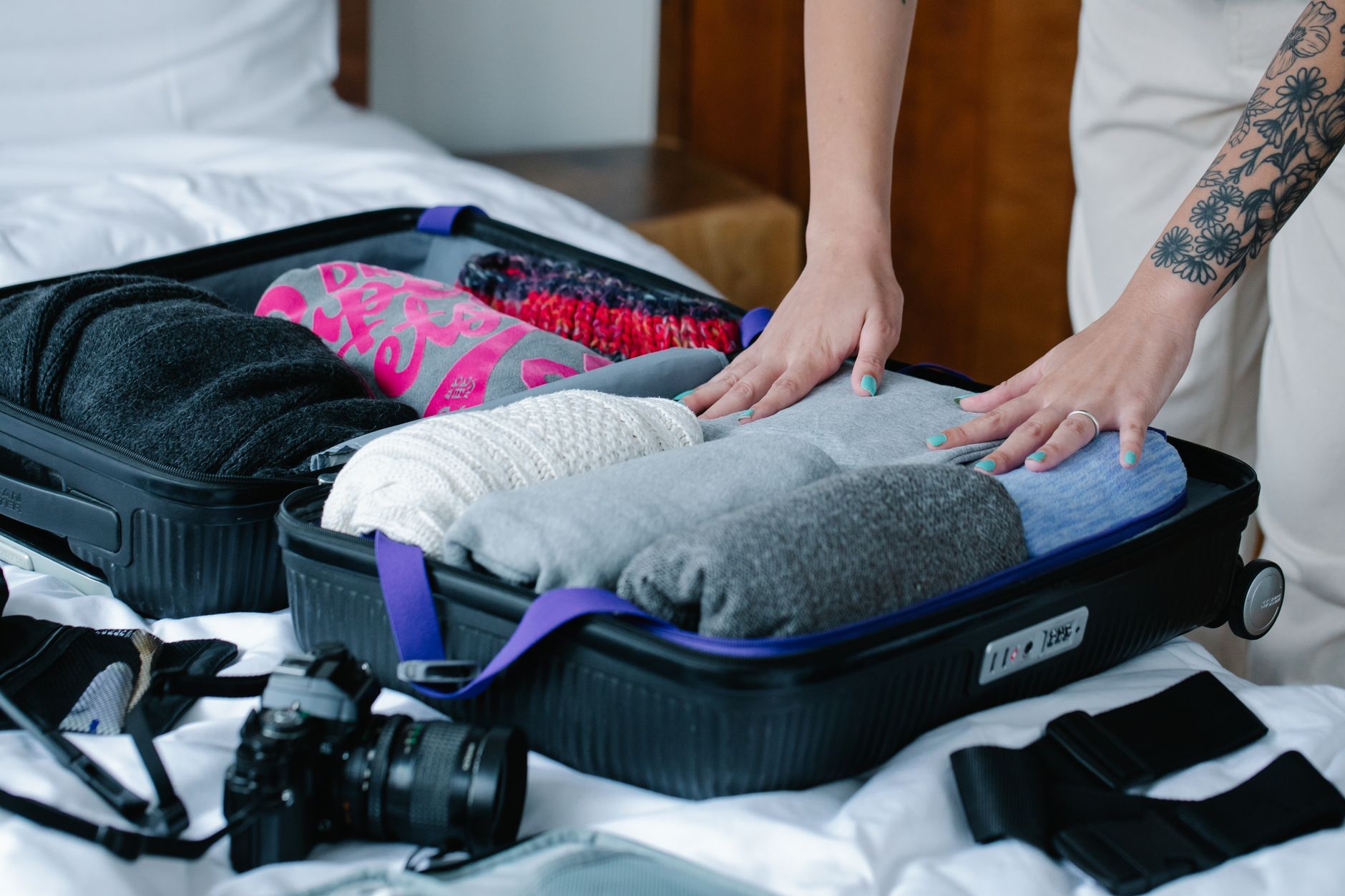
The Art of Wearing More by Buying Less
Why sustainable luxury travel fashion starts with a cashmere rollneck you'll pack twenty times—and the quiet rebellion of rewearing well.

The New Luxury Is Repetition
The most stylish travelers you'll spot in airport lounges aren't carrying twelve outfit changes for a five-day trip. They're wearing the same Loro Piana cashmere coat three days running, and they're completely unbothered. Because somewhere between the Instagram era's outfit-per-hour tyranny and the growing climate unease, a shift happened: rewearing became radically chic. Sustainable luxury travel fashion isn't about virtue signaling with hemp totes. It's about understanding that a £900 Brunello Cucinelli sweater you wear sixty times has a lighter footprint—and frankly, better style—than six fast-fashion alternatives you'll donate after two wears.
The logic is simple. Premium fabrics recover. Merino wool bounces back overnight on a hanger. Silk doesn't hold odor the way synthetics do. A well-cut blazer in virgin wool can be styled five ways without looking repetitive, especially when you're moving between cities and no one's tracking your wardrobe except you. The travelers who've cracked sustainable luxury travel fashion aren't packing more—they're packing smarter, and they're making peace with the fact that their seatmate saw them in the same trousers yesterday.
What Actually Works on the Road
The pieces that earn their luggage real estate share certain qualities. They're usually natural fibers. They don't wrinkle into oblivion (or they wrinkle so beautifully it reads as intentional). They layer. And crucially, they don't look precious—no one wants to baby a blouse through a long weekend.
The frequent flyer's capsule:
- One exceptional knit: Cashmere or merino, crew or rollneck, in a color that works with denim and tailoring alike. The Row's cashmere pieces have this covered, but so do Uniqlo's better knits if we're being honest about price-to-wear ratios.
- Trousers with a memory: Wide-leg wool or linen-blend styles that don't bag out at the knee. Totême's tailoring holds its shape remarkably well after a transatlantic flight.
- A jacket that does two jobs: Blazer by day, dinner-appropriate by night. Look for unstructured shoulders and breathable linings.
- The shirt you'll actually re-wear: Crisp cotton or silk that doesn't telegraph every coffee drip. White's classic, but camel and navy hide more sins.
- Shoes you can walk in: This should be obvious, but airport style has a way of making people forget they have feet.
The through-line? Every item needs to justify itself across multiple contexts. If it only works for one occasion, it stays home.
Repurposing Beyond the Suitcase
Sustainable luxury travel fashion extends past the trip itself. That silk scarf you bought in Paris becomes a bag tie, then a hair ribbon, then a top styled with high-waisted trousers. The cashmere wrap that served as a plane blanket transitions to a winter scarf back home. Hermès has built an empire on this very principle—their scarves have been repurposed into everything from shirt panels to bag charms since the 1930s.
Repurposing also means knowing when to retire a piece from travel duty and relegate it to home wear, or when to have it repaired rather than replaced. A good tailor can recut a blazer's silhouette, shorten sleeves, take in a waist. Loro Piana offers repairs on their cashmere. Moynat will refurbish their leather goods. The brands worth buying into are increasingly the ones that support longevity, because they understand that sustainable luxury travel fashion is as much about aftercare as initial purchase.
There's also the question of rental and resale. Platforms like Sœur du Nil and Rotaro make it possible to rent that Khaite dress for a wedding weekend in Puglia without committing to ownership. And when you're ready to move on from a piece, The RealReal and Vestiaire Collective ensure it finds a second life rather than a landfill.
The Quiet Confidence of Enough
The truly chic thing about sustainable luxury travel fashion isn't the sustainability itself—it's the confidence it signals. Wearing the same beautiful things repeatedly suggests you're secure enough not to perform novelty. You've invested in quality, you understand value, and you're not trying to impress strangers with volume.
It's also, let's be honest, significantly easier. Fewer choices mean faster packing and more mental space for the actual experience of travel. The goal isn't monastic deprivation. It's freedom through edit.
So next time you're building a travel wardrobe, ask: will I wear this at least three times on this trip? Will it work back home? Can it handle a bit of life? If the answer's yes, you're already halfway there.