The Geometry of Chic: How Toe Shape Defines Your Footwear
From the boardroom to the bistro, the contour at the front of your shoe telegraphs more about taste and intention than you might think.

The Silhouette Speaks First
Before anyone registers the leather quality or heel height, they clock the toe. That curved or tapered terminus is working harder than any other design element, signaling formality, modernity, and even approachability. The pointed toe vs rounded debate isn't about trends—it's about the visual language your footwear speaks, and whether that dialect matches the conversation you're trying to have.
The Case for the Point
A pointed toe elongates. That's the mechanical advantage, and it's why stiletto pumps from The Row or Aquazzura's knife-sharp flats photograph so well. The line travels outward, extending the leg, creating a visual arrow that suggests direction and purpose. There's an inherent formality here—pointed toes have their roots in aristocratic riding boots and Renaissance poulaines, after all—but in contemporary styling, they read as decisively modern.
The psychology is straightforward: angles imply precision. When you're wearing Saint Laurent's Anja pumps or Manolo Blahnik's BB, you're borrowing from a vocabulary of intentionality. These aren't shoes that happened; they're shoes that were chosen. The pointed silhouette works especially well when:
- You're wearing tailored trousers that break cleanly at the ankle
- The rest of your outfit skews minimal or architectural
- You need to counterbalance volume elsewhere (wide-leg denim, oversized blazers)
- You're aiming for a sleeker, more Parisian register
But precision has its limits. Too sharp, and the effect veers costume. The sweet spot sits somewhere between a true stiletto point and a soft almond—enough taper to create that lengthening effect without looking like you're prepared to spear olives.
The Rounded Alternative
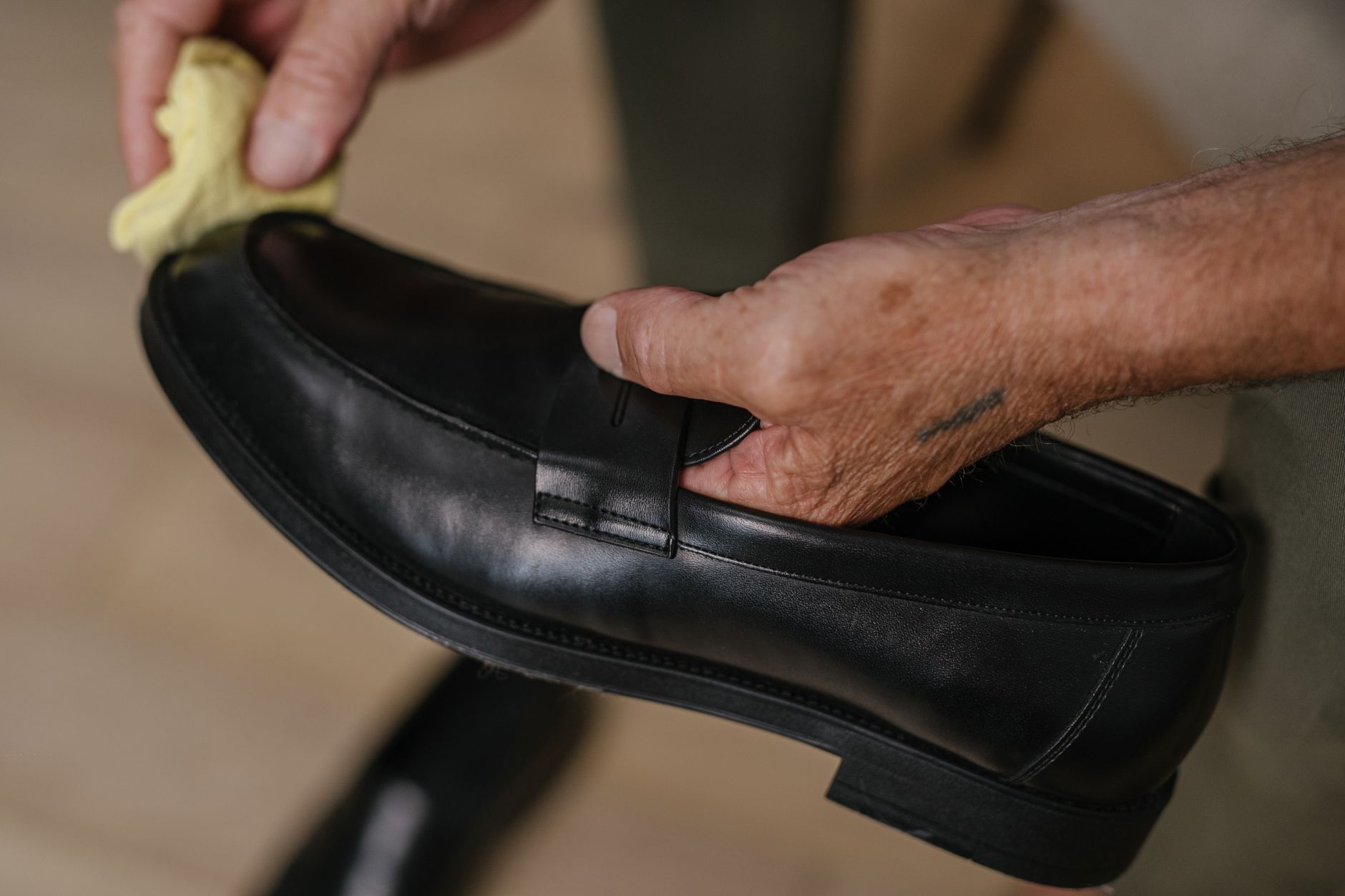
Rounded toes—whether ballet-flat circular or the gentle curve of a classic Oxford—offer something pointed styles can't: ease. Not in the pejorative sense, but in the way a cashmere crewneck feels more approachable than a starched collar. The curved toe has enjoyed a serious renaissance over the past few seasons, largely because it pairs beautifully with the return of fuller trouser silhouettes and a broader appetite for comfort that doesn't sacrifice sophistication.
Consider Toteme's rounded-toe loafers or the perpetually waitlisted Alaïa ballet flats. These aren't frumpy; they're grounded. The rounded shape suggests a certain confidence—you're not trying to slice through a room, you're already comfortable being in it. There's a Scandinavian practicality at play, but also a nod to mid-century elegance when shoes had substance and weight.
The pointed toe vs rounded question becomes most interesting here: rounded styles often photograph as more casual, but in person, especially in beautiful leather with clean construction, they convey a different kind of luxury. One that's less about announcing arrival and more about quiet competence. They work particularly well with cropped, straight-leg trousers, midi skirts, and anywhere you want the shoe to anchor rather than elongate.
Matching Shape to Intention
The real skill isn't choosing a camp—it's understanding what each silhouette accomplishes and deploying it accordingly. A rounded-toe Mary Jane from Miu Miu carries a playful intellectualism that would be lost in a pointed version. Conversely, Gianvito Rossi's pointed mules in patent leather deliver an after-dark glamour that a rounded toe would soften into something more day-appropriate.
Context matters as much as contour. Pointed toes tend to read more formal in closed styles (pumps, boots) but can feel surprisingly relaxed in sandals and mules where the openness balances the angularity. Rounded toes gain sophistication through material and detail—a ballet flat in supple nappa with a grosgrain bow occupies entirely different territory than a canvas espadrille, despite sharing the same basic shape.
The pointed toe vs rounded conversation also shifts with heel height. A rounded toe on a block heel feels sturdy and modern; on a kitten heel, it's vintage-coded. A pointed toe on a stiletto is classic seduction; on a flat, it's borrowed-from-the-boys chic.
The Verdict You Don't Need
Your wardrobe likely has room for both, and should. The pointed toe for when you need that extra centimeter of visual height and a dose of sharp intention. The rounded for days when you'd rather be substantial than streamlined. Neither is inherently more sophisticated—they're simply fluent in different registers of the same language.