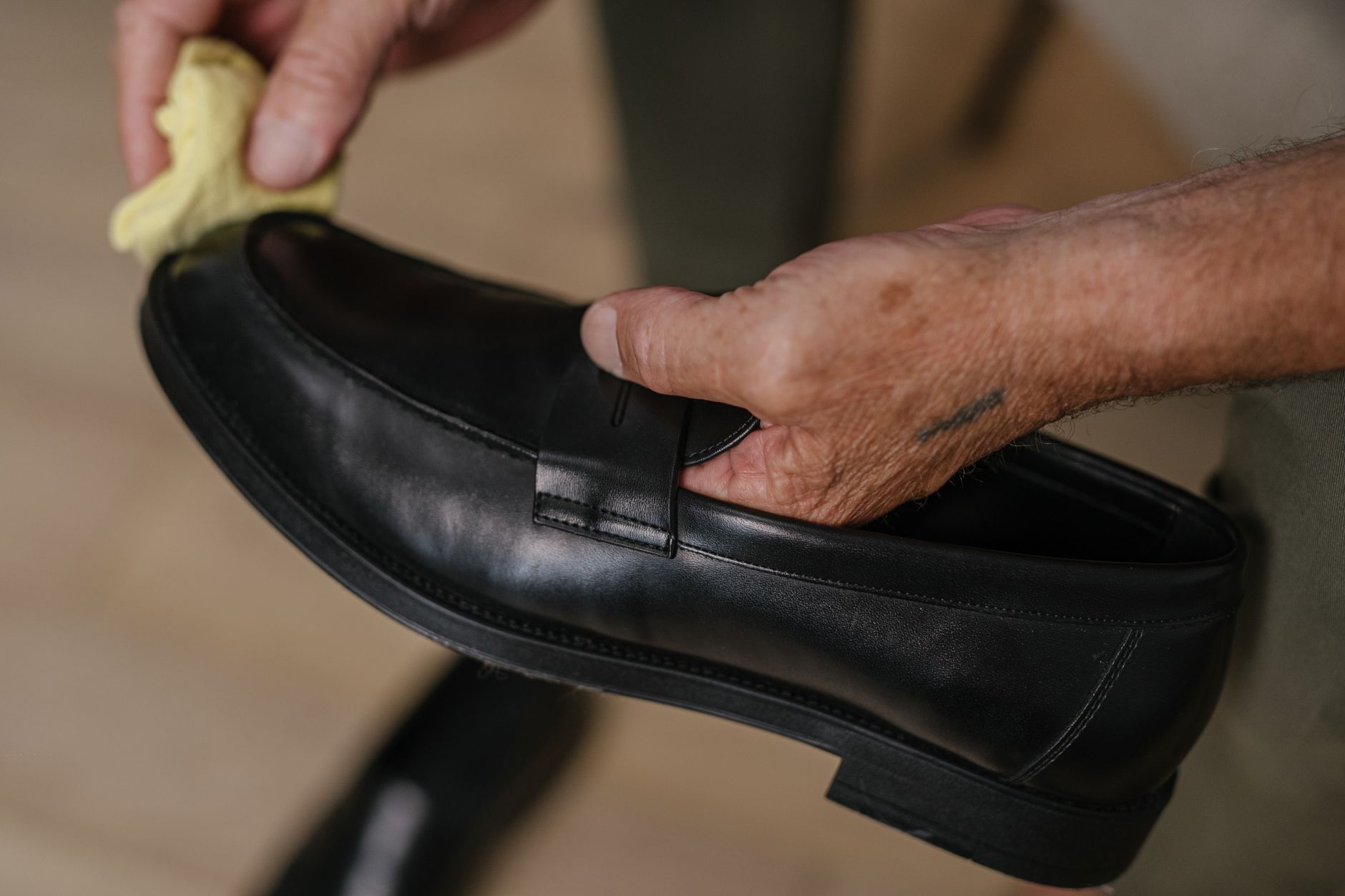
Vegan Luxury Footwear Has Finally Grown Up
From Stella McCartney's Elyse platforms to Hermès's mycelium experiments, plant-based shoes are shedding their earnest image and earning wardrobe real estate.

The Performance Question
For years, the luxury vegan shoe conversation stalled at the same impasse: noble intentions, compromised execution. Early adopters tolerated stiff uppers, questionable longevity, and a certain visual flatness that announced itself from across a room. That calculus has shifted. Today's luxury vegan shoes aren't asking for ethical bonus points. They're competing on cut, hand feel, and how they wear after a year of pavements.
Stella McCartney remains the category's north star, but her two-decade commitment has moved from advocacy to refinement. The brand's Eclypse trainers, built on bio-based soles with recycled polyester uppers, handle like proper technical sneakers rather than virtuous substitutes. More telling: the Falabella faux-leather totes show minimal creasing after seasons of use, a durability benchmark that eluded earlier plant-based materials. McCartney's atelier treats vegan fabrication as a design constraint worth solving, not a marketing angle.
What Actually Works
The material science has caught up. Mylo, the mycelium-based leather alternative developed by Bolt Threads, debuted in Stella McCartney's Frayme bag and signals where footwear is heading. Hermès and Lululemon have both invested in the technology. Meanwhile, Piñatex (pineapple leaf fibre) and apple leather have graduated from experimental to production-ready, showing up in everything from Veja trainers to Hugo Boss dress shoes.
The best luxury vegan shoes now share three characteristics:
- Honest construction: Cemented soles and heat-sealed seams instead of pretending to be Goodyear-welted
- Material transparency: Brands listing exactly what their "vegan leather" contains (polyurethane, bio-polyols, plant cellulose)
- Specific care instructions: Acknowledgment that these materials behave differently than calfskin
Nanushka's vegan boots, crafted from the brand's proprietary OKOBOR alt-leather, photograph indistinguishably from hide but require different break-in handling. The ankle boots hold their structure through wet weather better than expected, though they benefit from regular conditioning with silicone-free products. It's this kind of practical intelligence that separates serious luxury vegan shoes from greenwashed substitutes.
The Traditionalists Enter
The more intriguing development isn't the expected players but the heritage houses testing the waters. Salvatore Ferragamo, a brand built on calfskin mastery, introduced vegan styles within its core collection rather than relegating them to a separate "conscious" line. The approach signals category maturation: these aren't novelty items but options within the same design language.
Ganni's approach feels particularly considered. The Copenhagen brand's vegan cowboy boots use a bio-based polyurethane that mimics the slight grain variation of leather hides. More importantly, they're constructed on the same lasts as the house's leather boots, meaning fit and proportion remain consistent. For customers building a wardrobe rather than making a statement, that continuity matters.
Even Dr. Martens, synonymous with leather durability, now offers its 1460 boot in Felix Rub Off, a synthetic material that develops patina through wear. The brand's willingness to apply its air-cushioned sole technology to non-leather uppers legitimises the category for customers who might otherwise dismiss vegan options as structurally inferior.
The Wearing Reality
Transparency requires acknowledging trade-offs. Most plant-based and synthetic materials don't breathe like leather, making them less ideal for all-day office wear in summer. They also don't mould to your foot over time in quite the same way, though newer bio-polyurethanes are narrowing that gap. What they offer instead: consistent performance across temperature ranges, easier maintenance, and often lighter weight.
The smart money isn't on vegan materials replacing leather entirely but on expanding the toolkit. A capsule wardrobe might include Italian leather loafers for the office, Veja trainers in B-mesh (recycled plastic bottles and corn waste) for weekends, and Stella McCartney Eclypse for travel, each chosen for specific performance characteristics rather than ideology.
Where This Goes
The luxury vegan shoe category has moved past its awkward adolescence. When Gabriela Hearst can produce a knee-high boot in Vegea (grape leather) that holds its shape as well as suede, or when Gianvito Rossi experiments with apple leather in evening styles, the conversation shifts from "why" to "which one." The materials still aren't perfect analogues for hide, but they've become compelling alternatives rather than earnest compromises. That distinction makes all the difference.