The Neutral Table: A Spring Entertaining Edit That Speaks Softly
Why the season's most sophisticated spring tablescape ideas trade pastels for stone, linen, and sand—and how to build one that lasts beyond May.
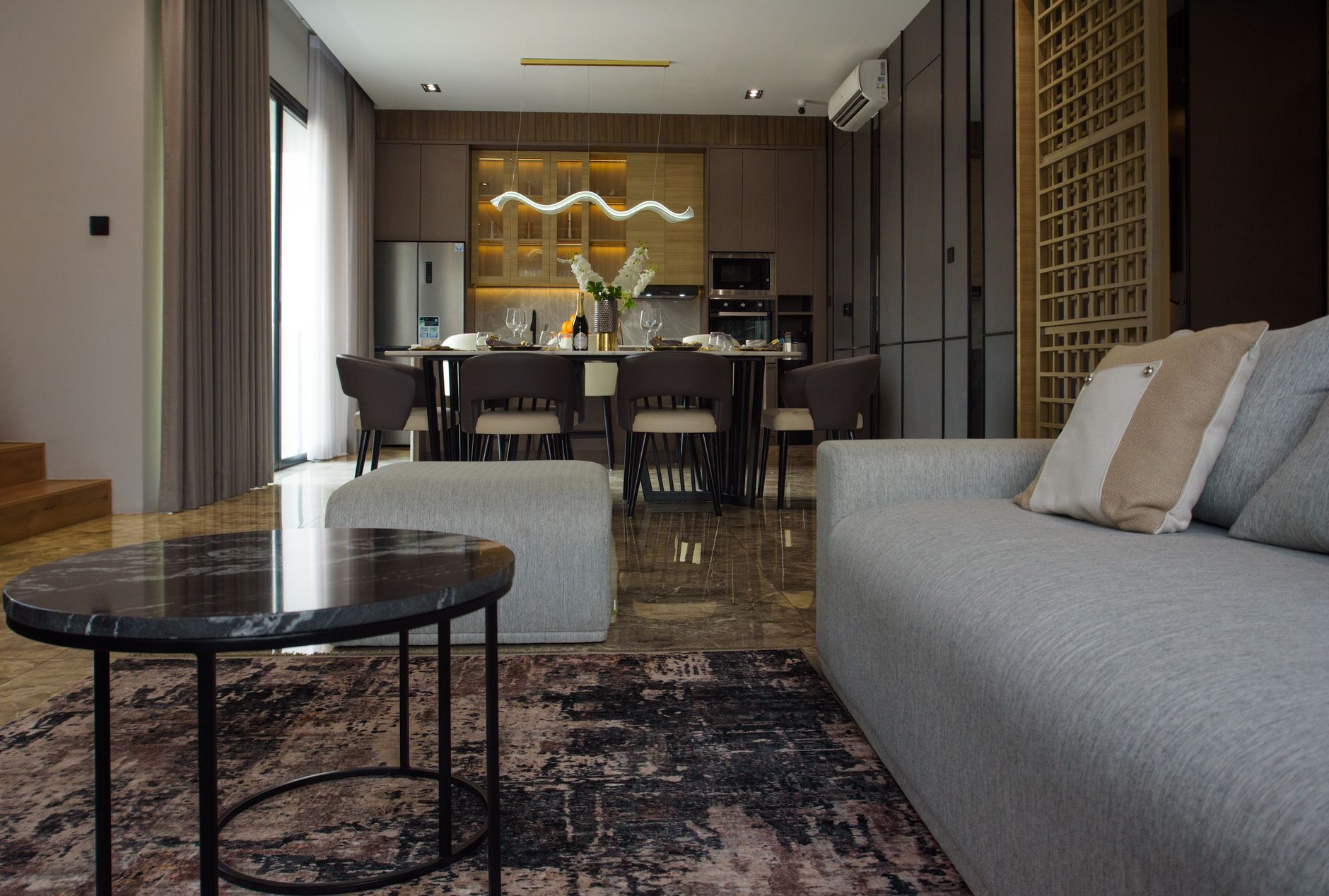
The Case for Restraint
Spring doesn't require baby blue napkins or tulip-printed china to announce itself. The most compelling tables this season let texture and form do the work—think unglazed ceramics, raw linen, and the kind of tonal layering that photographs beautifully but feels effortless in person. Neutrals ground a room, especially when the light is doing all the heavy lifting through open windows.
Building Blocks: What a Neutral Table Actually Needs
The foundation of any strong spring tablescape ideas starts with restraint in palette and intention in material. You're not aiming for beige monotony—you're composing with contrast.
Start with the linen. A good tablecloth in natural, undyed flax sets the tone. Belgian and Lithuanian mills produce some of the finest—look for weight and a slightly irregular weave. If you prefer placemats, opt for handwoven cotton or linen blends that show the maker's hand. Avoid anything too stiff or precious; these should soften with each wash.
Layer the ceramics. Handmade stoneware in chalk, sand, and warm grey creates depth without pattern. Brands like Jono Pandolfi and Elephant Ceramics produce pieces with enough irregularity to feel collected rather than matched. The Japanese concept of wabi-sabi—beauty in imperfection—applies here. A slightly warped rim or visible throwing lines add character.
Introduce natural form. This is where your spring tablescape ideas move from static to alive. A low arrangement of flowering branches—quince, dogwood, or wild cherry—anchored in a simple vessel does more than a dozen forced tulips. Keep it architectural. If branches feel too studied, a cluster of speckled eggs in a shallow bowl or a length of driftwood works just as well.
Texture as Conversation
Neutral palettes live or die on tactile variety. A table set entirely in matte finishes reads flat; one with deliberate textural contrast invites touch and holds attention.
Consider these pairings:
- Rough against smooth: Rustic terracotta chargers beneath glossy white porcelain dinner plates
- Matte beside shine: Unglazed stoneware next to vintage silver flatware or brass candlesticks
- Woven with solid: Rattan chargers or wicker bread baskets against plain linen
- Organic with geometric: A sculptural ceramic vase holding wild grasses beside clean-lined glassware
Glassware deserves particular attention. Hand-blown pieces from Estelle Colored Glass in smoke or amber tones bring warmth without breaking the neutral scheme. Their slight imperfections catch light differently than machine-made stems, adding movement as guests shift and the sun moves across the table.
The Finishing Layer: Light and Small Gestures
Candles are non-negotiable for evening gatherings, even in spring. Choose unscented pillars in ivory or natural beeswax—fragrance competes with food. Vary the heights but keep them low enough for conversation. Brass or blackened steel holders add a necessary metallic note without veering into formal territory.
Napkins should feel substantial. Look for stonewashed linen in mushroom, putty, or greige. Fold them simply or leave them loosely knotted at each place setting. Avoid napkin rings unless they're genuinely beautiful—raw brass cuffs or hand-carved wood, nothing decorative for decoration's sake.
Place cards, if you're using them, work best when understated: a sprig of rosemary tied with twine around a folded card, names written in pencil or ink. It's a gesture that feels considered without trying too hard.
What This Approach Actually Gives You
The beauty of neutral spring tablescape ideas is their flexibility. This isn't a one-occasion setup. The same foundations work for a weeknight dinner or a more formal lunch—you simply adjust the lighting, add or subtract layers, swap in different vessels. It's the wardrobe approach applied to entertaining: invest in quality basics, then shift the context.
More practically, a neutral table doesn't compete with your food. A roasted chicken, spring vegetables, a simple tart—they all look better against warm whites and natural tones than they do fighting for attention with pattern and color.
The table becomes a backdrop rather than the main event, which is precisely the point. Your guests remember the conversation and the meal, not whether the napkins matched the flowers. That's the kind of hospitality that feels genuinely generous rather than performative—and it photographs rather well too.