The New Candle Makers Burning Brighter Than the Big Houses
Independent artisans are reclaiming fragrance from mass production with sustainable waxes, hand-poured batches, and a reverence for scent as craft.
Why Independent Candle Makers Are Winning
The luxury candle market has long been dominated by heritage houses and their ubiquitous three-wick offerings, but a quiet revolution is underway. Artisanal candle makers are stepping out of farmers' markets and into the homes of discerning clients who've grown weary of synthetic fragrances and greenwashed marketing. These small producers aren't just making candles. They're treating scent with the seriousness of a perfumer and the transparency of a farm-to-table chef.
What sets them apart isn't just the hand-poured label or the Instagram-friendly branding. It's the commitment to materials that actually matter: plant-based waxes like coconut and rapeseed, essential oils over synthetic compounds, cotton or wooden wicks that burn cleanly. When you're producing 50 candles at a time instead of 5,000, every choice becomes intentional. The result is a product that smells different, burns differently, and frankly, feels different to live with.
The Materials That Make the Difference
The conversation around sustainable luxury often gets murky, but candle production offers unusual clarity. Artisanal candle makers have largely abandoned paraffin, a petroleum byproduct that releases toxins when burned, in favour of natural alternatives. Soy wax dominated the early wave of indie candles, but many makers have moved beyond it due to concerns about monoculture farming and GMO crops.
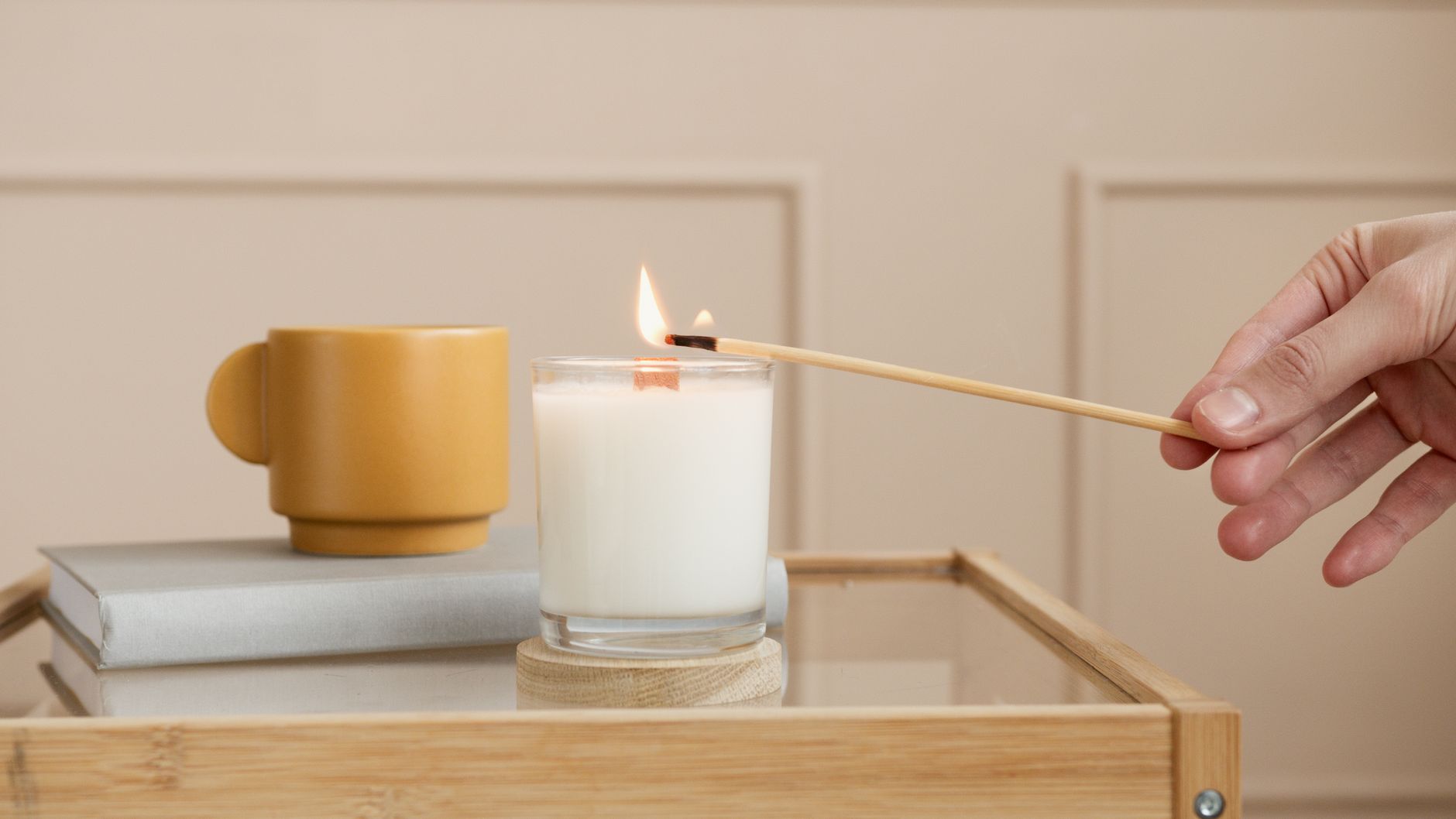
Coconut wax has emerged as a favourite for its clean burn and excellent scent throw, while beeswax appeals to those seeking a naturally golden glow and subtle honey undertone. Rapeseed wax, particularly popular among European producers, offers a local alternative with a smooth finish. The wick matters too: wooden wicks create that satisfying crackle, while braided cotton wicks (ideally unbleached and lead-free) provide a steady, even flame.
Fragrance composition separates the serious from the superficial. Small-batch producers often work with:
- Pure essential oils for those seeking therapeutic properties and natural scent profiles
- Phthalate-free fragrance oils that offer complexity without the endocrine disruptors
- Botanical infusions where dried herbs, flowers, or spices are incorporated into the wax itself
- Custom blends developed in collaboration with independent perfumers
The transparency is refreshing. Many artisanal candle makers list every ingredient on their websites, something the big houses rarely do.
The Makers Worth Knowing
The landscape of independent candle makers has matured beyond the early days of lavender-and-vanilla sameness. Today's producers bring distinct perspectives shaped by their locations, backgrounds, and material obsessions.
Brooklyn Candle Studio has built a reputation for minimalist vessels and well-balanced fragrances that reference specific places without veering into cliché. Their approach to scent feels more like editorial perfumery than home fragrance, with compositions that layer unexpected notes rather than reaching for the obvious.
Across the Atlantic, Earl of East began as a market stall in East London and has grown into a considered lifestyle brand without losing its experimental edge. Their candles often incorporate unusual botanicals, and they've been transparent about their shift to rapeseed and coconut wax blends sourced within Europe. The brand also runs candle-making workshops, demystifying the process in a way that feels generous rather than precious.
Smaller makers continue to emerge with hyper-specific points of view. Some focus on single-origin botanicals, others on zero-waste packaging, still others on collaborations with local artists for limited-edition vessels. The variety is the point. When you're not trying to appeal to every department store in America, you can afford to have an opinion.
What It Means for How We Live
The rise of artisanal candle makers reflects a broader shift in how we think about the objects we bring into our homes. There's less interest in status signalling through recognizable labels and more curiosity about provenance, process, and the people behind the product. A hand-poured candle from a maker whose ingredient list you can actually read feels fundamentally different from a mass-produced alternative, regardless of the brand name embossed on the glass.
This isn't about rejecting luxury. It's about redefining it. The new luxury is knowing where things come from, understanding how they're made, and supporting systems of production that don't require ethical gymnastics to justify. When you light a candle from a small producer who sources sustainable wax, uses clean fragrances, and pays their team fairly, you're not just buying a product. You're participating in an economy that actually makes sense.
The best part? They smell extraordinary.