The Vessel Matters: Ceramic, Glass, and Stone Candles, Ranked
Why what holds the wax is just as important as what's inside it—a practical guide to choosing candle vessels that burn better and look smarter.
Why Your Candle Vessel Is More Than Decoration
The container holding your candle does considerably more work than you'd think. Beyond aesthetics, candle vessel materials dictate heat retention, burn evenness, and whether that £65 candle tunnels after three burns or gives you honest value. Ceramic, glass, and stone each bring distinct thermal properties to the table, and understanding them means the difference between ambient luxury and an expensive puddle of wasted wax.
Glass: The Industry Standard With Good Reason
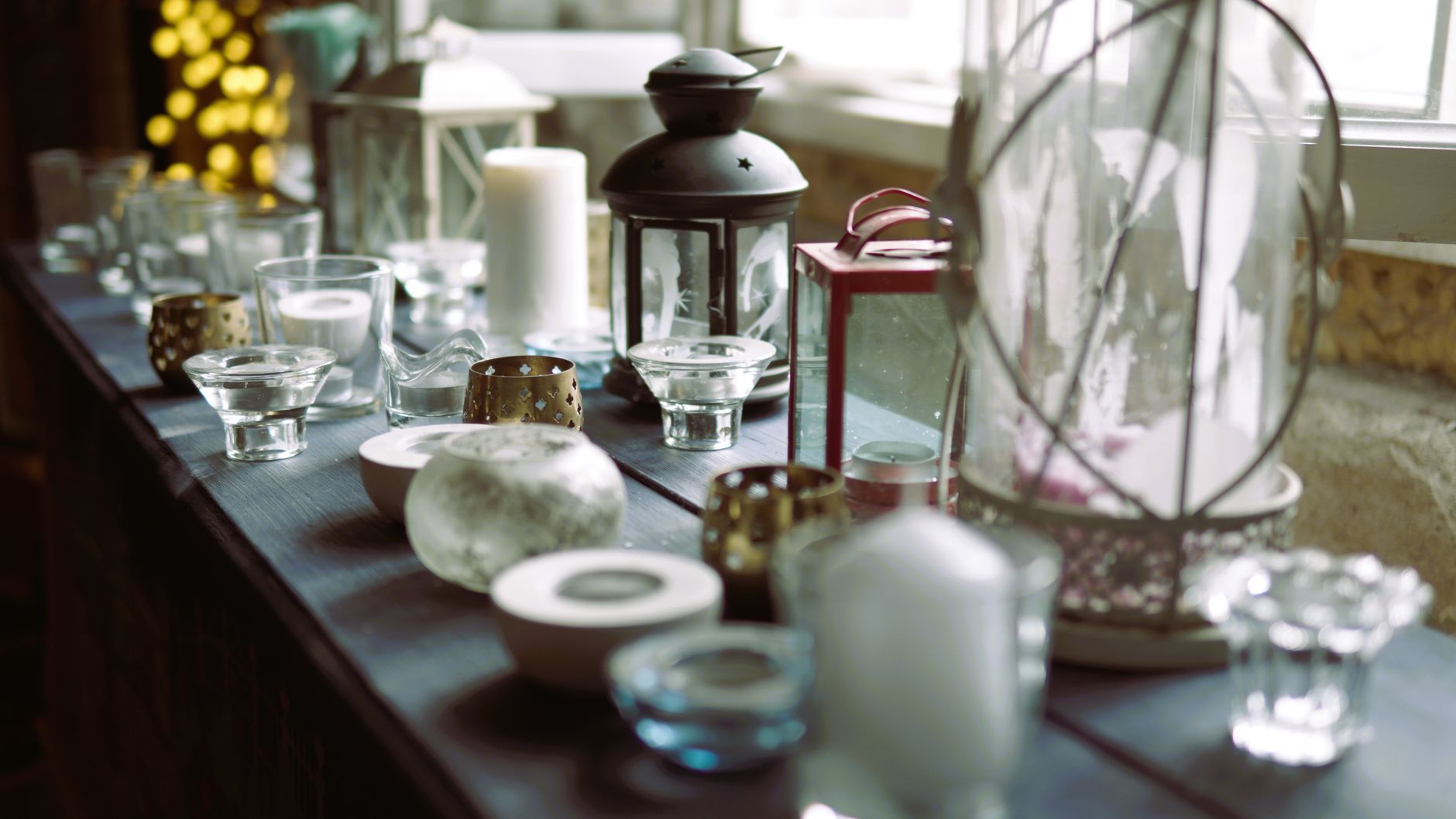
Glass remains the most common choice for luxury candles, and its dominance isn't arbitrary. The material offers visual transparency that lets you monitor burn progress and remaining wax—practical for knowing when to trim the wick or when you're nearing the end. Diptyque's iconic oval vessels and Byredo's minimalist tumblers prove glass can carry serious design weight while maintaining thermal efficiency.
Thermally, glass sits in the Goldilocks zone. It heats moderately, allowing wax to melt evenly across the surface without becoming dangerously hot to touch mid-burn. This matters particularly for soy and coconut wax blends, which require gentler, more consistent heat distribution than paraffin. The downside? Glass is fragile and energy-intensive to produce, though many brands now use recycled glass to soften the environmental impact.
For reusability, glass vessels win decisively. Once the candle's spent, a quick freeze-and-pop removes residual wax, leaving you with a tumbler for pencils, makeup brushes, or propagating cuttings. The secondary life of a well-designed glass vessel shouldn't be underestimated when justifying the initial cost.
Ceramic: The Artisan's Choice
Ceramic vessels bring textural richness and heat retention that glass simply can't match. Brands like Astier de Villatte hand-pour their candles into milky-white ceramic that feels more objet d'art than disposable luxury. The porous, matte surface diffuses light differently, creating a softer, more intimate glow than glass's crisp clarity.
From a performance standpoint, ceramic's superior heat retention means the wax pool stays liquid longer, which helps prevent tunneling in wider vessels. This makes ceramic particularly suited to three-wick formats and botanical wax blends that benefit from sustained, even heat. The trade-off is that ceramic vessels get hot—sometimes too hot to move safely during a burn. Place them thoughtfully and leave them alone.
The environmental calculus with ceramic is complex. Firing kilns requires significant energy, but a well-made ceramic vessel will outlast glass and can be repurposed indefinitely. Glaze quality matters here: food-safe glazes mean your empty vessel transitions seamlessly to kitchen or bath storage without leaching concerns.
Key ceramic advantages:
- Exceptional heat retention for even wax melting
- Unique surface textures and artisanal finishes
- Durable and highly reusable
- Softens and diffuses candlelight beautifully
Stone: The Luxury Outlier
Stone vessels occupy niche territory in the candle world, typically reserved for premium lines where the container costs as much as what's inside it. Marble, alabaster, and soapstone each behave differently, but all share extreme thermal mass. This means they're slow to heat but retain warmth long after you've extinguished the flame.
Tom Dixon's stone candle vessels demonstrate how the material can anchor a room's aesthetic with sculptural presence. The weight and cool-to-touch nature of stone communicates permanence in a way that glass and ceramic don't quite achieve. For burn performance, stone's density helps regulate temperature, though the opacity means you're burning blind—no visual cues for when to stop.
Sustainability is stone's sticking point. Quarrying and transport carry substantial environmental costs, though the material's longevity and timeless aesthetic arguably offset the impact if you're genuinely keeping it for decades. Stone vessels demand commitment; they're not for serial redecorators.
The Verdict on Candle Vessel Materials
If you're prioritizing burn performance and versatility, glass remains the rational choice. It's transparent, thermally balanced, and transitions easily into a second life. Ceramic suits those who value tactile beauty and don't mind vessels that run hot. Stone is for collectors who want sculptural permanence and aren't bothered by the premium or the weight.
The smartest approach? Consider candle vessel materials as you would tableware—build a small collection that serves different moods and spaces, rather than defaulting to one material across the board. Your bedside table might want the soft glow of ceramic, while your kitchen benefits from glass's practical visibility. The vessel, after all, is half the ritual.