Tokyo, Dubai, Hong Kong: A Field Guide to Asian Luxury City Codes
From Tokyo's meticulous minimalism to Dubai's maximal glamour and Hong Kong's tropical pragmatism, here's how to dress for three cities that demand very different wardrobes.

The Unspoken Rules
You can arrive in Paris with a blazer and loafers and navigate most situations. Try that in Dubai's August heat or Tokyo's obsessively calibrated dress codes and you'll look—and feel—entirely out of step. Asian luxury city fashion differences aren't just about climate; they're about social choreography, local taste hierarchies, and the particular ways each hub broadcasts status. Understanding these distinctions means the difference between blending in at a Ginza flagship and standing out for all the wrong reasons.
Tokyo: Precision Over Personality
Tokyo rewards restraint, craft, and an almost forensic attention to detail. The luxury consumer here notices stitching, fabric weight, and whether your Comme des Garçons is from the main line or a diffusion label. Logomania reads as gauche unless it's ironic or so deeply embedded in subcultural codes (think Nigo-era collaborations) that it transcends branding.
What works: Tailoring from The Row, Lemaire, or Jil Sander. Auralee knitwear. Visvim if you understand the reference. A pristine pair of Margiela Tabis signals fluency; scuffed Golden Goose sneakers do not. Monochrome palettes dominate, and black carries a particular weight here—not funereal, but architectural.
What doesn't: Anything that suggests you dressed in the dark. Clashing prints, visible logos beyond a discreet Hermès Kelly or Goyard tote, and overly casual sportswear outside of Harajuku. Tokyo's luxury spaces—from the Omotesando flagships to the members-only bars in Roppongi—expect a kind of sartorial fluency that requires homework.
The Asian luxury city fashion differences become immediately apparent the moment you board a flight to the Gulf.
Dubai: Maximalism as a Second Language
If Tokyo whispers, Dubai shouts—but in silk and Swarovski. This is a city built on spectacle, where luxury is meant to be seen, photographed, and worn with the kind of confidence that comes from knowing exactly how much your outfit costs. The dress code skews formal: think cocktail attire for brunch, evening wear for dinner, and resort glamour for everything in between.
What works:
- Statement jewellery from Boucheron or Graff
- Embellished Elie Saab or Zuhair Murad gowns for evening
- Hermès Birkins and Chanel 11.12s as daytime staples
- Sleek, body-conscious silhouettes in jewel tones
- Sky-high heels, even in 40-degree heat
What doesn't: Anything that reads as too casual or, paradoxically, too understated. The Scandi minimalism that plays well in Tokyo falls flat here. Linen trousers and espadrilles might work poolside at the Bulgari, but step into the Dubai Mall or Cavalli Club and you'll feel underdressed. Modesty is also non-negotiable in certain contexts—cover shoulders and knees in traditional souks and government buildings, even if the designer boutiques allow more skin.
Dubai's luxury landscape thrives on newness and exclusivity, which means limited-edition drops and VIP access matter more than quiet connoisseurship. Asian luxury city fashion differences here tilt toward overt glamour rather than insider knowledge.
Hong Kong: Tropical Pragmatism Meets Old Money
Hong Kong exists in a peculiar sartorial space: British colonial tailoring heritage meets subtropical humidity meets Mainland Chinese buying power. The result is a wardrobe that prizes lightweight fabrication, wrinkle resistance, and an ability to transition from air-conditioned shopping malls to monsoon downpours without losing composure.
What works: Loro Piana's Summer Walk loafers and storm system outerwear. Brunello Cucinelli's breathable knits. Anything from Zegna's high-performance tailoring line. Céline's minimal leather goods in neutral tones. The aesthetic skews classic rather than trendy—think investment pieces that telegraph wealth without trying too hard.
What doesn't: Heavy fabrics, anything that requires dry cleaning after a single wear, or overly avant-garde silhouettes. Hong Kong's luxury consumer is sophisticated but practical, with a preference for pieces that work across contexts. The city's humid summers also mean that visible sweat stains are the ultimate faux pas; technical fabrics and strategic layering become essential.
The Asian luxury city fashion differences in Hong Kong manifest as a kind of stealth wealth—less performative than Dubai, less austere than Tokyo, but equally discerning.
Pack Accordingly
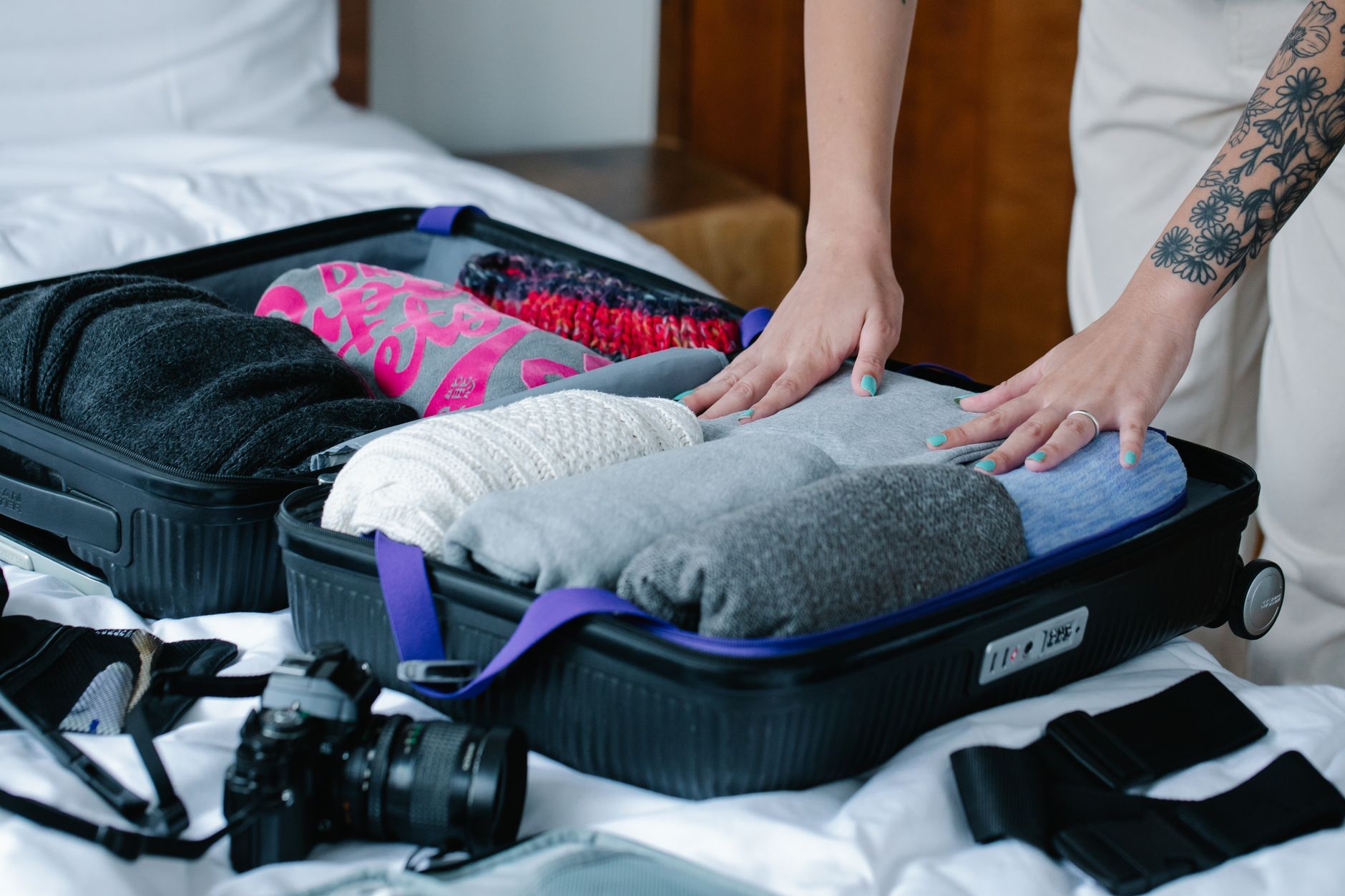
Three cities, three entirely different wardrobes. Tokyo demands your most considered edit, Dubai your most glamorous, and Hong Kong your most adaptable. The through line? All three reward those who've done their research and understand that luxury, in Asia's major hubs, is never just about the label—it's about reading the room.