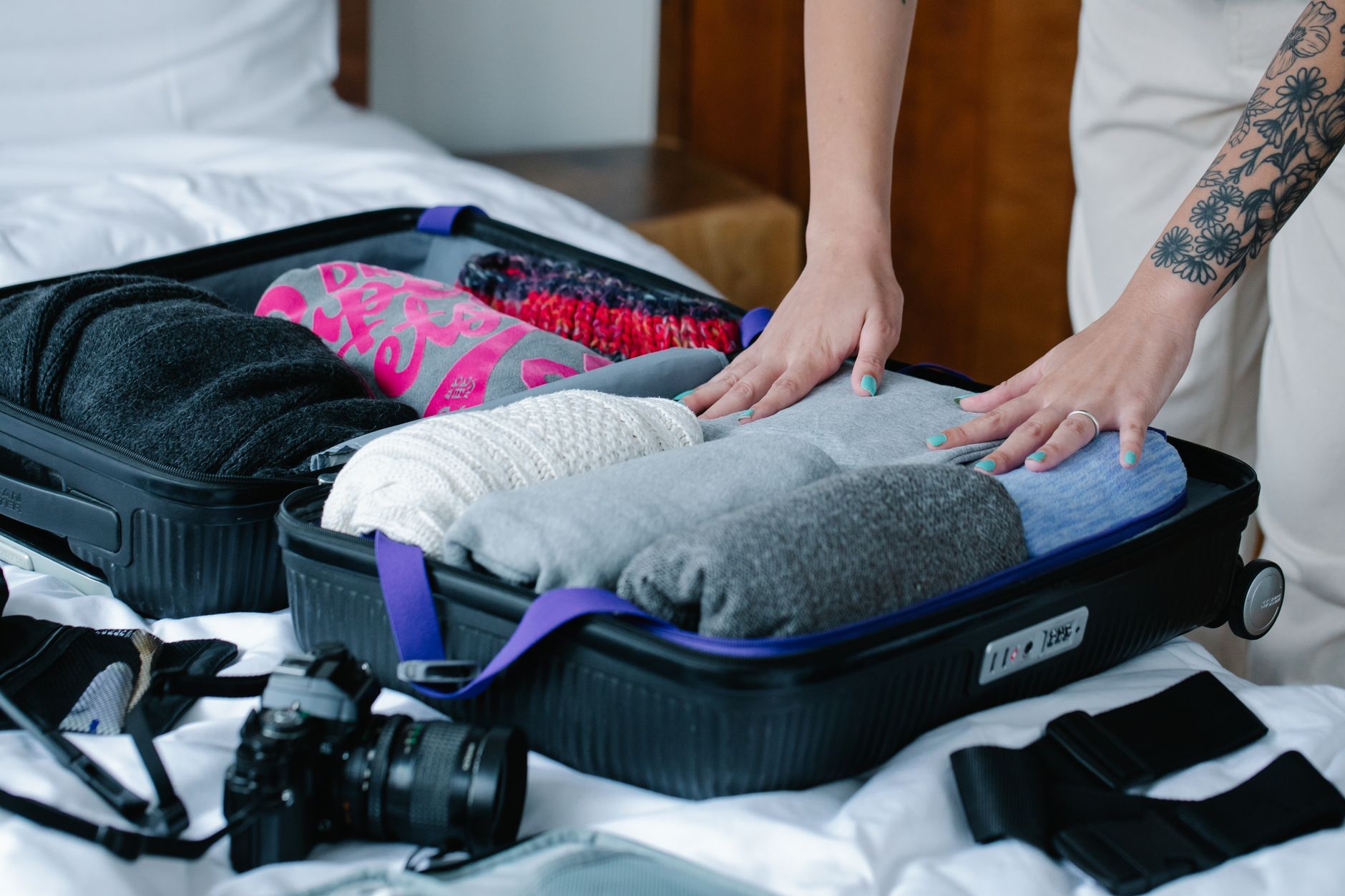
Why Silk Belongs in Your Carry-On (And Which Weaves Actually Survive)
Not all silk travels well. We examine the weaves that withstand wrinkles, the care rituals that matter, and why discerning travelers still choose it over synthetics.
The Silk Paradox: Fragile Reputation, Surprising Resilience
Silk has a perception problem. Mention packing a silk blouse for a fortnight in Puglia and you'll hear warnings about creasing, staining, and hand-washing in hotel sinks. Yet walk through any first-class lounge and you'll spot an inordinate number of silk scarves, charmeuse slips under tailoring, and crêpe de chine shirts that have clearly survived multiple time zones. The truth is that silk travel clothing performs beautifully when you understand which weaves to choose and which to leave at home.
The secret lies in structure. A tightly woven silk twill or a substantial crêpe will outlast a loose-weave habotai every time. Loro Piana's silk and linen blends, for instance, use a tight plain weave that resists wrinkles far better than the gossamer silk camis that crumple if you look at them sideways. Meanwhile, Hermès has built an empire on silk twill scarves that emerge from luggage looking deliberately rumpled rather than ruined—a distinction worth understanding.
Which Silk Weaves Actually Work in a Suitcase
Not all silks are created equal when it comes to travel. Here's what holds up:
- Silk twill: The diagonal weave creates natural elasticity and bounce-back. Think classic Hermès carrés or shirt dresses that shake out wrinkles.
- Crêpe de chine: The pebbled surface disguises creases and has enough body to skim rather than cling. Ideal for trousers and unstructured blouses.
- Silk noil: Often called "raw silk," this nubby weave is the workhorse of the silk family. It wrinkles less dramatically and reads more casual.
- Dupioni: The slubbed texture hides imperfections beautifully, though it's stiffer and better suited to structured pieces.
- Charmeuse (use sparingly): That liquid drape comes at a cost—it shows every fold. Reserve it for slip dresses you'll hang immediately or wear on the plane.
For silk travel clothing that genuinely earns its luggage space, look for weights above 16 momme (the unit measuring silk density). Anything lighter is a gamble unless you're packing it in tissue and carrying it on.
The Care Reality: Less Fussy Than You Think
The hand-washing mythology around silk is partly perpetuated by care labels written by overly cautious legal departments. In practice, most silk travel clothing can handle more than you'd expect.
On the road, a quick rinse with baby shampoo or dedicated silk wash works for scarves and lightweight pieces. The key is cool water, no wringing, and rolling in a towel to remove excess moisture. Hang to dry away from direct sun. For shirts and trousers, many seasoned travelers simply steam them in a bathroom while showering—the humidity releases wrinkles without risking water spots.
At home, plenty of silk can go in a mesh bag on delicate cycle, despite what the label insists. (Though perhaps test this theory on a piece you're not precious about first.) Dry cleaning is reliable but unnecessary for most silk travel clothing between trips—over-cleaning actually degrades the fiber faster than occasional wear.
What silk genuinely dislikes: deodorant (the aluminum stains), perfume applied directly to fabric, and aggressive heat. A steamer is your friend; an iron set to "cotton" is your enemy.
Why Luxury Travelers Choose It Anyway
Synthetic "silk-like" fabrics have improved dramatically—some polyester crêpes are nearly indistinguishable by sight. So why do those who can afford any option still reach for actual silk?
Thermoregulation. Silk is a protein fiber that adapts to your body temperature, keeping you cool in Marrakech and surprisingly warm on an over-air-conditioned flight. No synthetic replicates this properly.
Longevity. A well-made silk shirt from The Row or Brunello Cucinelli will outlast a dozen polyester versions, developing a subtle patina rather than looking tired. The environmental calculus matters to a certain type of traveler.
Sensory experience. This is the unspoken part—silk simply feels extraordinary against skin, particularly in climates where you're wearing less. That sensory luxury is precisely what separates a trip from a journey.
The learning curve with silk travel clothing is real but short. Pack it once badly and you'll learn. Pack it twice with attention and you'll understand why it remains the fabric of choice for those who take both craft and comfort seriously.
The Verdict
Silk earns its place in a travel wardrobe not despite its requirements but because of what it offers in return: a fabric that breathes, that ages gracefully, that feels like a small daily luxury. Choose the right weaves, learn the simple care rituals, and suddenly that "high-maintenance" reputation reveals itself as mostly myth. Just perhaps skip the ivory charmeuse for the actual journey.