The Art of Breaking In Designer Heels Without the Pain
From leather stretch spray to strategic sock work, the proven techniques that soften stiff uppers without compromising construction or finish.
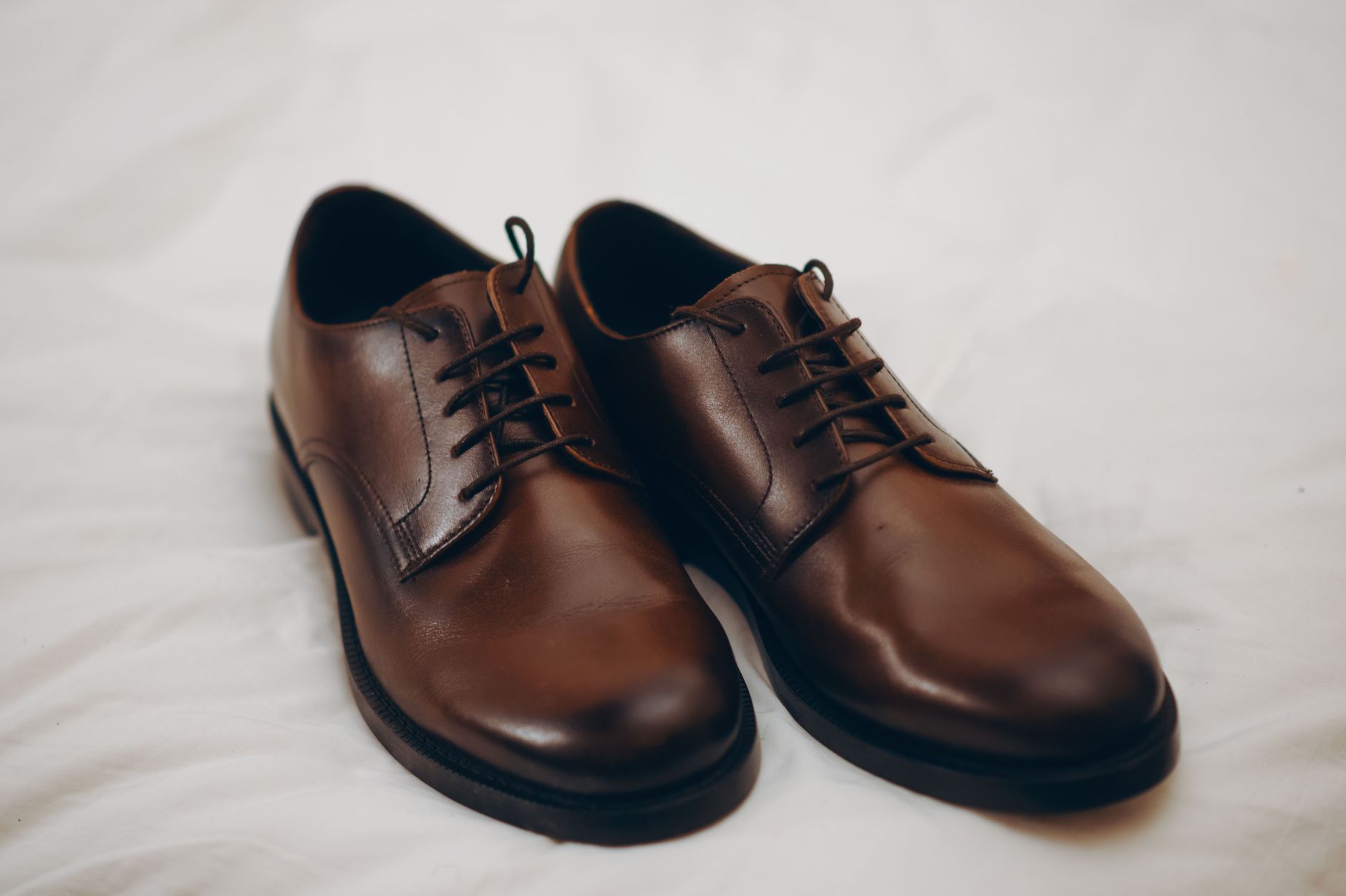
The Reality of New Luxury Footwear
That first outing in unworn Manolo Blahniks or Gianvito Rossi pumps can feel less like a debut and more like a medieval punishment. Stiff leather, unyielding toplines, rigid soles: the price of pristine construction is often a few bloody ankles. But breaking in designer heels doesn't require martyrdom or Band-Aids if you approach it methodically.
Pre-Wear Prep: Softening Before the First Step
The goal here is to relax the leather without saturating or staining it. Leather stretch spray is your most reliable ally. Apply it to problem zones (the vamp, the heel counter, anywhere that feels unforgiving) and wear the shoes around the house for 20-minute intervals with thick socks. Yes, it looks absurd. Yes, it works.
A few specifics worth noting:
- For patent leather or exotic skins, skip the spray entirely. These finishes don't respond well to moisture-based treatments, and you risk clouding or cracking the surface. Instead, use a shoe stretcher with adjustable bunion plugs overnight.
- Suede and nubuck can handle a light misting of dedicated suede conditioner, but test on an inconspicuous spot first.
- Satin and grosgrain (common on evening styles from Aquazzura or Amina Muaddi) should never be sprayed. For these, focus on sole flexibility and insole cushioning rather than upper manipulation.
Another pre-emptive measure: take your new heels to a trusted cobbler before wearing them out. A half-sole protector in rubber not only preserves the leather sole but also adds a whisper of shock absorption. It's a small intervention that extends both comfort and lifespan.
The Sock-and-Blow-Dryer Method (When You're Short on Time)
This technique circulates endlessly on the internet for good reason: it genuinely works for smooth calfskin and works quickly. Put on your thickest socks, squeeze into the heels, and apply a blow-dryer on medium heat to tight spots for 20 to 30 seconds at a time. Flex your feet as the leather warms. The heat makes the material pliable; your foot shapes it.
Two caveats. First, keep the dryer moving and never hold it closer than six inches. Overheating can dry out leather or, worse, compromise any adhesive in the shoe's construction. Second, this method is not appropriate for shoes with delicate embellishments, metallic finishes, or structured details that could warp under heat.
Once the shoes cool (while still on your feet), remove them and assess. You'll likely need two or three rounds to break in designer heels fully, but the difference after even one session is notable.
Strategic Layering: Insoles, Pads, and Targeted Cushioning
Sometimes the issue isn't the upper at all but rather the footbed or the angle of the shoe. A new pair of Prada slingbacks might fit perfectly in length but feel punishing across the ball of the foot after an hour. This is where strategic padding makes the difference.
Gel metatarsal pads redistribute pressure and prevent that forward slide that turns toes into claws. Heel grips in thin leather or suede keep your foot from lifting and rubbing against the topline. If you're dealing with a particularly steep pitch (anything above 100mm), a cushioned insole designed for heels can make hours of wear feel almost reasonable.
The trick is subtlety. Too much padding and you've altered the fit entirely, creating new pressure points or making the shoe feel sloppy. Start minimal, add as needed.
The Long Game: Wear Them in Intervals
No amount of prep substitutes for actually wearing the shoes. But you needn't suffer through an entire evening on the first go. Wear your new heels for an hour at home, then switch them out. The next day, try 90 minutes. Leather has memory; it will gradually conform to your foot's shape and movement.
This is especially true for shoes with structured heel counters or closed toes in rigid leather, both common in classic styles from houses like Saint Laurent or The Row. These designs are engineered for longevity, which means they resist quick break-ins. Patience, here, is not optional.
A Final Word on Knowing When to Stop
If a shoe still feels wrong after a week of targeted break-in efforts, it may simply be the wrong shoe. Not every last fits every foot, and some constructions are inherently unforgiving. A beautiful object that injures you is not worth keeping, no matter the name on the insole.


