The Slingback Heel: How a 1940s Staple Became Fashion's Smartest Shoe
From Chanel's two-tone classic to Prada's contemporary riff, the slingback remains the thinking woman's answer to polish without trying too hard.
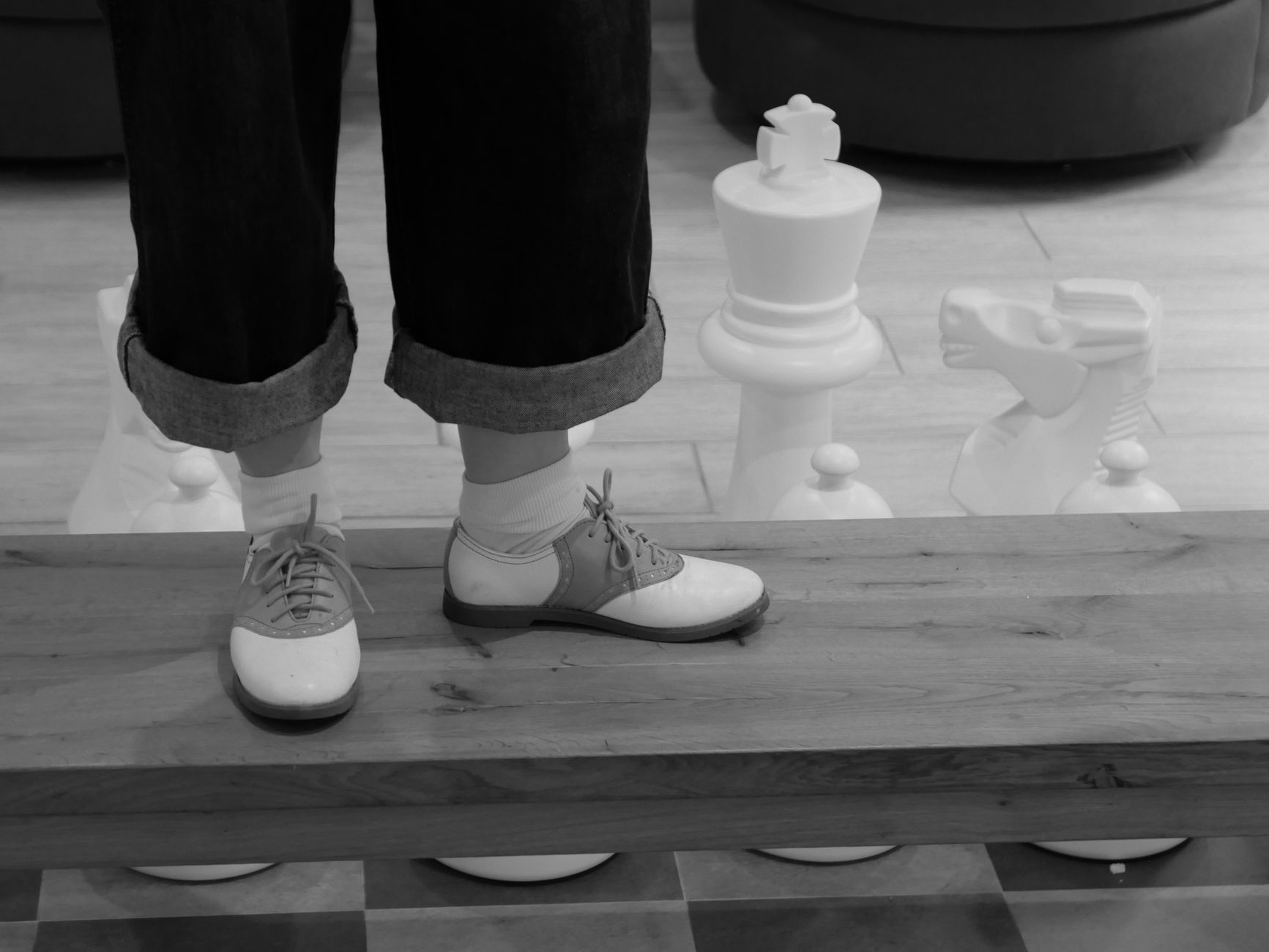
The Strap That Refuses to Disappear
The slingback heel has outlasted nearly every other shoe silhouette of the last century, and there's a reason: it offers the polish of a pump with just enough ease to feel modern. That single strap across the heel transforms formality into something altogether more relaxed, more French, more worn.
A Brief History: From Utility to Icon
The slingback emerged in the 1940s as a practical solution during wartime fabric rationing. Less material, same elegance. What began as necessity quickly became signature, particularly as postwar designers recognized the style's ability to elongate the leg while maintaining comfort. By the 1950s, the slingback heel had secured its place in the canon, thanks in no small part to Coco Chanel's 1957 two-tone iteration. That beige body with black toe cap wasn't just clever colour-blocking; it was biomechanical genius, visually shortening the foot while lengthening the leg.
The silhouette enjoyed a particular moment in the 1990s, when minimalism made room for these quietly architectural shapes. Designers like Prada and Jil Sander stripped the slingback down to its essential geometry: a low vamp, a slim strap, a kitten or block heel. The result felt cerebral rather than overtly feminine, intellectual rather than decorative.
Why the Slingback Works Now
Today's version threads a needle between retro reference and contemporary ease. The slingback heel reads as considered without costume, polished without performance. It's the shoe equivalent of a good trench: timeless structure with enough flexibility to absorb current mood.
Several factors explain its current relevance:
- Comfort without compromise: The open heel offers better ventilation and flexibility than a closed pump, making it genuinely wearable for more than two hours
- Versatility across hemlines: Works equally well with cropped trousers, midi skirts, and full-length denim
- Visual lightness: The negative space created by the slingback strap keeps the shoe from feeling heavy, even in substantial materials
- Ease of wear: Slides on like a mule but stays put like a pump
Contemporary designers have embraced the form with varying degrees of restraint. Chanel continues to produce its founding archetype in dozens of seasonal materials, from quilted leather to tweed, though the original smooth calfskin remains the most enduring. The Row offers a pared-back interpretation in supple nappa with a sculptural block heel that feels more installation than accessory. Meanwhile, Prada has revisited the slingback repeatedly over the past few seasons, experimenting with proportions: exaggerated square toes, razor-thin kitten heels, unexpected fabric combinations.
What unites these interpretations is restraint. The best slingback heels don't announce themselves. They provide structure and finish without demanding attention, which is precisely why they photograph so well in street style images. They're the shoe in the frame, not the subject of it.
How to Actually Wear Them
The slingback's sweet spot sits somewhere between casual and formal, which makes it trickier to style than its ubiquity might suggest. It doesn't quite work with athletic leisure (the strap fights against sporty ease), nor does it feel entirely at home in black-tie territory (too daytime, too practical).
Where it excels: workwear that's evolved beyond the corporate uniform, weekend dressing that requires a degree of finish, travel outfits that need to move between contexts. Think tailored trousers and a knit, a shirt dress, cropped denim with a blazer. The slingback heel provides the full stop that pulls these combinations into focus without overdoing it.
Heel height matters more than you'd think. A kitten heel (roughly 4-5cm) skews retro and works best with vintage-inflected silhouettes: pencil skirts, cropped cardigans, anything vaguely 1950s. A block heel (5-7cm) feels more contemporary and handles texture better—try it with heavier fabrics like denim or wool. Anything higher risks veering into occasion territory, where a proper pump would likely serve better.
Colour-wise, the two-tone Chanel formula still holds: a nude or neutral body with contrasting toe cap creates the most flattering proportion. All-over black or brown reads more severe, more office, though that can be exactly right depending on context.
The Long View
Fashion's current appetite for archival shapes and pre-trend dressing has created ideal conditions for the slingback's resurgence. It's a shoe with provenance, with history, with a clear point of view. In a landscape saturated with logo sneakers and fashion trainers, the slingback offers something increasingly rare: quiet authority.
That single strap isn't going anywhere.


